FG Targets N1.38 Trillion Pension Spending in 2026 Budget Proposal
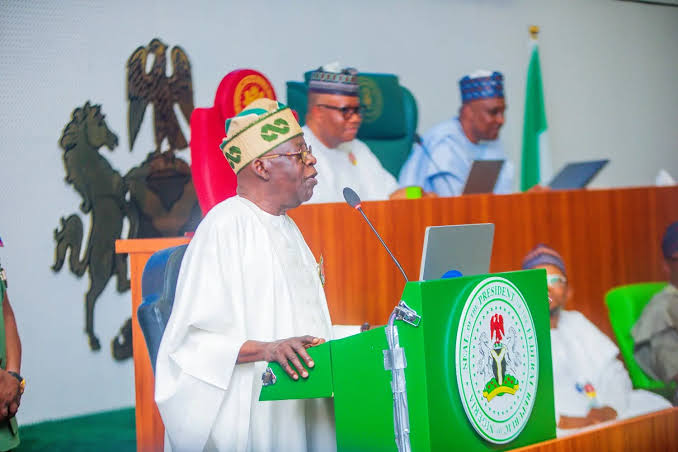

The Federal Government of Nigeria has proposed a substantial N1.376 trillion (about N1.38 trillion) allocation for pensions, gratuities, and retirees’ benefits in the 2026 Appropriation Bill currently before the National Assembly. This provision underscores the government’s intention to maintain pension commitments amid broader fiscal pressures and competing budget priorities.
Breakdown of the Pension Allocation
- Military Pensions and Gratuities – The largest single component, accounting for approximately N486 billion.
- Pension Transitional Arrangement Directorate (PTAD) – Allocated about N285.6 billion, supporting pension administration and payments under the Defined Benefit Scheme (DBS).
- Office of the Head of Civil Service (Civilian Pension) – Set aside N94.5 billion for civilian retirees.
- Parastatal and Railway Pensions – Estimated at N194.7 billion, reflecting legacy obligations across various parastatal bodies.
Other components include Police pensions, Customs, Immigration and Prisons Pension Office, National Intelligence and Defence Agencies, and University pension funds.
Context Within the 2026 Federal Budget
The pension provision forms part of a much larger national budget framework. According to the Medium Term Expenditure Framework underpinning the 2026 appropriation, total federal expenditure is projected at around N54.4 trillion, with pensions and gratuities reflecting a key non-debt component alongside personnel costs and statutory transfers.
While N1.38 trillion may appear significant in isolation, it represents only a small share of total recurrent and personnel expenses, especially when federal debt servicing and other statutory costs absorb substantial parts of the budget.
Fiscal and Economic Considerations
Nigeria’s pension obligations are increasingly influenced by demographic shifts, longer retirements, and the rise in public wage benchmarks. Recent policy changes — including a new minimum wage of N70,000 — have ripple effects that elevate personnel and pension costs in future budgets.
Separately, pension administration continues to evolve. Initiatives like PenCom’s Pension Boost 1.0 aim to raise monthly payouts for retirees, increase transparency, and ensure steady disbursements as the sector grows its asset base.
Challenges and Outlook
Despite the proposed allocation, there remains pressure on fiscal space. Nigeria continues to grapple with wide fiscal deficits and competing development priorities, necessitating careful balancing in budget negotiations. The federal pension budget must therefore align with broader sustainability goals, including debt management, revenue enhancement, and economic growth strategies.
Moreover, retirees and pension advocacy groups have occasionally expressed frustration over delays in the implementation of approved pension increments and arrears — a reminder that allocation in the budget is just one step in meeting retirement income security for millions of Nigerians.
Conclusion
The N1.38 trillion pension provision in the Federal Government’s 2026 budget proposal reflects both Nigeria’s commitment to its retirees and the fiscal complexities facing policymakers. As budget deliberations progress, analysts will be watching closely how this allocation interacts with broader economic objectives, revenue realities, and long-term sustainability in public finance.










Comments