
Investor Confidence Returns as Nigeria’s Oil Sector Draws $16bn After PIA
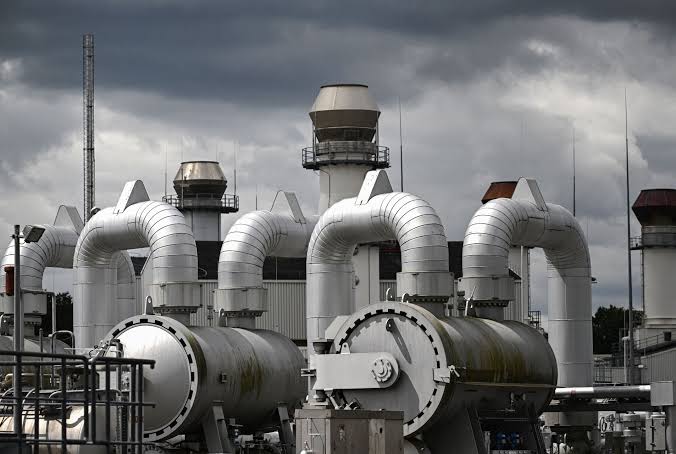

For years, Nigeria’s oil sector felt stuck falling production, investors sitting on the fence, and the same old conversations about reforms that never seemed to land. But lately, the mood has started to change. Quietly, and without too much noise, over $16 billion has flowed into Nigeria’s oil and gas sector since the Petroleum Industry Act (PIA) began to take effect.
Why the PIA Is Changing the Conversation
One of the biggest complaints investors had in the past was uncertainty. Rules kept changing, approvals dragged on, and no one was fully sure who regulated what. The PIA didn’t solve everything overnight, but it made the rules clearer and the playing field more predictable.
That clarity is a big reason capital is returning. When investors know how royalties work, how disputes are handled, and what taxes look like years down the line, planning becomes easier. And in oil and gas, planning is everything.
Where Smart Investment Is Heading
Most of the post-PIA money is going into upstream assets — drilling, field development, and production optimisation. Licensing rounds and asset sales are now more transparent, giving both foreign and indigenous companies a clearer shot at viable blocks.
But this is not just about buying oil fields. Investors are increasingly looking at underdeveloped assets that can be revived with better technology and tighter management. These projects may not grab headlines, but they often offer better value than chasing new discoveries.
For investors, the lesson is to look beyond big names and focus on efficiency-driven projects that can scale gradually.
Beyond crude oil, investors are increasingly looking at natural gas and downstream integration. Gas development is gaining traction as Nigeria seeks to strengthen domestic energy supply, expand LNG exports, and support industrial growth. At the same time, improving refining capacity is reducing reliance on imported petroleum products, opening new opportunities across the midstream and downstream segments.
Environmental, social, and governance considerations are also playing a growing role in investment decisions. Reduced gas flaring, improved host-community relations, and stronger governance frameworks are now central to capital allocation, particularly for international investors with sustainability mandates.
Overall, the $16 billion recorded under the post-PIA framework points to a cautious but meaningful recovery in Nigeria’s oil and gas sector. While production challenges persist, the return of long-term capital suggests that the industry is entering a more stable and disciplined phase.
Market analysts agree that sustaining this momentum will depend on consistent policy implementation, improved security, and continued regulatory credibility. If these conditions are maintained, Nigeria’s oil sector could gradually rebuild output, revenue, and investor confidence over the coming years.











Comments