
Dollar to Naira Exchange Rate Today, January 20, 2026: Official and Black Market Rates
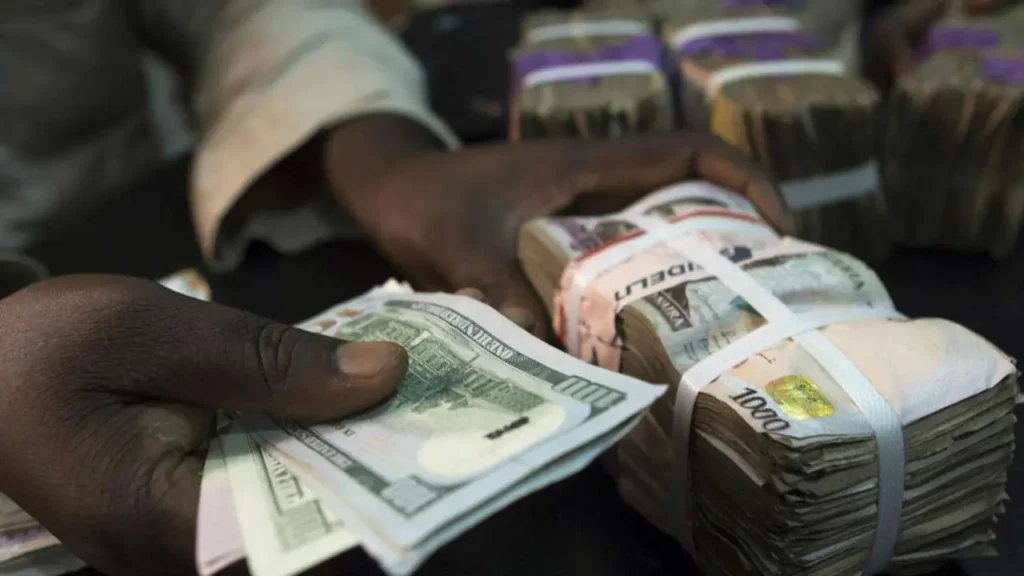

As Nigerians begin trading across foreign exchange markets today, Tuesday, January 20, 2026, the U.S. Dollar (USD) continues to exert pressure on the Nigerian Naira (NGN) but signs of market stability are emerging after months of volatility.
Official Market (CBN/NFEM) Rates
In the official Nigerian Foreign Exchange Market (NFEM), the Naira opened trading at about ₦1,419 per USD. By mid-morning, the local currency showed a slight uptick, trading around ₦1,417.50 to $1, a modest appreciation compared with earlier quotes.
Financial analysts say this reflects “a period of relative calm” in official forex windows a contrast to the steep swings seen in previous quarters. Improved transparency in the management of external debt and heightened liquidity from strategic interventions have helped temper intense pressure on the Naira.
According to fx-rate.net pricing data, one U.S. dollar exchanges for roughly ₦1,417.5 to ₦1,420 today on the interbank segment.
Parallel Black Market Trend
where many retail buyers and small businesses access dollars, the rate remains significantly higher. Traders in Lagos and Abuja quote:
- Buying: ~₦1,465 per USD
- Selling: ~₦1,498 per USD
This persistent premium highlights ongoing differences in supply and demand across official and informal channels.
What Experts Are Saying
Market watchers tell Nigerian Bulletin that the relatively narrow official-parallel spread and controlled intraday swings suggest a maturing market response to forex reforms. A senior FX strategist commented:
“The current positioning reflects cautious optimism,” noting that “improved liquidity and clarity from policymakers are preventing sharp depreciations that defined much of 2023-24.”
Yet, some analysts caution that persistent demand for U.S. dollars — particularly for imports, travel, and education — could keep the Naira under pressure if official inflows slow. Continuous monitoring of crude oil earnings and diaspora remittances will be key to maintaining balance.
What This Means for Nigerians
Importers & Traders: Higher parallel market rates mean import costs remain elevated a pressure passed on to local prices.
- Consumers: Cost of goods priced in USD (electronics, tech, tuition) is likely to stay elevated until supply tightens.
- Investors: Stability in official windows can boost confidence for foreign portfolio flows if structural reforms continue.
In summary: On January 20, 2026, the Naira is holding ground at around ₦1,417–₦1,420 to the USD in official markets, with even stronger levels in the parallel segment. While the gap remains, improved economic fundamentals and policy direction are shaping a more stable currency outlook an encouraging sign for Nigeria’s forex landscape.









Comments