
Nigeria’s Fuel Subsidy Savings Wiped Out by Rising Debt Servicing – CFG Advisory Warns
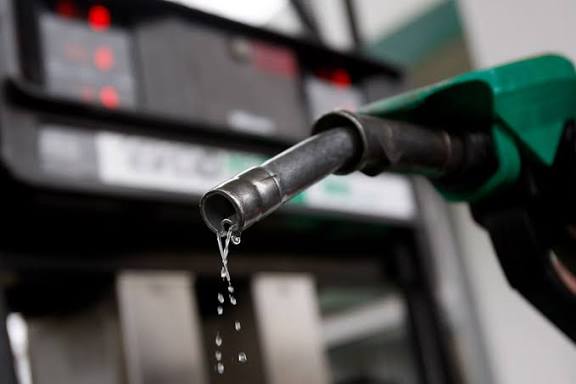

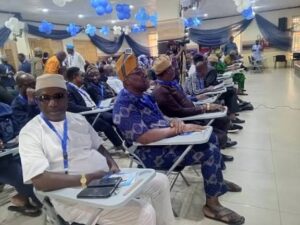
At a recent economic outlook forum organized by the Finance Correspondents Association of Nigeria (FICAN), CFG Advisory delivered a blunt warning: the expected fiscal windfall from fuel subsidy removal has largely disappeared absorbed instead by rising debt-servicing costs.
Nigeria’s debt burden has ballooned to more than $100 billion, while government debt service is projected at about ₦15.52 trillion in the 2026 budget. Shockingly, that figure exceeds the combined spending on security, defence, education, and health sectors essential for stability and human capital development.
What does this mean in practical terms? The savings that were supposed to fund roads, schools, hospitals, and targeted social support are instead being used just to pay off interest and principal on government borrowings. CFG says this has neutralized the fiscal relief expected from subsidy removal, leaving little room to shape a growth-oriented agenda.
Structural Challenges: More Than Just Subsidy Savings
CFG Advisory’s critique points to deeper structural issues:
Persistent Budget Deficits: Revenue collection has lagged expectations, even as expenditures expand — a dynamic that fuels recurrent borrowing.
Debt Servicing Dominates: In some analyses, up to 60% of government revenues are being used just to pay debt obligations.
Capital Budget Starved: Investment in growth drivers is being crowded out by recurrent spending and interest payments.
What CFG Says Should Be Done
Rather than waiting for the next crisis, CFG Advisory proposes bold moves:
Asset Sales & Privatization: Selling down stakes in government assets to raise up to $50 billion could provide breathing room and reduce debt.
Downward Budget Review: Recalibrating the 2026 budget to reflect realistic revenues and spending priorities.
Policy Coordination: Strong alignment across fiscal, monetary, trade, and industrial policies to boost productivity-led growth.
A Growth Outlook — But Not Yet Inclusive
Despite these headwinds, CFG’s forecast isn’t all doom and gloom. They still project around 5% GDP growth for 2026, single-digit inflation, and relative foreign exchange stability — improvements that signal reform traction. But growth at this rate falls short of the 8–10% needed to meaningfully reduce poverty and expand opportunities for millions of Nigerians.
Bottom line: Nigeria’s experience so far shows a cautionary tale: structural reforms like fuel subsidy removal are necessary but not sufficient on their own. Without strong revenue mobilization, disciplined spending, and strategic investment, even big fiscal gains can be swallowed by mounting debt. As policymakers navigate the year ahead — with elections and external pressures on the horizon — the challenge will be turning reforms into inclusive prosperity,



Comments