Nigeria’s Capital Budget Execution Hits 85% After 2024 Fiscal Extension
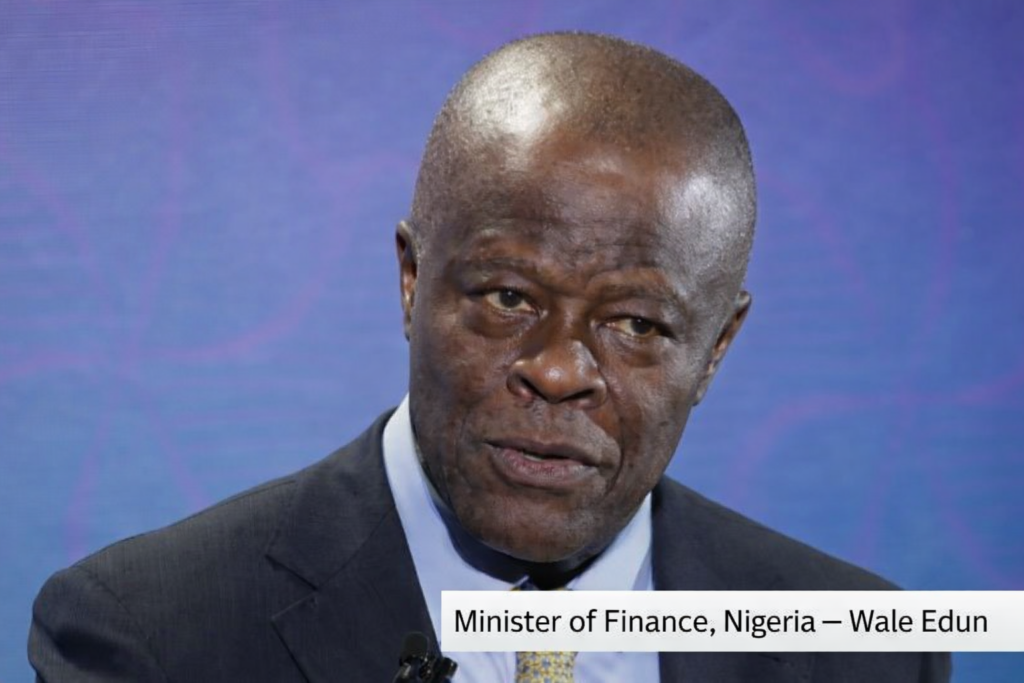

Nigeria recorded a significant improvement in capital budget implementation after extending the 2024 fiscal year, with 85 per cent of approved capital expenditure executed, according to the Minister of Finance and Coordinating Minister of the Economy, Wale Edun.
Edun disclosed this while speaking on the federal government’s fiscal performance, noting that the budget extension played a critical role in allowing ministries, departments, and agencies (MDAs) to complete ongoing infrastructure and development projects that would otherwise have been left unfinished.
What the Numbers Say
- Capital Budget Execution: 85 % of the 2024 capital budget was executed by the end of the extended period.
- Value of Projects Completed: Aggregate capital expenditure in 2024 totalled around ₦11.1 trillion, reflecting the heavy focus on completing ongoing initiatives.
This strong performance is notable given Nigeria’s lingering revenue shortfalls and macroeconomic pressures, especially in the oil and gas sector, which have constrained fiscal space.
Edun noted that the impact of capital spending goes beyond infrastructure, highlighting its role in easing food supply constraints, improving electricity availability, expanding access to credit, and strengthening the mortgage market. These outcomes, he said, are central to the government’s broader economic reform agenda.
Looking ahead, the finance minister indicated that capital spending in subsequent budgets may be more restrained, as the government consolidates completed projects and focuses on fiscal sustainability.
The development comes as the federal government positions future budgets as tools for consolidation, resilience, and shared prosperity, with a stronger emphasis on translating fiscal discipline into inclusive economic growth.








Comments