
CBN Reports Increase in Nigeria’s Money Supply to ₦124.4 Trillion
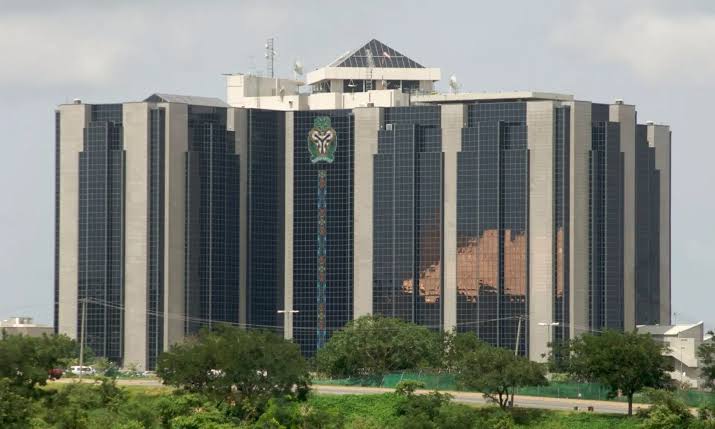

Nigeria’s broad money supply (M3) expanded to ₦124.4 trillion in December 2025, according to the latest Money and Credit Statistics released by the Central Bank of Nigeria (CBN). The figure represents a 1.2% month-on-month growth from ₦122.9 trillion recorded in November 2025, signaling continued liquidity build-up in the Nigerian financial system.
Narrow Money (M1)
Grew by 4.05% MoM, rising to ₦42.14 trillion in December from ₦40.5 trillion in November.
Demand Deposits
Increased by 3.08% MoM to ₦36.7 trillion, indicating higher transactional balances held by businesses and households.
Currency Outside Banks (COB)
Expanded 10.2% MoM to ₦5.4 trillion, suggesting a pickup in cash usage alongside digital and bank transactions.
Quasi-Money
Slightly declined by 0.18% MoM to ₦82.25 trillion, reflecting modest retrenchment in time and savings deposits.
Credit Growth Fuels Liquidity
The rise in money supply is underscored by increased credit flows within the economy:
- Credit to Government: Leapt by 29.5% MoM to ₦34.2 trillion, suggesting elevated government borrowing from the banking system.
- Credit to Private Sector: Edged up 1.6% MoM to ₦75.8 trillion, indicating modest growth in lending to businesses and households.
Growth in government credit typically stems from financing fiscal operations or debt rollover, while private sector credit expansion though more gradual supports productive investment and consumption.
Policy Context and Implications
The CBN’s Monetary Policy Committee (MPC) maintained a cautious policy stance during the latter part of 2025. After a 50-basis-point cut in the Monetary Policy Rate (MPR) in September, the rate was held at 27% through November, balancing support for economic activity against inflationary risks.
The continued growth in money supply amid a stable MPR suggests that:
- The banking sector has ample liquidity, supporting lending and investment.
- There is potential inflationary pressure if growth in money supply outpaces real output.
- The central bank must carefully calibrate policy to sustain economic growth without undermining price stability.
For policymakers, the challenge remains striking the right balance between supporting recovery and anchoring inflation expectations a pivotal consideration as the Nigerian economy navigates both domestic and global headwinds heading into 2026.










Comments