
Pound-naira rate stable despite parallel market premium
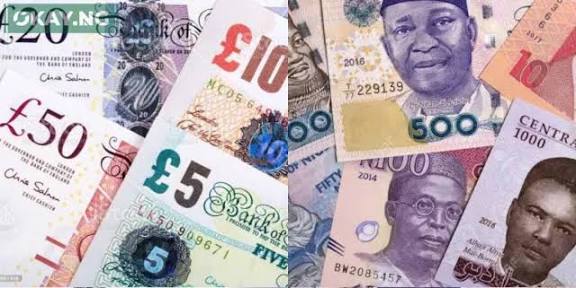

The British pound traded relatively steady against the naira on Monday, January 26, 2026, reflecting ongoing adjustments in Nigeria’s foreign exchange market as demand pressures continue to shape pricing across official and informal channels.
In the official market, the pound exchanged at around ₦1,920 to ₦1,930, according to market data, maintaining levels seen over the past few trading sessions. The performance suggests a period of short-term stability for the naira, supported by improved forex liquidity and sustained interventions by the Central Bank of Nigeria aimed at moderating volatility.
However, the situation remains different in the parallel market, where the pound continued to attract a premium amid strong demand from importers, students paying overseas tuition, and Nigerians funding travel and business expenses abroad. In major commercial centres such as Lagos and Abuja, traders quoted rates above ₦2,000 to the pound, underscoring the persistent gap between official supply and real-sector demand.
Currency dealers say the divergence highlights structural challenges in the foreign exchange market, even as reforms introduced over the past year have helped reduce sharp price swings. While the naira has avoided the extreme volatility seen earlier, foreign currency demand particularly for the pound and the US dollar remains elevated due to import dependency and limited export diversification.
In addition, Market analysts note that movements in the pound-naira rate this month have largely mirrored broader macroeconomic conditions, including oil revenue inflows, investor sentiment, and global monetary trends. Developments in the UK economy, especially interest rate expectations and inflation outlook, also continue to influence the pound’s strength against emerging-market currencies.
For businesses with exposure to pound-denominated transactions, the current exchange rate offers a degree of predictability, though cost pressures persist for firms sourcing forex outside official channels. Individuals receiving remittances in pounds may benefit from the stronger valuation, while those seeking to purchase the currency continue to face higher costs in the informal market.
Looking ahead, analysts say sustained improvement in the pound-naira exchange rate will depend on Nigeria’s ability to boost foreign exchange inflows, strengthen confidence in the official market, and narrow the gap between official and parallel rates. Until then, the pound is expected to remain firm against the naira, with movements driven more by domestic supply dynamics than short-term speculative activity.












Comments