
Dollar to Naira Exchange Rate Holds Firm Today, January 27, 2026
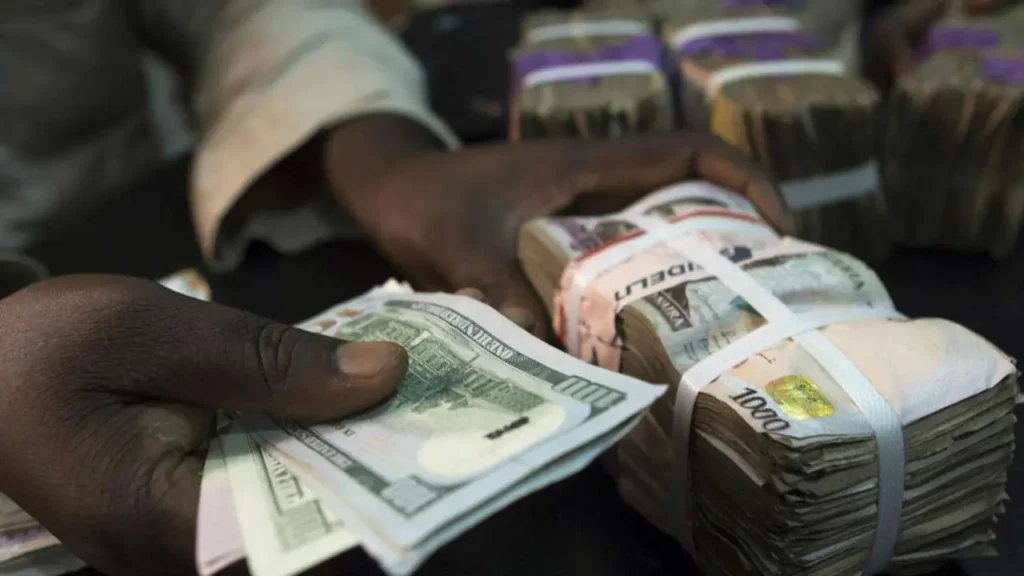

The Nigerian foreign exchange market opened on a relatively steady note on Tuesday, January 27, 2026, as the naira continued to show resilience against the United States dollar across both the official and parallel market segments.
At the official Nigerian Foreign Exchange Market (NFEM), the naira traded around ₦1,412 per dollar, reflecting a mild appreciation from the previous trading session. The performance points to improving confidence in the foreign exchange market, supported by sustained liquidity inflows and ongoing reforms by the Central Bank of Nigeria (CBN).
Market analysts attribute the naira’s stability at the official window to better price discovery, improved transparency, and consistent dollar supply to authorized dealers. These measures have helped reduce extreme volatility that characterized by the FX market in prior months, even as demand pressures remain.
In the parallel market, commonly referred to as the black market, the dollar exchanged between ₦1,475 and ₦1,485, depending on location and volume of transaction. While the street rate remains above the official quote, traders report calmer activity compared to earlier periods, with improved dollar availability easing demand-driven spikes.
The narrowing gap between the official and parallel market rates continues to signal progress toward exchange rate convergence, a key objective of Nigeria’s ongoing FX reforms. Increased inflows from diaspora remittances, export proceeds, and portfolio investments have contributed to better dollar circulation within the economy.
Nigeria’s external reserves, which recently climbed above $46 billion, have also played a critical role in strengthening market confidence. The healthier reserve position has enhanced the CBN’s ability to intervene strategically while allowing market forces to determine pricing more efficiently.
For businesses, importers, and individuals with dollar-denominated obligations, the relative calm in the FX market provides short-term predictability, though analysts caution that global economic conditions and domestic inflationary pressures remain important risk factors to watch.
Looking ahead, economists note that sustained stability will depend on continued fiscal discipline, steady oil revenue inflows, and the CBN’s commitment to market-driven policies. While challenges persist, the naira’s performance on January 27 reflects a market gradually adjusting to a more balanced and transparent foreign exchange regime.
Snapshot of Exchange Rates (January 27, 2026):
Official Market: ~₦1,412/$
Parallel Market: ₦1,475 – ₦1,485/$
Rates may vary slightly during the trading day based on demand and supply dynamics.












Comments