
Private Sector Credit at Risk as Nigeria Projects N20.12 Trillion Budget Shortfall
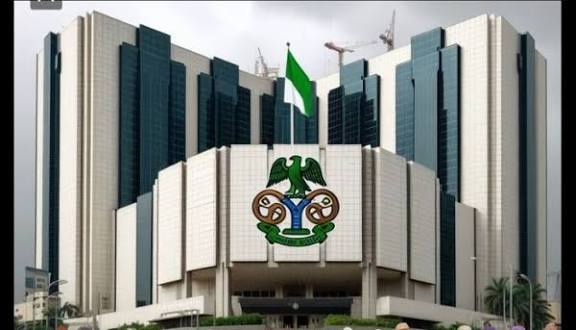

Nigeria’s 2026 budget deficit projected at ₦20.12 trillion has ignited fresh debate among economists and financial analysts about its potential impact on private sector credit availability. While the Federal Government looks to borrow heavily to fund public spending, experts caution that this could crowd out corporate and business borrowing, tighten liquidity, and drive up interest rates across the economy.
Heavy Reliance on Domestic Borrowing
Under the 2026–2028 Medium‑Term Expenditure Framework (MTEF), the government plans to fund ₦14.30 trillion roughly 71.1 percent of the total deficit through domestic borrowing including Treasury Bills and Federal Government bonds.
Analysts acknowledge that Nigeria’s capital markets may have the “technical capacity” to absorb this level of debt, but they warn it may come with significant strain on lenders and borrowers alike.
This Is Crowding Out Risk— Analysts Speak
Financial sector experts argue that government borrowing could absorb much of the limited credit resources in the local market, leaving private enterprises struggling to secure loans at reasonable costs.
As Mr. Blakey Ijezie, founder of Okwudili Ijezie & Co (Chartered Accountants), put it:
“The domestic market can absorb ₦14.30 trillion, but not without strain.”
Similarly, Mr. David Adonri, CEO of Highcap Securities, warned:
“This is crowding out risk corporations will raise funds at yields that outpace the government’s yield. Debt‑funded growth becomes extremely difficult in that environment.”
These comments highlight the growing competition between government and private borrowers for a limited pool of capital in the domestic financial markets.
Credit Conditions Already Tight for Businesses
Recent data shows that private sector credit in Nigeria has been under pressure. According to the latest figures from the Central Bank of Nigeria (CBN), credit to the private sector fell to ₦75.8 trillion in August 2025 from ₦76.12 trillion in June, marking a continued decline in business lending.
Economists attribute this trend partly to the Central Bank’s tight monetary policy, with the Monetary Policy Rate (MPR) around 27 per cent, which has made borrowing expensive and dampened demand for credit.
A Costly Shift in Financing Mix
Nigeria’s increased reliance on domestic borrowing reflects broader challenges in revenue generation and fiscal management. As external financing becomes more expensive and harder to secure, the government has leaned more on local markets.
Heavy government participation in local debt auctions tends to push yields higher, making government securities more attractive relative to corporate debt instruments such as commercial papers. This diminishes demand for private sector debt, forcing firms to offer higher rates to attract investors if they can access funding at all.
Potential Impact on Investment and Growth
Analysts warn that if the crowding‑out effect persists, it could undermine business expansion and broader economic growth. Higher borrowing costs and constrained credit availability may lead companies particularly small and medium enterprises (SMEs) to postpone investments or rely on internal financing, which many cannot afford.
Estimates suggest that corporate borrowing rates could climb to between 25 percent and 30 percent, particularly for riskier firms, if government borrowing dominates market demand.
Policy Options and Future Outlook
- Enhance revenue mobilisation to reduce reliance on debt financing.
- Diversify borrowing instruments, including longer‑term and non‑traditional debt like sukuk or diaspora bonds.
- Strengthen fiscal discipline to control deficits and reduce pressure on domestic markets.
While domestic financing may help cover the shortfall in the near term, analysts emphasize that balancing government borrowing with a thriving private credit market is crucial for sustaining Nigeria’s long‑term economic growth.












Comments