
Naira Surges to ₦1,400 as Global Dollar Weakness Boosts Nigeria’s FX Market
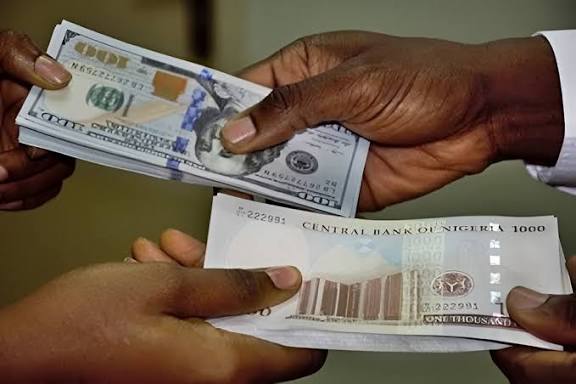

Nigeria’s currency, the naira, has strengthened significantly against the US dollar this week, with the exchange rate in the official foreign exchange market touching around ₦1,400.66 per US dollar, reflecting the strongest levels seen in recent sessions of trading. This shift follows a broad weakening of the US dollar on global markets and improved conditions in Nigeria’s FX market, highlighting a welcome departure from persistent depreciation trends that plagued the local currency over the past year.
Data released by the Central Bank of Nigeria (CBN) showed that the naira gained ground in official trading, with some foreign exchange market participants placing bids as high as ₦1,400 per dollar, a clear indication of improved demand–supply dynamics at the Nigerian Foreign Exchange Market (NFEM).
This performance came as the US dollar eased in response to global economic developments, creating an environment where emerging market currencies like the naira could strengthen.
Analysts and market observers point to several factors underpinning the naira’s better showing. Nigeria’s external reserves a critical buffer for the currency have continued on a steady upward trajectory, crossing over $46 billion, which has helped underpin confidence in the FX market and support the local unit.
Sustained inflows from exports, rising diaspora remittances, and improved investor sentiment have all contributed to broadening dollar supply, easing pressure on the naira.
The introduction and continued use of the Electronic Foreign Exchange Matching System (EFEMS) by the CBN has also played a critical role in enhancing transparency and price discovery in FX trading. Since EFEMS became fully operational, the market has seen better alignment of prices and reduced speculative distortions, factors that have helped the naira reclaim value against the dollar.
Despite this progress, the parallel (black) market continues to show divergence, with rates quoted higher than official figures. In recent trading, the naira in the parallel market closed relatively flat around ₦1,485 per dollar, indicating that while official trading reflects renewed confidence, informal market rates still mirror broader structural imbalances in dollar supply and demand.
These developments mark a notable shift from earlier episodes of volatility and depreciation, as seen in past months when the naira traded well above ₦1,450 per dollar and beyond.
Improvements in foreign exchange policy, stronger reserves, and supportive macroeconomic reforms have collectively helped reduce some of the currency’s vulnerability to external shocks. In October 2025, for example, the naira’s move into the ₦1,400 range was hailed as its strongest performance in months following continued FX market reforms.
Nevertheless, the recent move toward ₦1,400 per dollar represents a significant moment for Nigeria’s currency, reflecting a combination of external easing of the dollar and improving domestic FX market dynamics a development with positive implications for importers, businesses servicing foreign obligations, and the broader Nigerian economy.












Comments