
Conoil’s Earnings Hit Hard as Finance Costs Surge, Pretax Profit Falls 77%
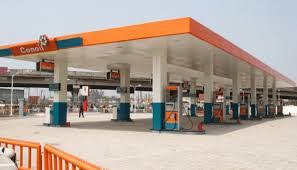

In a worrying performance for Nigeria’s downstream oil sector, Conoil Nigeria Plc has reported a massive 77.0 per cent drop in profit before tax (PBT) for its 2025 financial year, underscoring intensifying financial pressures on the company despite revenue and asset base expansion.
Earnings Take a Heavy Hit
According to the company’s unaudited financial statements for the year ended December 31, 2025, Conoil’s pretax profit slumped to ₦2.53 billion from ₦11.00 billion in the prior year. This sharp contraction reflects a combination of falling top-line revenue and sharply rising finance costs that eroded operating earnings.
Key year-on-year highlights include:
- Revenue: ₦301.72 billion, down 6.62 per cent.
- Gross Profit: ₦22.91 billion, a 13.06 per cent decline.
- Operating Profit: ₦12.90 billion, down 13.73 per cent.
- Finance Costs: ₦10.38 billion, up a staggering 162.46 per cent.
- Profit After Tax: ₦2.01 billion, down 77.10 per cent
- Earnings Per Share: 290 kobo, a 77.06 per cent decline.
What Drove the Profit Decline?
The profit slump is rooted in two major trends:
- Softer Revenue Environment: Conoil’s full-year revenue contracted as demand dynamics in Nigeria’s downstream market remained subdued, and competitive pressures intensified across petroleum products segments.
- Surge in Finance Costs: Borrowing costs skyrocketed, mainly driven by higher debt levels and an unfavourable interest rate environment. Conoil’s total borrowings jumped by nearly 89 per cent to ₦54.24 billion, significantly increasing interest obligations. These finance expenses effectively offset improvements in some operating expense lines and eroded the company’s bottom line.
Balance Sheet Shifts: Growth Amid Pressure
Despite disappointing earnings, Conoil’s balance sheet registered growth:
- Total assets rose 20.93 per cent to ₦139.01 billion.
- Total liabilities increased by 32.44 per cent to ₦99.94 billion.
- Shareholders’ equity dipped slightly to ₦39.07 billion.
The expansion in assets was largely driven by growth in trade receivables and higher cash and fixed assets, while the jump in liabilities highlights increasing leverage as the company accessed more debt to support operations and growth initiatives.
Investor sentiment has reflected the bleak earnings performance. Conoil’s share price has lagged the broader market in early 2026, trading flat to lower after starting the year on a weaker footing. Concerns about leverage and profitability have weighed on trading activity.
Outlook: Challenges and Strategic Imperatives
The stark decline in profit signals deeper challenges for Conoil and other downstream players in Nigeria’s petroleum sector:
- High cost of finance: Elevated interest rates and increased borrowing costs remain a significant headwind.
- Weak demand conditions: Softening sales volumes and competitive pricing pressures continue to pressurize margins.
- Debt management needs: The company must balance growth ambitions with sustainable leverage levels.
To rebound, Conoil may need to prioritize debt reduction strategies, cost optimization, and a sharper focus on higher-margin product lines. Strengthening operational efficiency and exploring avenues for non-debt financing could also be pivotal.











Comments