
CBN to Hold 304th Monetary Policy Committee Meeting on February
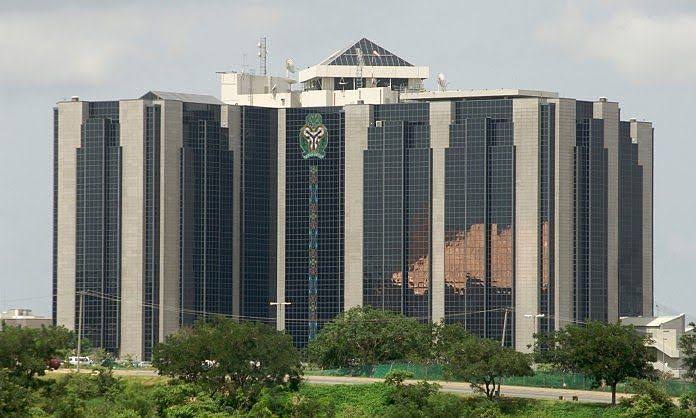

The Central Bank of Nigeria (CBN) has formally announced that its 304th Monetary Policy Committee (MPC) meeting will take place over two days Monday, February 23 and Tuesday, February 24, 2026. The apex bank disclosed the schedule in an official circular published on its website on Monday, setting the stage for the first major monetary policy review of the year.
The two-day session to be held at the MPC Meeting Room on the 11th floor of the CBN Head Office in Abuja marks a pivotal moment for policymakers, analysts, investors, and businesses following a period of sustained volatility in inflation and foreign exchange markets.
What the 304th MPC Meeting Means for Nigeria’s Economy
The Monetary Policy Committee is the apex bank’s highest decision-making body on monetary policy. Comprised of the CBN Governor, Deputy Governors, senior board members, and external experts, the MPC evaluates key economic indicators including inflation, GDP growth, exchange rate dynamics and liquidity trends — before taking decisions that shape Nigeria’s monetary stance.
Through instruments like the Monetary Policy Rate (MPR), Cash Reserve Ratio (CRR), and Liquidity Ratio (LR), the committee influences borrowing costs, credit access, and broader financial conditions across the Nigerian economy.
The CBN’s Recent Policy Path
The announcement comes on the heels of the 303rd MPC meeting held in November 2025, where policymakers retained the MPR at 27 percent, maintaining a restrictive monetary stance aimed at taming inflation and stabilizing the foreign exchange market. That decision followed a modest 50 basis point reduction from 27.5 percent at the preceding session in September 2025 signalling cautious easing amid early signs of inflation moderation.
At the same time, the committee has adjusted the asymmetric corridor around the policy rate and fine-tuned liquidity management tools to better respond to financial system conditions.
Why All Eyes Are on February’s Meeting
Inflation Trends
Recent data from the National Bureau of Statistics (NBS) show that Nigeria’s headline inflation eased considerably toward the end of 2025, with figures pointing to a moderation in price pressures.
Foreign Exchange and Macro Stability
Stabilizing the naira and smoothing volatility in the FX market remain central to the CBN’s strategy.
Market Expectations
Analysts and investors will be watching closely for any signals on future rate direction. While some market watchers anticipate a continued gradual easing if inflation continues on a downward trajectory, others caution that persistent global and domestic pressures including fiscal deficits and external shocks could compel the bank to maintain a tight stance.
What Comes Next
The outcomes of the 304th MPC meeting will have immediate implications for interest rates, credit conditions, and investment sentiment in Nigeria. Financial markets typically react to guidance from the apex bank on policy direction, with implications for treasury bills, bonds, equities, and lending rates across the economy.
Economic stakeholders from commercial banks to corporate treasurers and foreign investors — will be parsing not just the headline MPR decision but also the committee’s forward guidance on inflation expectations, FX policy integration, and liquidity management frameworks.
For Nigeria’s policymakers, the February MPC session represents both a challenge and an opportunity to steer monetary policy towards sustainable macroeconomic stability while fostering an environment that supports economic growth.












Comments