
Global Cocoa Prices Fall Below $4,000 Per Ton Amid Supply Glut and Weak Demand
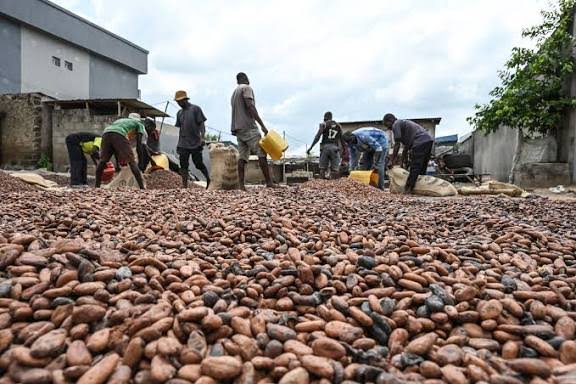

Cocoa prices have crashed below $4,000 per metric ton, marking one of the steepest declines in recent years as oversupply and weakening demand put intense pressure on the global cocoa market. International cocoa futures fell under the $4,000 level. extending the bearish trend that began in early 2026 and reversing the sharp gains from the 2024–25 period when prices exceeded record peaks above $12,000 per ton due to supply shortages and weather-related disruptions in West Africa.
The recent price collapse reflects a reassessment by traders and analysts that global cocoa supply has rebounded faster than expected while industrial demand, particularly in Europe and North America, remains subdued.
Improved weather conditions in major producing countries such as Côte d’Ivoire and Ghana have eased earlier fears of crop shortfalls, leading to increased harvests and port arrivals. As a result, expectations of oversupply have grown, overshadowing earlier concerns about deficits that drove cocoa to multi-year highs.
At the same time, data from the commodities markets show that cocoa has been under pressure throughout 2025, with prices dropping more than 30 percent from their record highs and continuing to slide into early 2026 as supply prospects improved and demand softened.
Analysts note that cocoa grindings a key indicator of industrial consumption have lagged behind previous forecasts, indicating weaker processing activity by chocolate manufacturers that has further weighed on prices.
The price plunge has real economic consequences for West African producers, especially Ghana, the world’s second-largest cocoa exporter. Thousands of Ghanaian cocoa farmers are reportedly struggling to receive payments months after delivering their beans, as international traders have been reluctant to purchase at the fixed, higher farm gate prices set by the Ghana Cocoa Board while global market prices have fallen.
This mismatch has left large volumes of cocoa unsold at ports, increasing the risk of quality deterioration and creating a cash flow crisis for Licensed Buying Companies and growers alike.
The situation has prompted emergency government-level discussions in Accra to address the fallout from the price crash and explore options for stabilizing the sector. Falling cocoa prices are a stark reminder of how commodity-dependent economies in Africa remain highly exposed to global market swings, with sharp price movements capable of rapidly eroding export revenues and rural livelihoods built around cocoa farming.
For Nigeria, which ranks among the world’s top cocoa producers, the current downturn underscores long-standing structural challenges in the sector. While the country has previously benefited from surging export volumes and higher prices, particularly during the 2023–24 season, low levels of domestic processing capacity have limited the ability of local businesses to capture higher value from cocoa exports.
Most processing facilities in Nigeria have historically operated well below capacity, making the agribusiness more vulnerable to raw bean price volatility.
Commodity analysts warn that the cocoa market’s current retreat could persist as long as supply remains strong and industrial demand does not rebound sharply. Forecasts of a global cocoa surplus in 2025/2026 driven by higher output and improved stocks continue to anchor bearish sentiment among traders.
However, risks such as climate variability, plant diseases, logistical bottlenecks and evolving trade policies mean that prices could remain volatile, with rapid reversals possible if production conditions change unexpectedly.
The latest cocoa price slide highlights how global agricultural commodities remain sensitive to shifts in supply-demand dynamics and broader macroeconomic conditions. For producers, exporters and policymakers in West Africa and beyond, the challenge will be navigating these fluctuations while building more resilient value chains capable of withstanding future market shocks.












Comments