
Nigeria Secures Permanent Seat on African Central Bank Board at AU Summit
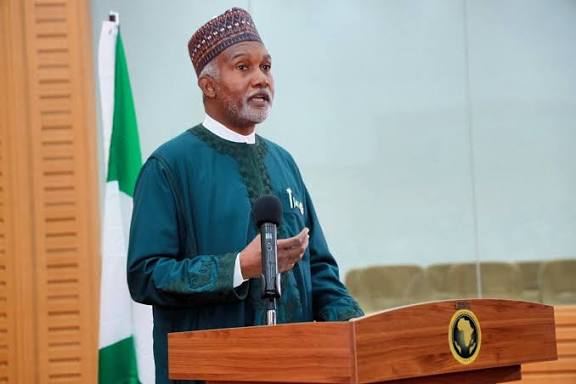

Nigeria has achieved a historic economic and diplomatic breakthrough at the 39th Session of the Executive Council of the African Union (AU), securing a permanent seat on the Board of the African Central Bank (ACB) a rare and strategic victory that solidifies the country’s role at the heart of Africa’s financial governance and monetary integration agenda.
The announcement, confirmed by Nigeria’s Minister of Foreign Affairs, Ambassador Yusuf Tuggar, underscores not just a symbolic win but a concrete elevation of Nigeria’s influence in shaping the future of continental finance. In an official statement released on Friday, the ministry highlighted that the Council’s agreement to grant Nigeria a permanent board seat is “a landmark development that underscores Nigeria’s strategic role in shaping Africa’s financial architecture.”
This permanent appointment also extends Nigeria’s representation to the Board of the Technical Convergence Committee of the African Monetary Institute (AMI), the institutional arm overseeing the transitional phase toward the formal establishment of the African Central Bank. The AMI is central to realizing the AU’s long-term monetary integration blueprint under the Abuja Treaty, which envisages a unified African economic community with integrated financial systems.
Financial commentators and analysts see this development as more than diplomatic recognition. It is a validation of Nigeria’s economic heft, technical expertise, and leadership within ECOWAS and the broader AU framework. According to the foreign ministry’s release, the decision “reflects Nigeria’s technical capacity, economic significance, and commitment to advancing Africa’s monetary integration agenda.”
The broader implications for Nigeria’s economy could be far-reaching. Participation in the central bank’s board means direct input into continental monetary policies, financial standards, and governance frameworks that will shape trade, investment flows, and capital mobility across Africa. For Nigeria Africa’s largest economy by GDP and population this translates into a stronger voice in discussions that could influence foreign direct investment decisions, exchange rate policies, and regional financial stability initiatives.
Beyond the finance sector, Nigerian authorities say the AU summit also highlighted the country’s commitment to peace, security and democratic governance. The session saw candidates supported by the Economic Community of West African States (ECOWAS) successfully elected to the AU Peace and Security Council, reinforcing regional cohesion and stability dialogue.
For a country pushing bold economic reforms and seeking to attract global investment, this seat is more than prestige: it is a strategic platform to shape the rules of finance in Africa’s evolving economic order. Officials from Abuja have indicated that this development dovetails with earlier commitments to host the African Central Bank’s headquarters, reinforcing Nigeria’s position as a hub for pan-African financial governance.
As the AU moves closer to launching the African Central Bank, Nigeria’s enhanced role signals a new chapter in its economic diplomacy one where influence, policy, and regional leadership converge to potentially redefine the continent’s economic trajectory.











Comments