Dangote Refinery-Backed MRS Stations Raise Petrol Pump Prices
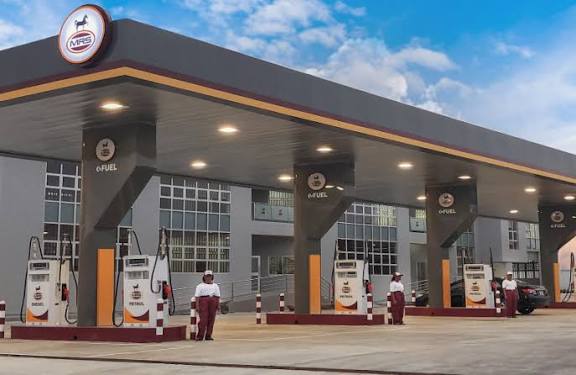

Dangote Refinery-backed MRS filling stations have increased the retail price of Premium Motor Spirit (PMS), popularly known as petrol, comes at a time when Nigeria’s downstream petroleum sector is already grappling with volatile pricing and intense competition. According to reports by Daily Post, several MRS outlets across major cities have raised their pump prices, signaling a reversal of the price relief enjoyed by motorists in recent weeks under Dangote’s pricing influence.
This development is significant because just recently, Dangote Petroleum Refinery Africa’s largest single-train refinery had led a major shift in Nigeria’s fuel market by aggressively driving down fuel prices through partnerships, notably with MRS Nigeria Plc
In December 2025, Dangote and MRS launched nationwide petrol sales at ₦739 per litre in a bid to make refined fuel more affordable following the end of fuel subsidy and the deregulation of pricing. That move sparked long queues at outlets offering the discounted rate and forced competing marketers to reduce their prices to retain customers.
The price increase at certain MRS stations, however, reflects the realities of a market still balancing supply, cost pressures, and competitive strategies. While Dangote itself had temporarily cut its gantry (ex-depot) price to support affordability during festive and peak consumption periods, industry analysts note that adjustments in underlying costs including logistics, transportation, exchange rate fluctuations, and crude oil price movements inevitably feed into retail pricing among frontline retailers like MRS.
What makes the current situation complex is how different players in the downstream sector are positioning themselves. As recently as January 2026, Dangote Refinery formally raised its gantry price from an ultra-competitive N699 to N799 per litre, with the associated retail price at partner stations such as MRS adjusted around N839 per litre. This step was described by the refinery as a move back toward “sustainable pricing” following temporary festive season interventions.
Despite Dangote’s strategic pricing and supply arrangements, price competition remains fierce. Independent petrol retailers have been known to undercut Dangote-linked stations by selling below the approved N739 rate, forcing a market where consumers chase the lowest available price rather than staying loyal to particular brands. This dynamic has seen some stations sell petrol for as low as N735 per litre, illustrating the ongoing price war in the sector.
In light of these developments, stakeholders including federal regulators, marketers, and consumer groups are watching closely to see how pricing trends evolve. The government’s broader energy policy framework continues to focus on market-driven pricing and operational efficiency, which places additional emphasis on how refineries like Dangote Petroleum Refinery and distribution partners manage supply costs and pricing strategies in the months ahead.
For now, Nigerians at the pumps are left navigating a landscape where petrol prices can shift within weeks or even days, reinforcing the need for continuous monitoring of market trends and cost drivers in Nigeria’s dynamic petroleum sector.







Comments