
Elumelu Tells Tinubu Dollar Liquidity Crisis Has Eased, Says Nigeria’s FX Market Now Stable
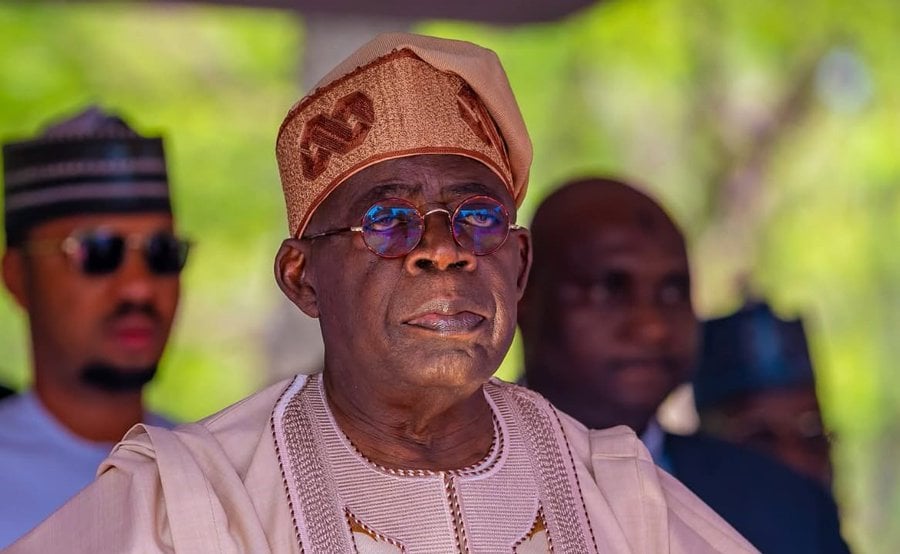

Nigeria’s foreign exchange landscape may finally be turning a corner, according to one of the country’s most influential business leaders. After a high-profile meeting with President Bola Tinubu at the Presidential Villa in Abuja, Tony Elumelu, Chairman of United Bank for Africa and Heirs Holdings, made a striking declaration: the era of dollar scarcity that has plagued businesses and investors across Nigeria is effectively over and the FX market has been “sorted.”
Elumelu’s comments, delivered to state house correspondents following Friday’s strategic engagement, paint a picture of renewed stability and confidence in Nigeria’s currency and financial ecosystem. Speaking from the seat of the nation’s political power, he described a dramatic shift from a period when access to foreign exchange dominated corporate concerns, to a present where such worries have largely dissipated.
He noted that where previously the majority of calls he received from business leaders were about sourcing dollars, today not a single call centers on FX issues a testament, in his view, to the progress achieved through the Central Bank of Nigeria’s reform agenda.
At the heart of this transformation is the reform trajectory spearheaded by the Central Bank of Nigeria (CBN) under Governor Olayemi Cardoso. Since his appointment, the apex bank has rolled out ambitious structural changes designed to unify and liberalize the foreign exchange market, including the abolition of multiple exchange rate windows, the clearance of a multi-billion-dollar backlog of FX obligations, and the introduction of a transparent Electronic Foreign Exchange Matching System.
These initiatives have contributed to a more predictable market environment, enabling businesses to plan with greater certainty and reducing the distortions that once drove scarcity and wide premium spreads in FX availability.
While the narrative of dollar availability improving is compelling, it’s anchored in broader macro-economic shifts. Nigeria’s external reserves, for instance, have seen a rebound in recent years, bolstering the country’s ability to meet external obligations and provide liquidity to the FX market. Furthermore, official data from the CBN has shown robust foreign exchange turnover, indicating that market activity has grown significantly as reforms take hold.
1These structural gains are now being echoed not just by market participants but by high-profile figures in the private sector like Elumelu, whose endorsement underscores a growing confidence in the regime’s policy direction.
Beyond the foreign exchange discussion, Elumelu said his meeting also touched on several other pillars of Nigeria’s economic future. He highlighted the importance of addressing lingering constraints in the power sector by fast-tracking payments owed to generating companies. According to the business magnate, improving electricity supply is not merely an operational issue it is a fundamental enabler of productivity, competitiveness, and sustainable growth.
He emphasized that despite significant sums owed to power firms, these companies continue to generate electricity, and clearing these debts would unlock further capacity expansion.
Elumelu also praised President Tinubu’s focus on empowering small and medium-sized enterprises (SMEs) and youth entrepreneurs.
He spoke enthusiastically about discussions on tax reform and the role of development financial institutions such as the Bank of Industry in expanding access to capital and technical support for Nigerian businesses. For Elumelu, tapping into the vibrancy of Nigeria’s private sector—especially its SME ecosystem—is essential for job creation, innovation, and broad-based economic resilience.
The broader significance of Elumelu’s statements lies in the shift from crisis management to confidence building. For years, foreign exchange shortages were a persistent frustration in Nigeria’s business environment, contributing to import delays, price volatility, and uncertainty among investors. If the current narrative holds true, a more stable FX market could spur greater investment flows, strengthen the purchasing power of Nigerian companies operating internationally, and signal to global markets that the economy is on a firmer footing.
As Nigeria navigates the complexities of global markets, the coming months will be critical in testing whether these early signs of stability can translate into durable economic growth that touches every sector and every citizen. The declaration that dollar scarcity is over might just be the beginning of a larger story of recovery and renewal for Africa’s largest economy.











Comments