
CBN Deploys $7.8 Billion to Stabilise FX Market in 2025, Says Stanbic IBTC Economist
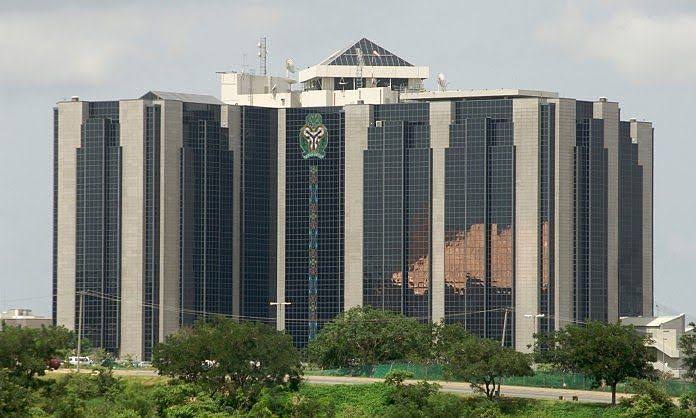

In a striking revelation that underscores the scale of intervention by Nigeria’s monetary authority last year, the Central Bank of Nigeria (CBN) spent an estimated $7.8 billion on foreign exchange (FX) liquidity management in 2025, according to economists with Stanbic IBTC Asset Management Limited.
The disclosure, made during the bank’s Nigeria 2026 Economic Outlook webinar, highlights the apex bank’s determined efforts to stabilize the FX market and restore confidence in the naira amid persistent volatility and heightened global financial pressures.
Economists led by Abdulazeez Kuranga explained that nearly half of the interventions – about 47 per cent of the total outlay – occurred between March and May 2025, a period marked by intensified depreciation pressures and negative market sentiments that threatened to destabilize exchange rate dynamics. Faced with these headwinds, the CBN stepped into the market selling foreign currency aggressively to calm exchange rate turbulence and narrow the gap between available supply and surging demand.
This sizeable FX deployment reflects the apex bank’s broader policy shift toward a more liberalized foreign exchange framework, where it now operates more like a regular market participant rather than a dominant supplier of foreign currency.
Economists noted that the CBN’s share of FX inflows averaged 12.9 per cent in 2025, a significant reduction from a peak of 77.9 per cent in March 2020 – a sign of growing market depth and participation from other sources such as commercial banks and private stakeholders.
The timing of CBN’s interventions also aligned with improved FX inflows from oil exports, remittances and foreign portfolio investment, providing much-needed support to the nation’s foreign reserves and aiding the central bank’s strategy to build buffers against external shocks.
Data from the apex bank and financial analysts show that FX turnover and inflow channels expanded in 2025, with broader participation from licensed remittance operators and deeper market turnover compared to the preceding year.
Despite these efforts, the FX market faced persistent pressures. Reports from late 2025 revealed periods of weak inflows, with total FX supply falling sharply, highlighting the delicate balance between supply and demand that monetary authorities continue to navigate. Such oscillations underscored why the CBN felt compelled to intervene at substantial cost to support liquidity and currency stability.
The interventions occurred against the backdrop of broader reforms initiated by the CBN in recent years. These reforms include the unification of FX rates under a willing buyer–willing seller model, elimination of market segmentation, clearing of FX backlogs, and efforts to improve transparency and investor confidence in the market.
Such structural shifts helped to anchor expectations, reduce arbitrage opportunities, and encourage diversified sources of foreign exchange beyond central bank deployments.
Economists at Stanbic IBTC believe that the sizeable outlay by the CBN in 2025 was instrumental in moderating exchange rate volatility and shoring up market confidence. By injecting liquidity during periods of acute stress, the apex bank played a stabilizing role, albeit at a high cost.
Looking ahead to 2026, analysts are cautiously optimistic that sustained FX stability and renewed investor interest, particularly in non-oil sectors like agriculture and manufacturing, will help support broader economic resilience.
As Nigeria continues to pursue macroeconomic stability, the high expenditure on FX liquidity management underscores both the challenges and progress within the foreign exchange market. The CBN’s shift toward a more open and competitive FX regime, coupled with expanding foreign capital flows and structural reforms, suggests a maturing market that – if sustained – could reduce the need for such large-scale interventions in the future.











Comments