
Import Surge Drives Down Domestic Cooking Gas Prices
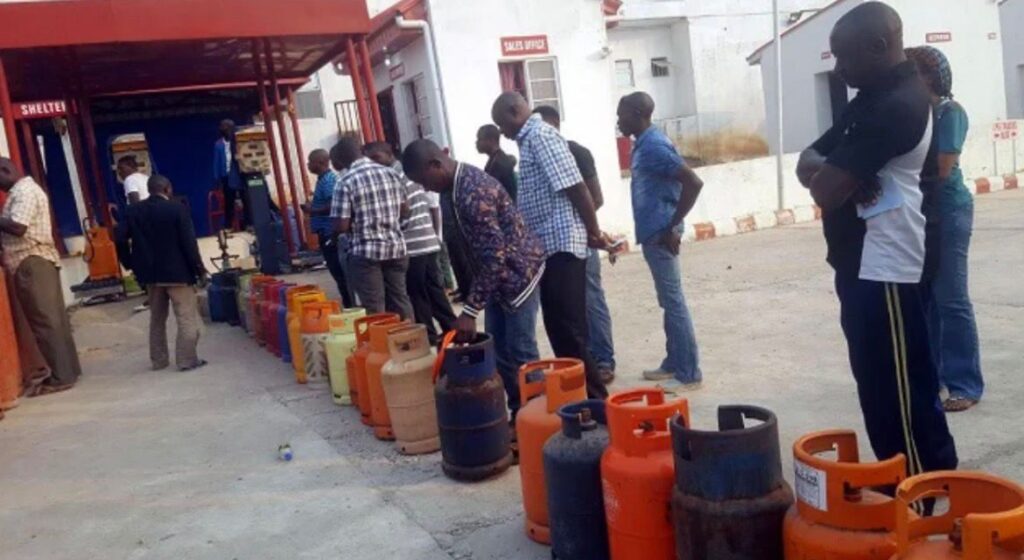

After months of volatility in Nigeria’s cooking gas market, consumers are beginning to see tangible relief at the pump. Recent data shows that cooking gas prices are cooling significantly largely due to a surge in import activity offering respite to households and businesses alike.
According to the Nigerian Midstream and Downstream Petroleum Regulatory Authority (NMDPRA), Liquefied Petroleum Gas (LPG) supply has expanded rapidly in early 2026, helping to ease previously high retail prices that strained family budgets and business operating costs.
Prices Trending Downward After Supply Crunch
In recent months, household cooks nationwide faced increasingly steep LPG prices, which at times spiked above ₦2,500 per kilogram in some locations due to supply disruptions and maintenance issues at key processing facilities. Representing a significant portion of household energy expenditure, these high prices forced many Nigerians to revert to alternative fuels like charcoal or firewood, with negative environmental and health implications.
However, new data from January 2026 reveals a marked shift:
- National daily LPG supply increased to 6,300 metric tonnes per day, up from 5,200 MT/day in December and significantly higher than supply levels in early 2025.
- Import volumes now account for a growing share of total supply, rising to more than 2,600 MT/day in January approximately 41% of the national LPG supply.
As a result, retail prices are trending toward the ₦1,000 per kilogram level, with market surveys in February 2026 recording prices at around ₦1,000–₦1,050/kg in major urban centres like Lagos.
This improvement marks a dramatic turnaround from the supply collapse in late 2025, when LPG availability dipped below 4,000 MT/day and retail prices soared.
Why Import Activity Matters
The sharp increase in LPG imports has been a key driver of price relief. After accounting for only a fraction of total supply earlier in 2025, imported LPG volumes have expanded rapidly thanks to improved logistics and market incentives, helping to bridge domestic shortfalls.
This uptick in imports has eased pressure on local depots and expanded choices for marketers, enabling more competitive pricing. A relatively stable exchange rate trading around ₦1,350 per U.S. dollar in mid-February 2026 has also helped contain cost pressures on importers, who rely on foreign currency to make purchases overseas.
Domestic Production Still Playing a Role
While imports are helping to cool prices, domestic production remains an important part of the supply mix. Local refiners and gas facilities maintained output of roughly 3,700 MT/day in January, providing a consistent supply base that complements imported volumes.
Industry watchers also point to initiatives aimed at boosting local LPG production such as including LPG infrastructure in refinery expansion plans as part of broader efforts to strengthen energy security and reduce long-term dependency on imports. Previous reports have highlighted how increased domestic production can support affordability when paired with efficient distribution.
What This Means for Consumers and the Economy
- Short-Term Relief for Households
Lower LPG prices have immediate benefits for household budgets. With cooking gas being a staple energy cost, a move toward ₦1,000/kg means families have more disposable income available for other essentials. This can help ease overall inflationary pressures felt at local markets.
- Improved Business Input Costs
Small businesses particularly in the food service and hospitality sectors also stand to benefit. Reduced energy costs can improve profit margins and lower the price of prepared foods, supporting broader economic activity.
- Broader Energy Market Stability
An increase in LPG imports when effectively matched with domestic supply can help stabilise the energy market overall. More consistent supply reduces the risk of sudden price shocks caused by temporary disruptions or maintenance shutdowns.
Key Challenges and What Comes Next
Despite the positive trends, challenges remain:
- Price disparities across regions: Even with cooling prices in major cities, some regions still experience higher retail rates due to transportation costs and limited infrastructure.
- Long-term supply resilience: Sustaining lower prices will require ongoing investments in LPG logistics, storage, and local production capacity.
- Market transparency: Ensuring that price declines are passed through to consumers rather than absorbed as profit margins will be crucial for lasting relief.
Experts say that policy support, efficient imports, and strengthened domestic production will be essential pillars of a stable cooking gas market in 2026 and beyond.
Conclusion
The recent cooling of cooking gas prices in Nigeria driven by a surge in import activity and backed by rising domestic supply offers a welcome reprieve for households and businesses. With retail prices approaching ₦1,000/kg, the trend marks a significant shift from the supply-strangled months of late 2025.
While challenges remain, the combined impact of imports and local production improvements signals that positive momentum is building in the LPG market. For many Nigerians, that translates into observable savings at the pump and more predictable energy costs in the months ahead.












Comments