
National Assembly Clears ₦1.5tn Army Budget in Major Security Spending Push

A Significant Fiscal Move in Security Spending
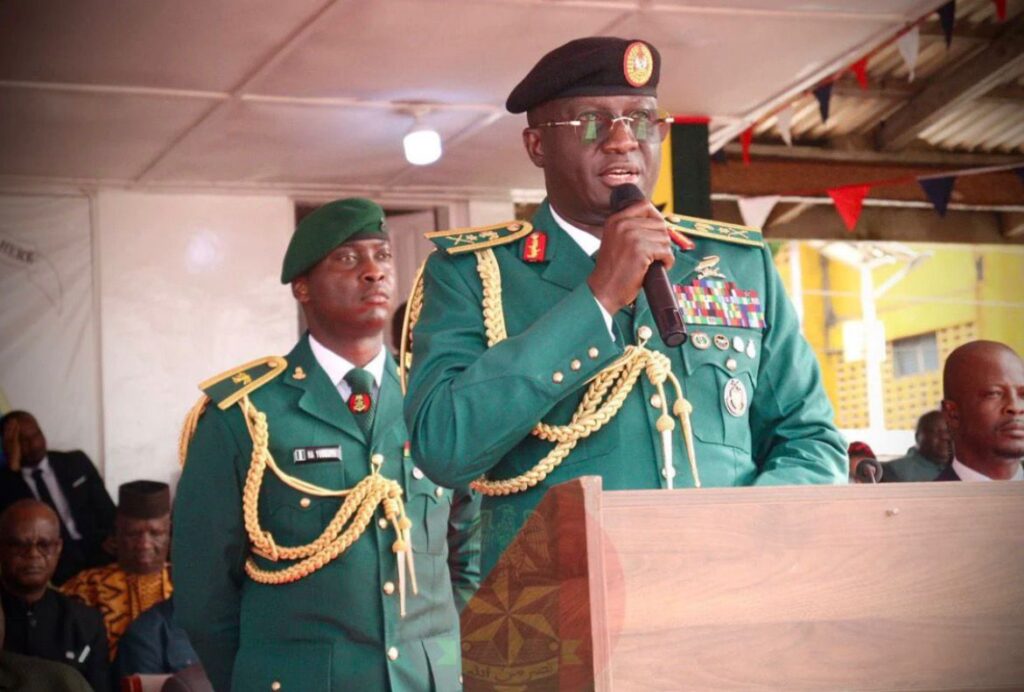
In a major fiscal decision reflecting the federal government’s prioritisation of national security, the National Assembly has approved a ₦1.5 trillion budget for the Nigerian Army in the 2026 Appropriation Act.
The approval comes amid sustained insecurity across Nigeria and a broader push to ensure the military is adequately funded to meet evolving security challenges.
Parliament’s Approval and Legislative Support
On Monday, February 16,2026, a joint committee of the Senate and House of Representatives committees on Army endorsed the N1.504 trillion budget proposal presented by the Chief of Army Staff, Lieutenant General Waidi Shaibu, during a closed-door budget defence session in Abuja.
Senator Abdulaziz Yar’Adua, Chairman of the Senate Committee on Army, stated that lawmakers were satisfied with the Army’s presentation and recognised the critical role of the military in safeguarding Nigeria’s territorial integrity and security.
“We had a joint session of the Senate and House of Representatives Committees on Army on the 2026 budget, and after listening to the presentation of the Chief of Army Staff, all members expressed satisfaction with it,” Yar’Adua told reporters.
Funding Challenges and Legislative Oversight
While the allocation was approved, lawmakers also highlighted recurring delays in the release of appropriated funds a challenge that has historically impeded operational efficiency across ministries, departments, and agencies (MDAs), including the armed forces.
Both the Senate and House committees pledged to press for timely disbursement of funds to ensure budgeted activities are implemented effectively. Aminu Balele, Chairman of the House Committee on Army, reaffirmed the legislature’s intention to continue sustained oversight and pressure on relevant authorities to guarantee prompt release of funds.
Context: National Security as a Fiscal Priority
The decision to allocate ₦1.5 trillion to the Nigerian Army is part of a broader fiscal emphasis on security within the ₦58.18 trillion 2026 budget presented by President Bola Ahmed Tinubu late last year. According to the 2026 budget proposal, ₦5.41 trillion was earmarked for defence and internal security making security one of the largest single sectoral allocations in the federal budget.
This prioritisation reflects the ongoing realities on the ground where the Army remains deeply engaged in counter-insurgency operations against Boko Haram and the Islamic State West Africa Province (ISWAP) in the North-East, while also confronting banditry, kidnapping, communal violence, and other violent crimes in the North West and North Central regions.
Security experts have noted that modern asymmetric threats require not just manpower but also investment in advanced equipment, logistics, intelligence capabilities, and troop welfare areas where consistent and timely funding is critical.
What the Budget Means for the Army and Nigeria
The ₦1.5 trillion allocation is significant not just in monetary terms but also as a political signal of support for Nigeria’s security architecture. Key implications include:
- Enhanced operational capacity: Adequate funding enables the Army to maintain and scale counter-insurgency and internal security operations.
- Budget credibility and implementation: Legislative backing increases confidence that appropriated funds will be released and utilised efficiently.
- Stronger defence posture: Consistent funding is critical to sustaining morale, training, equipment procurement, and welfare for personnel deployed across multiple fronts.
- Economic stability: Effective security spending underpins business confidence, encourages investment, and stabilises vulnerable regions affected by insecurity.
Looking Ahead: Timely Release and Implementation
While the approval represents a milestone, analysts and stakeholders emphasise that the true test lies in implementation. Ensuring that funds are released promptly and transparently will be essential to translating the approved budget into tangible security gains.
With the Army facing multifaceted challenges in 2026 and beyond, from insurgency to organised crime, the legislative backing combined with operational funding could mark a turning point in Nigeria’s approach to addressing insecurity provided strategic oversight and accountability mechanisms remain in place.









Comments