Rising Costs, Shrinking Margins: Abuja’s Small Businesses Demand Urgent Government Lifeline
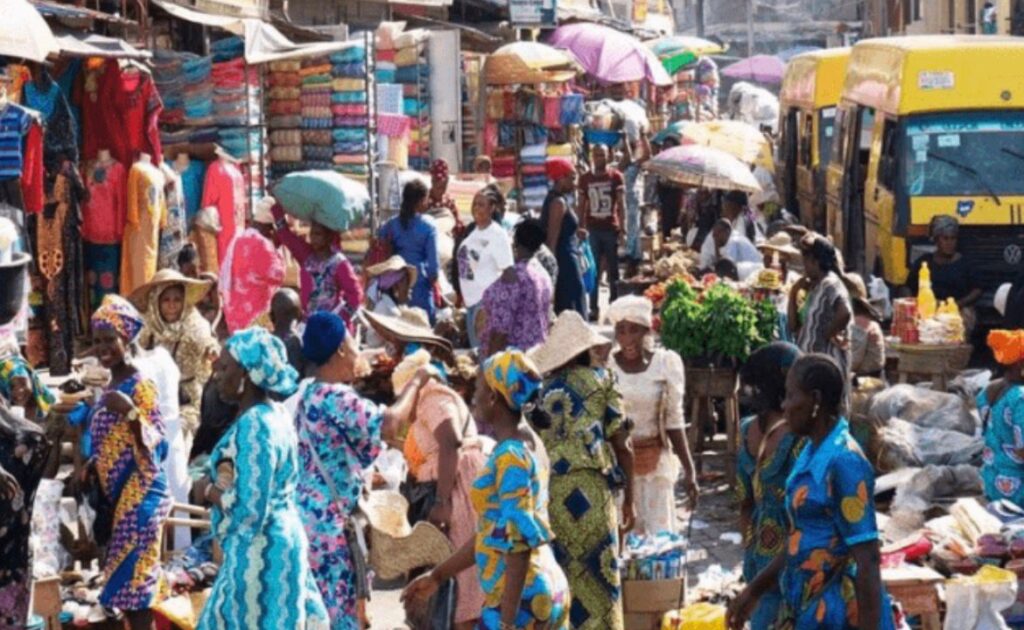

- Small and medium sized enterprises (SMEs) in the Federal Capital Territory (FCT) are facing an acute economic squeeze as rising costs, persistent inflation and operational challenges threaten their survival. Business owners, trade bodies and observers are increasingly urging stronger and more targeted government action to avert closures, job losses and long-term economic damage.
Escalating Costs and Operating Pressures
Small business owners in Abuja have raised alarm over a range of cost pressures that have bogged down operations. In interviews with journalists, traders cited soaring inflation, climbing energy costs and erratic power supply as key factors squeezing profit margins and weakening revenue streams. Many businesses have been forced to rely on generators and alternative power sources due to unstable electricity, significantly raising daily operating expenses.
According to one SME owner, these conditions have made it difficult to maintain profitability, with many operators facing hard choices between raising prices, losing customers or absorbing rising costs themselves.
Inflation’s Deep Impact on SMEs
Nigeria’s inflationary environment remains a central concern. As the general price level continues its upward trend, consumer purchasing power has weakened, reducing demand for goods and services. This trend has compounded stress on small businesses, which typically operate on thin margins and are less able to absorb cost shocks than larger firms. High inflation also translates into more expensive raw materials and inputs, especially for businesses dependent on imports or on supply chains with international components.
A broader look at research shows that in parts of Abuja, inflation directly correlates with declines in SME performance and operational success, underscoring the systemic nature of the problem.
Access to Finance: Still Out of Reach for Many
Despite government initiatives aimed at improving SME financing, access to affordable credit remains limited. Owners say commercial banks still perceive small businesses as high-risk, resulting in steep interest rates and stringent collateral requirements that put formal loans out of reach for many traders and entrepreneurs.
This challenge is part of a larger national picture in which only about one in four Nigerian SMEs actually access government support programmes, even when such funding exists.
Calls for Policy Intervention and Support
In light of these pressures, business stakeholders are calling for stronger and more consistent government intervention.
Policy Stability & Infrastructure Support: Leaders from the Abuja Chamber of Commerce and Industry have urged the Federal Government and FCT Administration to prioritise predictable regulations and infrastructure that reduce the cost and complexity of doing business.
- Monetary and Fiscal Considerations: Advocacy groups like the Lagos Chamber of Commerce and Industry have highlighted the need for monetary policy that aligns with real business and consumer conditions, especially given high borrowing costs.
- Expanded Stakeholder Engagement: Government officials, including the Vice President, have encouraged broader private-sector engagement and expanded support options for micro and small enterprises, especially leveraging technology and public-private partnerships.
Existing Government Initiatives and Gaps
The government has launched various interventions meant to support SMEs, including loan schemes and structured financing initiatives. Recent efforts include the SMEDAN GROW Fund, designed to offer single-digit interest loans and capacity development for entrepreneurs.
Additionally, the Bank of Industry (BOI) has disbursed hundreds of millions in loans to SMEs in the FCT as part of its intervention fund.
However, despite these positive steps, coverage remains limited and many small businesses still feel unsupported, particularly in terms of fiscal relief and targeted cost-reducing measures.
Why This Matters: SMEs as the Backbone of the Economy
Small and medium enterprises are widely regarded as critical to Nigeria’s economic growth, employment generation and poverty reduction efforts. In Abuja and beyond, their survival is essential not only for livelihoods but also for broader domestic economic resilience.
Yet without more comprehensive government action from stable policies to enhanced access to finance many SMEs could continue to struggle or close, with consequences for jobs, investment and long-term development.










Comments