
Nigeria Sets Sights on $5.7bn Investment Drive Across Power, Mining, Manufacturing
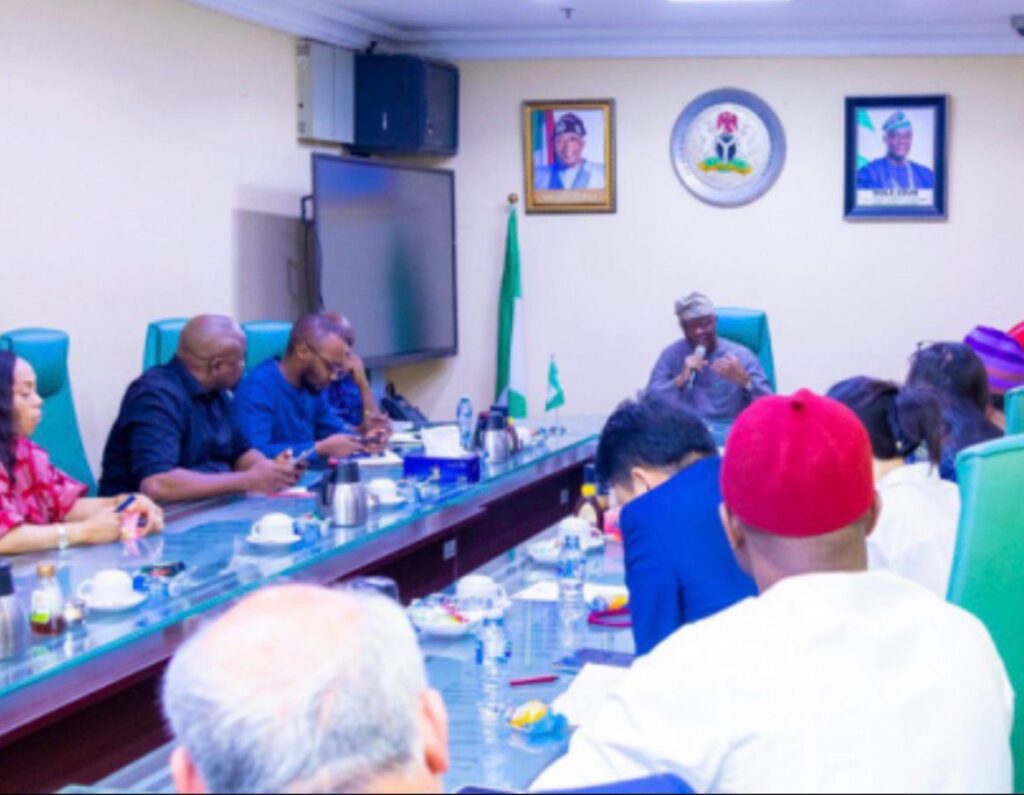

Nigeria has set ambitious plans to attract up to $5.7 billion in foreign capital to supercharge critical sectors of the economy particularly power generation, mining, and industrial manufacturing.
The proposed investment push is part of the Federal Government’s broader strategy to deepen economic reforms, boost job creation, expand export capacity, and accelerate industrialization.
Strategic Talks with Chinese Investors
The Federal Government has initiated high level negotiations with China’s GCL Group, a prominent green technology and industrial investor, to secure the proposed $5.7 billion investment package. The discussions were led by Senator Orji Uzor Kalu and took place in Abuja where the Honourable Minister of Finance and Coordinating Minister of the Economy, Wale Edun, received the delegation.
According to official statements, the investment proposal targets key sectors where Nigeria has significant growth potential:
- Power generation — including large-scale energy projects to strengthen electricity supply.
- Mining — focusing on local mineral processing and value addition.
- Manufacturing — establishment or expansion of industrial production facilities.
These sectors have been identified as vital pillars for Nigeria’s industrial transformation and economic diversification.
What the Investment Means for Nigeria
- Boosting Domestic Industrial Capacity
Nigeria has long struggled with insufficient power supply, limited local processing of minerals, and weak manufacturing output. The $5.7 billion strategy aims to:
- Strengthen energy security, reducing chronic electricity shortages;
- Create domestic mineral processing hubs instead of exporting raw resources;
- Build or expand factories to deepen value chains and produce exportable goods.
Official sources say these investments align with economic reforms introduced under President Bola Ahmed Tinubu, aimed at improving investor confidence and laying foundations for long-term growth.
Employment & Export Opportunities
One of the core aspects of the deal is its focus on job creation and export expansion. By boosting industrial and manufacturing activity, Nigeria hopes to:
- Generate skilled and semi-skilled jobs across sectors;
- Increase foreign exchange earnings through processed exports;
- Improve the business climate for both local entrepreneurs and global investors.
As noted by the Finance Ministry, the investment framework shifts focus from raw commodity exports to domestic value addition, a move expected to have multiplier effects across the economy.
Policy Context: Economic Reforms & Investor Confidence
The investment drive is being supported by ongoing reform efforts targeting structural bottlenecks that historically deterred foreign direct investment (FDI). Recent policies have sought to:
- Liberalise key sectors;
- Improve regulatory certainty;
- Enhance macroeconomic stability;
- Promote private sector participation.
These reforms have reportedly improved investor sentiment, evidenced by rising interest from Chinese groups like GCL and other global players.
Broader Industrial Growth Agenda
This foreign investment push is linked to wider government efforts to reform Nigeria’s industrial and economic landscape, including initiatives:
- To finance industrial development through policy frameworks like the Nigeria Industrial Plan;
- To expand the Bank of Industry’s role in supporting manufacturing and mining financing;
- To increase Nigeria’s long-term productive capacity.
Such efforts signal a strategic intent to scale industrial output and reduce Nigeria’s dependency on oil exports.
Outlook & Next Steps
While the $5.7 billion investment package remains in negotiation stages, analysts and policymakers believe its conclusion could mark one of the largest foreign capital inflows into Nigeria’s productive sectors in recent years.
The Federal Government has not yet disclosed detailed project timelines, but further updates are expected as talks progress with GCL and other potential partners.









Comments