
MPC Slashes Interest Rate by 50bps: What This Means for Your Savings and Loans
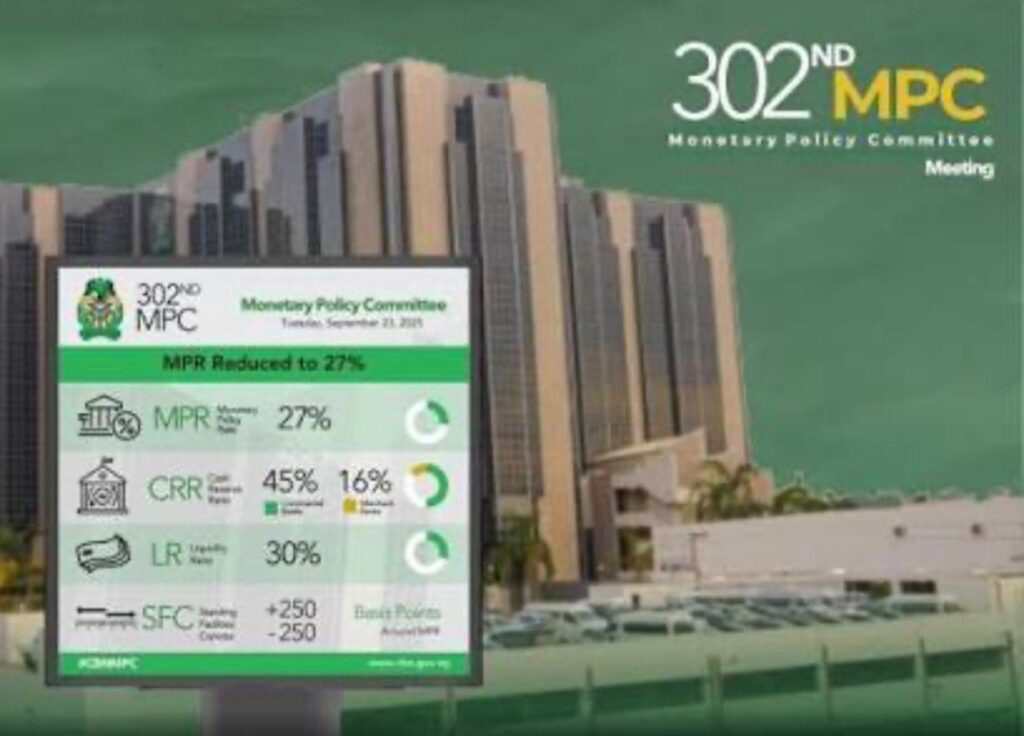

On Tuesday, February 24, 2026, the Monetary Policy Committee (MPC) of the Central Bank of Nigeria (CBN) announced a 50 basis points (bps) cut to the Monetary Policy Rate (MPR) bringing the benchmark rate down from 27.0% to 26.5%. The decision, part of the bank’s 304th MPC meeting in Abuja, was unanimously agreed and marks the lowest policy rate level since mid-2024.
This development has sparked diverse reactions from economists, businesses, and financial analysts across Nigeria, as firms and individuals try to understand the real-world impact on savings returns, loan costs, credit access, and broader economic activity.
Why the MPC Reduced the Interest Rate
According to the CBN governor, Olayemi Cardoso, the interest rate cut was driven by ongoing disinflation trends, stronger external reserves and improved macroeconomic conditions, even as inflation continues to moderate.
Analysts and private sector groups acknowledge this policy shift as a cautious but forward-leaning step toward monetary normalisation after a prolonged period of tightening aimed at taming inflation.
Overall, the MPC retained other monetary policy tools such as the Cash Reserve Ratio (CRR) and Standing Facilities Corridor, indicating that liquidity conditions remain relatively tight even as the policy rate eases slightly.
What This Means for Savings Accounts
- Lower Returns on Deposit Instruments
Interest rates on savings accounts, fixed deposits, and short-term investment instruments are closely tied to the MPR. When the policy rate falls:
- Banks often reduce the interest offered on savings accounts to align with lower cost of funds.
This means depositors may earn slightly less on existing and new savings products if banks adjust downward.
However, given that the MPR is still high (26.5%), savings rates are unlikely to collapse, especially compared with historical averages. Many banks tend to maintain relatively attractive rates to retain deposits, particularly in an environment where inflation remains elevated.
How Loan Costs Could Change Potential for Reduced Borrowing Costs
The primary intention behind lowering the MPR is to reduce the cost of borrowing for consumers and businesses. In theory:
- Commercial loans such as mortgages, personal loans, and business credit should become slightly cheaper.
- Banks may lower their lending rates, making credit more accessible over time.
Why Immediate Impact May Be Limited
Despite the MPR cut, several factors could delay or dampen transmission of lower rates to borrowers:
- Banks still face high operating costs and regulatory requirements (e.g., CRR of 45%), which can keep lending rates elevated.
- Many financial institutions price loans based on risk premiums, meaning changes in policy don’t automatically translate to lower loan rates for all customers.
According to industry observers, while the rate cut signals policy direction, actual borrowing costs may only soften gradually.
Reactions from Businesses and Analysts
Positive But Cautious Response
Members of the Organised Private Sector (OPS) welcomed the rate cut as a confidence-boosting signal for growth, though they stressed that liquidity remains tight and broader reforms are needed.
Economic think tanks like the Centre for the Promotion of Private Enterprise (CPPE) have commended the cut, stating it improves investor confidence but they warned that structural constraints could limit benefits unless paired with fiscal discipline.
Slow Credit Expansion Expectations
Industry groups such as the Nigeria Employers’ Consultative Association (NECA) described the cut as a cautious step but noted that lending conditions might remain relatively unchanged in the short term due to other policy tools still in place.
Broader Economic Implications
- Inflation and Macro Stability
The MPC has been clear that the cut is not the beginning of an aggressive easing cycle; it is instead a calibrated move reflecting ongoing disinflation and macroeconomic balance.
- Foreign Reserves Strength
Nigeria’s external reserves have hit a 13- year high, which supports exchange rate stability a critical input for inflation and investment decisions.
- Continental Trend
This rate reduction also aligns Nigeria with other African economies easing policy as inflation pressures ease regionally.
What Nigerians Should Expect Next For Savers
- Slowly declining yields on savings products.
- Opportunity to shop around for banks offering competitive returns.
For Borrowers
- Modest reduction in borrowing costs over time.
- Improved business financing prospects especially for SMEs if banks pass on rate changes.
For the Economy
- A smoother transition toward growth-supporting policy.
- Potential pickup in investment and consumer credit over the medium term.
- Continued focus on balancing inflation control with economic expansion.
Conclusion
The MPC’s 50bps interest rate cut from 27.0% to 26.5% is a measured step signaling confidence in Nigeria’s macroeconomic trajectory. While not dramatic, the reduction is a critical signal of policy normalisation, with potential benefits for credit access and investment. Its real impact on savings returns and loan pricing will depend largely on how commercial banks adjust their products and how broader economic conditions evolve in the coming months.
With inflation trending lower and external reserves strong, this policy shift gives both households and businesses a modest boost but patience and strategic financial planning remain essential.












Comments