
Gas Shortfall Stalls Electricity Output, National Grid Drops to 4,300MW
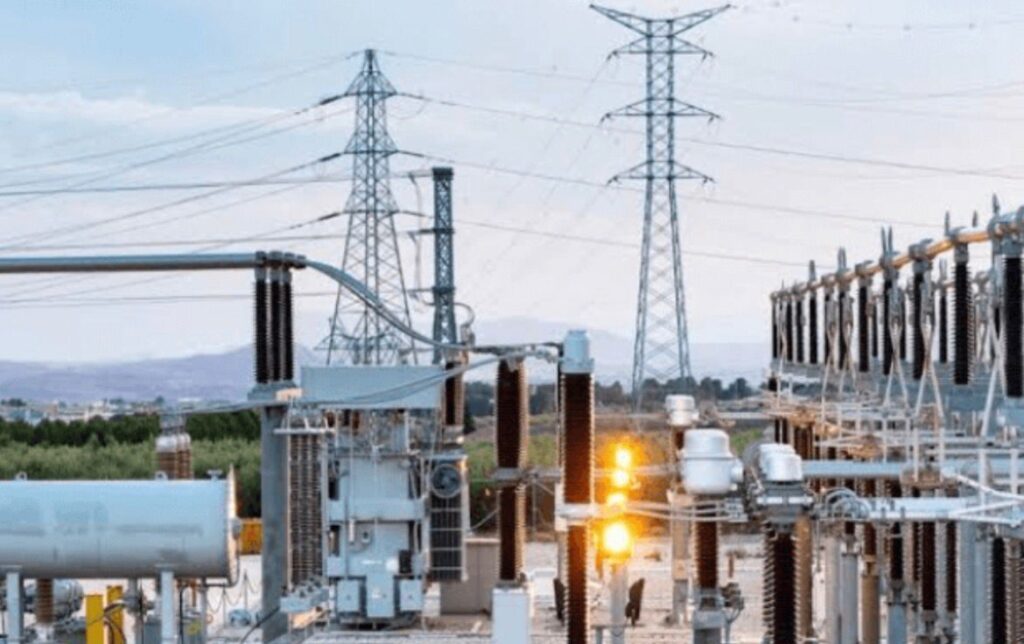

Nigeria’s power sector has suffered another significant setback as electricity generation plunged to an average of 4,300 megawatts (MW) a level far below the nation’s demand and capacity largely due to severe gas supply shortfalls affecting thermal power plants, according to industry operators and multiple national media reports.
Thermal Plants at the Heart of the Problem
In a statement issued by the Nigerian Independent System Operator (NISO) on Friday, the agency confirmed that the current generation slump is principally the result of inadequate gas supply to thermal generating stations, which make up the bulk of Nigeria’s grid-connected power plants.
Thermal plants typically require about 1,629.75 million standard cubic feet (MMSCF) of gas per day to run close to their installed capacity. However, as of 23 February 2026, actual gas deliveries were pegged at only 692 MMSCF per day less than 43 per cent of what is needed for optimal performance. This drastic deficit has throttled generation output and reduced the energy available for distribution across the national grid.
Load Shedding and Grid Management
With lower generation comes tougher choices for grid operators. NISO explained that whenever total system output drops sharply, it is compelled to implement load shedding across the network to maintain grid stability and prevent widespread system disturbances. Available electricity is currently being dispatched based on the Multi-Year Tariff Order (MYTO) allocation rules set by the Nigerian Electricity Regulatory Commission (NERC).
The result is intermittent and unreliable power supply in many parts of the country, with businesses and households increasingly turning to diesel generators and alternative energy sources to meet basic needs.
What’s Behind the Gas Supply Shortfall?
Reports from industry commentators and sector stakeholders attribute the gas bottleneck to a combination of production, delivery infrastructure, and market challenges. Nigeria despite being one of Africa’s largest gas producers has struggled with consistent delivery to power plants due to aging infrastructure, pipeline constraints, and shortfalls in domestic gas output.
Additional factors like maintenance activities by major players in the gas supply space have also temporarily tightened fuel availability for generators, contributing to the generation drop.
Economic and Business Impacts
The slip to 4,300 MW carries wider implications for Nigeria’s economy:
- Manufacturing and services sectors, which depend on stable electricity, are facing increased operational costs and productivity losses.
- Distribution companies (DisCos) receive less energy, complicating revenue generation and tariff stability.
- Investors and business owners have raised concerns that electricity repair and expansion plans will need accelerated policy interventions and liquidity support.
Analysts argue that without addressing the deep-seated issues in the gas-to-power value chain including supply agreements, pipeline bottlenecks, and financial shortfalls Nigeria’s grid will remain vulnerable to repeated output dips.
Operator Response and Outlook
NISO has acknowledged the inconvenience the situation causes but stressed that the effort is ongoing to work with relevant stakeholders to restore full energy allocation as gas supply improves and generation capacity is boosted.
However, until the daily gas shortfall currently more than 900 MMSCF below requirements is closed, the national grid is expected to remain in a state of constrained output, with continued load shedding and reduced supply to end users.











Comments