
UNICEF Launches $100,000 Equity-Free Funding Call for High-Impact Early-Stage Startups
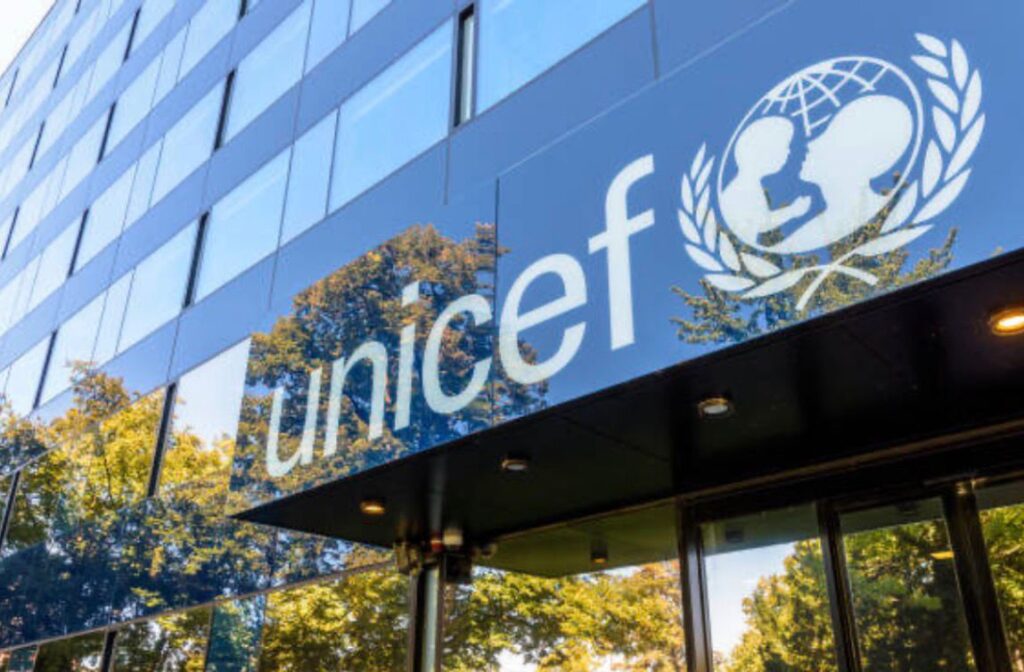

In a major funding boost for early-stage innovators in emerging markets, the UNICEF Venture Fund has officially opened applications for its 2026 Blockchain Ventures cohort, offering up to $100,000 in equity-free funding to startups developing deployment-ready blockchain solutions with measurable social impact.
This funding opportunity is aimed at startups using blockchain technology to solve real-world challenges affecting children and communities, especially in areas such as transparency, financing models and digital public goods.
What This Funding Is About
The UNICEF Venture Fund’s current call targets blockchain-based solutions that support social good. Eligible startups will receive equity-free funding meaning UNICEF does not take ownership or shares in the company in exchange for the grant.
Selected ventures will also be given technical mentorship over a 12– 18- month period, support for piloting and implementation of solutions, and access to UNICEF’s global network.
In this round, UNICEF is particularly welcoming applications from:
- Women-led startups
- Young founders under 35
- Startups in UNICEF programme countries
- Early-stage companies with a functional, real-world solution already built
Priority Areas for Solutions
According to the official descriptions shared across multiple platforms, the UNICEF Venture Fund is seeking solutions that address key development challenges through distributed ledger technology:
- Accountability & Transparency
Startups that improve how public services, payments and impact reporting are tracked, verified and managed including tools that reduce operational costs and automate reconciliation.
- Innovative Financing & Fundraising Models
Platforms that introduce new ways to finance social impact, such as web3- enabled tools like staking, tokenization, or community-based funding systems.
- Digital Public Goods
Open-source solutions and tools that empower communities, foster collaboration, and create sustainable digital ecosystems with measurable outcomes.
Who Can Apply
To be eligible, startups must:
- Be a registered private company in a UNICEF programme country.
- Be an early-stage venture with a working blockchain-based product ready for deployment or pilot testing.
- Commit to open-source licensing or practices.
- Demonstrate measurable impact potential, especially for children or vulnerable communities.
- Women-led and youth-led teams are especially encouraged to submit applications.
Funding and Mentorship Benefits
Qualifying startups selected for the cohort will receive:
- Equity-free funding up to $100,000, disbursed in cryptocurrency like ETH, BTC or USDC.
- 12 to 18 months of tailored technical mentorship to help strengthen solutions and scale impact.
- Access to UNICEF’s global partners and networks, helping ventures expand reach and long-term sustainability.
Because funding is equity-free, founders maintain full ownership of their company a major advantage compared with traditional venture capital deals.
Deadline and How to Apply
The deadline for submission is March 10, 2026 and applications must be submitted through the official UNICEF online form.
- Apply Here: You can submit your application directly via the UNICEF Venture Fund portal. (Link as provided on official UNICEF site)
For more detailed eligibility criteria and submission guidelines, consult the official UNICEF Venture Fund 2026 call for applications page.
Why This Matters for Startups
The launch of this funding round comes at a time when many startup ecosystems including Nigeria’s are seeing shifts in venture capital activity. With blockchains and decentralized technologies becoming central to innovative solutions for social problems, this UNICEF initiative offers not just capital but strategic support to founders advancing technology for good.
By focusing on real impact, open-source models and frontier tech, UNICEF is helping bridge funding gaps that often hinder early-stage founders in emerging markets











Comments