
Oil Heads for Biggest Weekly Jump Since 2020 as Brent Climbs to $87 per Barrel
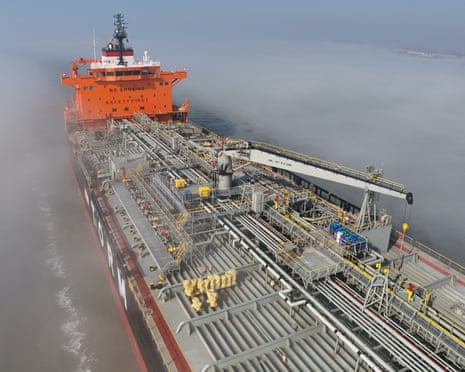

Global oil prices are on track for their biggest weekly gain since 2020, with Brent crude climbing to about $87 per barrel amid rising geopolitical tensions in the Middle East and growing concerns over disruptions to global oil supply.
The sharp rally has drawn the attention of energy markets worldwide, as traders react to escalating conflict in one of the most strategically important oil-producing regions.
Brent crude, the international benchmark for oil prices, rose by more than two percent during trading sessions this week to reach around $87 per barrel.
The surge extends a strong rally that has pushed prices significantly higher compared to levels recorded at the start of the week. U.S. benchmark West Texas Intermediate (WTI) also followed the upward momentum, climbing above $82 per barrel as supply risks intensified.
Market analysts note that if the upward trend holds through the end of the week, the gains could mark the steepest weekly rise in oil prices since the market turbulence seen in 2020 during the early phase of the COVID-19 pandemic, when oil markets experienced extreme volatility.
The surge in crude prices has largely been driven by escalating tensions involving the United States, Israel, and Iran, which have raised fears of major disruptions to oil shipments through the Strait of Hormuz.
The narrow waterway is one of the most critical global energy corridors, serving as the main export route for several major oil-producing countries in the Middle East including Saudi Arabia, Iraq, Kuwait, the United Arab Emirates, and Qatar.
Energy traders are increasingly concerned that the ongoing conflict could restrict tanker movements through the strait, potentially limiting the flow of millions of barrels of crude oil and refined petroleum products to global markets.
The Strait of Hormuz alone accounts for roughly one-fifth of the world’s total seaborne oil trade, making any disruption to shipping in the region a major threat to global supply chains.
Reports of military strikes and retaliatory actions in the region have heightened fears that energy infrastructure or shipping lanes could become targets, forcing shipping companies and insurers to reassess risks associated with transporting oil through the area. Some tanker operators have already slowed or rerouted shipments as tensions escalate, tightening supply expectations and pushing prices upward.
Analysts warn that if tensions continue to rise and the flow of oil through the Gulf becomes significantly restricted, crude prices could climb much higher in the coming weeks.
Some forecasts suggest that a prolonged disruption could drive oil prices toward the $100 per barrel mark or beyond, particularly if other producers are unable to quickly compensate for the lost supply.
The surge in oil prices is already creating ripple effects across global financial markets. Rising crude costs typically translate into higher fuel prices, which can increase transportation and manufacturing expenses, ultimately feeding into broader inflation pressures.
For central banks that have been attempting to manage inflation while supporting economic growth, a sustained spike in energy prices could complicate policy decisions.
For oil-exporting countries like Nigeria, higher crude prices present a mixed outlook. On one hand, elevated prices could boost export earnings and improve foreign exchange inflows, providing some relief to government revenues and strengthening fiscal projections. Nigeria’s economy relies heavily on crude oil exports, and stronger prices in the international market could help support public finances.
However, the benefits may be partially offset by the country’s dependence on imported refined petroleum products. Higher global oil prices often lead to increased costs for petrol, diesel, and aviation fuel in the domestic market, which can put additional pressure on businesses and households. This could also contribute to inflationary pressures within the Nigerian economy.
Energy experts also point out that Nigeria’s ability to fully benefit from higher prices will depend on its oil production levels.
Persistent issues such as pipeline vandalism, crude theft, and operational disruptions have previously limited the country’s output, preventing it from maximizing revenue during periods of high oil prices.
Global energy markets are expected to remain volatile in the coming days as traders closely monitor developments in the Middle East.
Diplomatic efforts to ease tensions could help stabilize prices, but any further escalation may tighten supply even further and push oil markets into a new phase of uncertainty.
For now, the sharp rally that has pushed Brent crude to around $87 per barrel underscores how sensitive the global oil market remains to geopolitical risks. With supply concerns mounting and demand remaining relatively strong, the current surge represents the most dramatic












Comments