
Petrol Price Jumps Again as Dangote Refinery Raises PMS to ₦1,175
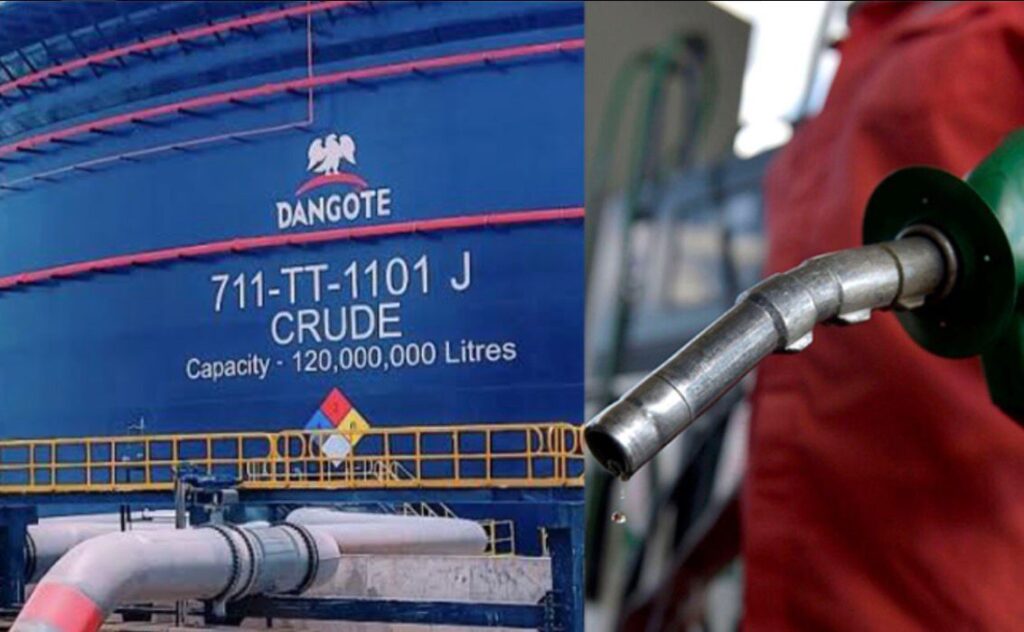

Nigeria’s fuel market has entered another phase of price volatility following a fresh increase in the ex-depot price of Premium Motor Spirit (PMS), commonly known as petrol, by the Dangote Petroleum Refinery. The refinery raised the gantry price of petrol to ₦1,175 per litre, marking yet another upward adjustment within days and raising concerns among marketers, businesses, and consumers across the country.
The latest price revision represents a ₦180 increase from the ₦995 per litre rate announced just days earlier, reflecting an 18% surge in the refinery’s petrol price within a short period. Analysts say the increase is likely to push retail pump prices above ₦1,200 per litre in several cities.
This development comes at a time when Nigeria’s energy sector is grappling with global oil price volatility, geopolitical tensions, and persistent pressure on the naira, all of which continue to influence the cost of refined petroleum products.
Fresh Petrol Price Adjustment at Dangote Refinery
Industry reports indicate that the refinery communicated the new pricing structure to petroleum marketers and depot operators nationwide, confirming that the ex-gantry price of petrol has been increased to ₦1,175 per litre, while the price of diesel (Automotive Gas Oil) has also been raised to ₦1,620 per litre.
The refinery’s price adjustments over the past week show a rapid upward trend:
First increase
₦874 per litre
Second increase
₦995 per litre
Latest price
₦1,175 per litre
Within just one week, petrol prices at the refinery have climbed by ₦401 per litre, highlighting the extent of volatility in Nigeria’s downstream oil market.
Energy analysts note that the refinery’s pricing plays a significant role in shaping the country’s fuel market because it is currently the largest refining facility in Africa, with the capacity to process about 650,000 barrels of crude oil per day.
Global Oil Market Pressures Behind the Hike
Market observers attribute the recent price increases to a combination of international crude oil price spikes and geopolitical tensions affecting global energy supply.
Reports indicate that rising crude prices linked to escalating conflicts involving the United States, Iran, and Israel have significantly increased the cost of crude oil globally, pushing up replacement costs for refined products.
When crude prices surge, refineries face higher input costs. As a result, refined products such as petrol and diesel become more expensive, particularly in markets like Nigeria where fuel pricing is largely deregulated.
Industry experts also point out that exchange rate pressures and logistics costs contribute to the final price marketers pay for fuel.
Marketers Warn Retail Prices Could Exceed ₦1,200
Following the refinery’s price review, petroleum marketers say the development could push pump prices significantly higher across the country.
Some filling stations in Lagos and Ogun states have reportedly begun selling petrol around ₦1,200 per litre, while prices in other parts of the country may rise even further depending on transportation and distribution costs.
Retailers warn that without intervention or improved crude supply arrangements, petrol prices could climb even higher in the coming weeks.
Industry sources also indicate that private depots have already adjusted their prices in line with the refinery’s new rate, further tightening the supply chain.
Call for More Crude Supply to the Refinery
Executives at the Dangote Refinery say increasing access to Nigerian crude oil could help stabilise fuel prices.
The refinery currently receives about five cargoes of crude oil per month from the government-owned Nigerian National Petroleum Company Limited, but it reportedly requires as many as 13 cargoes monthly to operate closer to full capacity.
Refinery officials have therefore urged the government to increase crude allocations to domestic refineries, arguing that improved supply could help reduce production costs and ease pressure on petrol prices.
Economic Implications for Nigeria
The fresh fuel price hike is expected to have ripple effects across Nigeria’s economy.
Petrol prices influence transportation, manufacturing, and logistics costs. As a result, increases in fuel prices often lead to higher prices for goods and services, contributing to inflation.
Businesses across sectors including food distribution, retail, and transportation are already expressing concerns about the potential impact on operating costs. Analysts say the increase could further strain households already dealing with rising living expenses.
Commuters and motorists have also expressed frustration as fuel costs continue to climb despite expectations that local refining capacity would eventually stabilise prices.
What the Dangote Refinery Means for Nigeria’s Fuel Market
The Dangote Refinery, located in the Lekki Free Trade Zone in Lagos, is a landmark project designed to transform Nigeria’s petroleum industry by reducing reliance on imported fuel.
While the facility has begun supplying refined products to the local market, the country’s fuel pricing remains closely tied to global oil prices and exchange rate dynamics.
Experts say that over time, improved refinery capacity, increased crude supply, and better distribution infrastructure could help moderate price volatility. However, in the short term, Nigerians may continue to experience fluctuations in fuel prices as the market adjusts to new realities under the deregulated regime.
Outlook for Petrol Prices
Energy analysts believe petrol prices in Nigeria will continue to track international crude oil trends. If global oil prices remain elevated, further adjustments in refinery ex-depot prices may occur.
For consumers and businesses, the latest increase underscores the need to prepare for persistent volatility in fuel costs a reality that could shape Nigeria’s economic landscape in the months ahead.











Comments