
What Happens If You Ignore Tax Letters?
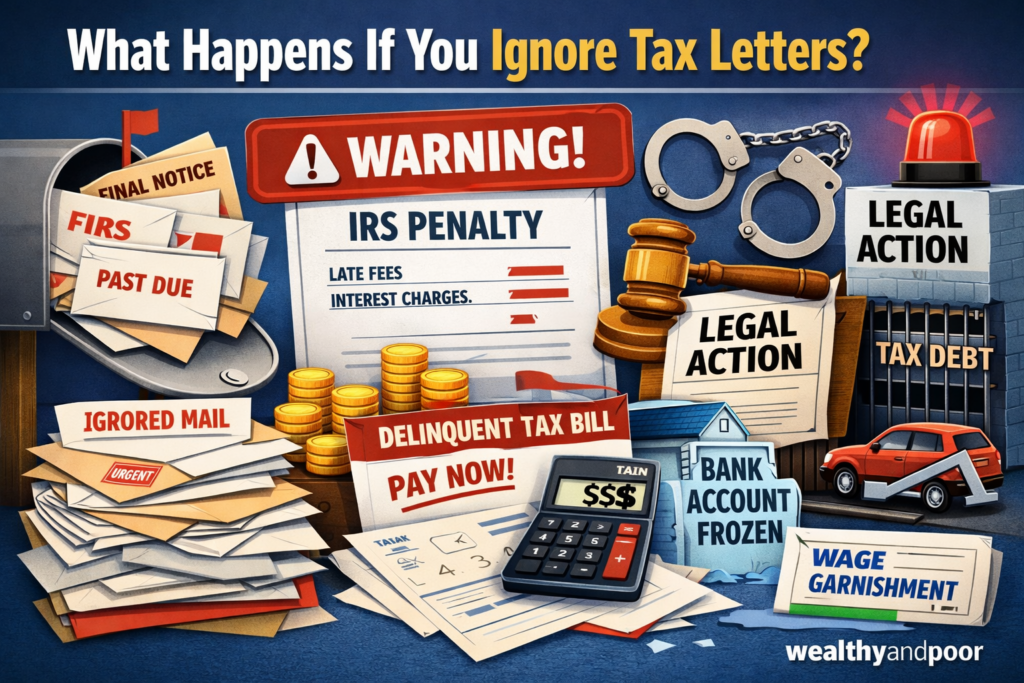

In Nigeria, receiving a tax letter whether from the Federal Inland Revenue Service (FIRS) or a state tax authority can be unsettling. For many individuals and businesses, the instinct is to delay responding, especially when the contents are unclear or financially demanding. However, ignoring tax correspondence is one of the most costly mistakes a taxpayer can make.
Tax letters are not mere administrative formalities; they are official notices that often signal the beginning of a compliance process. Failing to respond can escalate a manageable issue into a serious financial and legal burden. This article explores what really happens when tax letters are ignored, and why timely action is critical.
Understanding Tax Letters in Nigeria
Tax authorities issue different types of letters depending on the situation. These may include:
- Demand notices for unpaid taxes
- Notices of assessment
- Audit invitations
- Requests for clarification or documentation
Each letter carries a specific implication. Some may simply request information, while others indicate that a tax liability has already been determined and must be paid within a stipulated timeframe.
Ignoring any of these communications sends a negative signal to the tax authority that the taxpayer is either unwilling or unable to comply.
Stage One: Accumulation of Penalties and Interest
The immediate consequence of ignoring a tax letter is financial. Once a demand notice is issued and the taxpayer fails to act, penalties and interest begin to accumulate.
These charges are not static. Over time, they can significantly increase the original tax liability. What may have started as a relatively small obligation can grow into a substantial debt, especially for businesses with multiple tax exposures such as VAT, PAYE, and withholding tax.
Importantly, these penalties continue to accrue whether or not the taxpayer acknowledges the letter.
Stage Two: Escalation to Enforcement Actions
When tax authorities receive no response, they typically escalate the matter. This can include:
- Issuing final demand notices
- Engaging enforcement units
- Initiating recovery procedures
At this stage, the tone of communication shifts from advisory to compulsory. The taxpayer is no longer being reminded they are being compelled.
In some cases, tax authorities may involve third parties such as banks or employers to enforce compliance.
Stage Three: Freezing of Bank Accounts
One of the most disruptive consequences of ignoring tax letters is the freezing of bank accounts. Through legal instruments, tax authorities can instruct financial institutions to restrict access to a taxpayer’s funds.
For businesses, this can be devastating:
- Daily operations may halt
Salaries and supplier payments may be delayed
- Business reputation may suffer
For individuals, it can create immediate financial distress and limit access to essential funds.
This step is usually taken after repeated attempts to secure voluntary compliance have failed.
Stage Four: Legal Proceedings
If the issue remains unresolved, tax authorities may initiate legal action. This can involve:
- Filing cases in tax tribunals or courts
- Seeking enforcement orders
- Pursuing recovery through legal channels
Legal proceedings introduce additional costs, including legal fees and potential court-imposed penalties. They also prolong the resolution process, often making the situation more complex than it initially was.
Stage Five: Reputational and Business Risks
Beyond financial and legal consequences, ignoring tax letters can damage a taxpayer’s reputation.
For businesses, this may result in:
- Difficulty securing contracts, especially with government entities
- Loss of investor confidence
- Challenges in obtaining loans or financial support
In an increasingly compliance-driven environment, tax records are often part of due diligence checks. A history of unresolved tax issues can raise red flags for partners and stakeholders.
Why People Ignore Tax Letters
Understanding why taxpayers ignore tax correspondence helps highlight the risks. Common reasons include:
- Fear of large financial obligations
- Lack of understanding of the tax issue
- Assumption that the letter is an error
- Poor record-keeping
- Procrastination
While these concerns are valid, ignoring the problem rarely resolves it. In most cases, it only makes the situation worse.
What You Should Do Instead
- Read and Understand the Letter
Carefully review the content. Identify:
- The type of notice
- The amount involved
- The deadline for response
If anything is unclear, seek clarification immediately.
- Verify the Assessment
Do not assume the tax authority is always correct. Cross-check the figures with your records. Errors can occur, and disputing an incorrect assessment early is easier than after enforcement begins.
- Respond Promptly
Even if you cannot pay immediately, acknowledge the letter. A timely response shows willingness to engage and may prevent escalation.
- Explore Payment Options
If the liability is valid but difficult to settle at once, consider negotiating:
- Installment payment arrangements
- Penalty waivers
- Extended deadlines
Tax authorities are often more flexible with cooperative taxpayers.
- Seek Professional Advice
Accountants and tax consultants can help interpret the letter, assess your position, and guide your response. This is particularly important for complex or high-value cases.
The Advantage of Early Engagement
Responding to tax letters early offers several benefits:
- Prevents accumulation of penalties
- Reduces the risk of enforcement actions
- Opens the door for negotiation
- Preserves your financial stability
In many cases, taxpayers who engage early are able to resolve issues on more favorable terms than those who delay.
Conclusion
Ignoring tax letters in Nigeria is not a harmless delay it is a decision that can trigger a chain of escalating consequences. From mounting penalties to frozen accounts and legal action, the risks far outweigh the temporary relief of avoidance.
Tax authorities are increasingly proactive and technologically equipped to track compliance. As a result, unresolved tax issues rarely disappear on their own.
The smarter approach is simple: engage early, verify the facts, and work toward resolution. Whether through payment, negotiation, or dispute, taking action puts you back in control and prevents a manageable issue from becoming a major crisis.












Comments