
Do YouTubers Pay Tax in Nigeria?
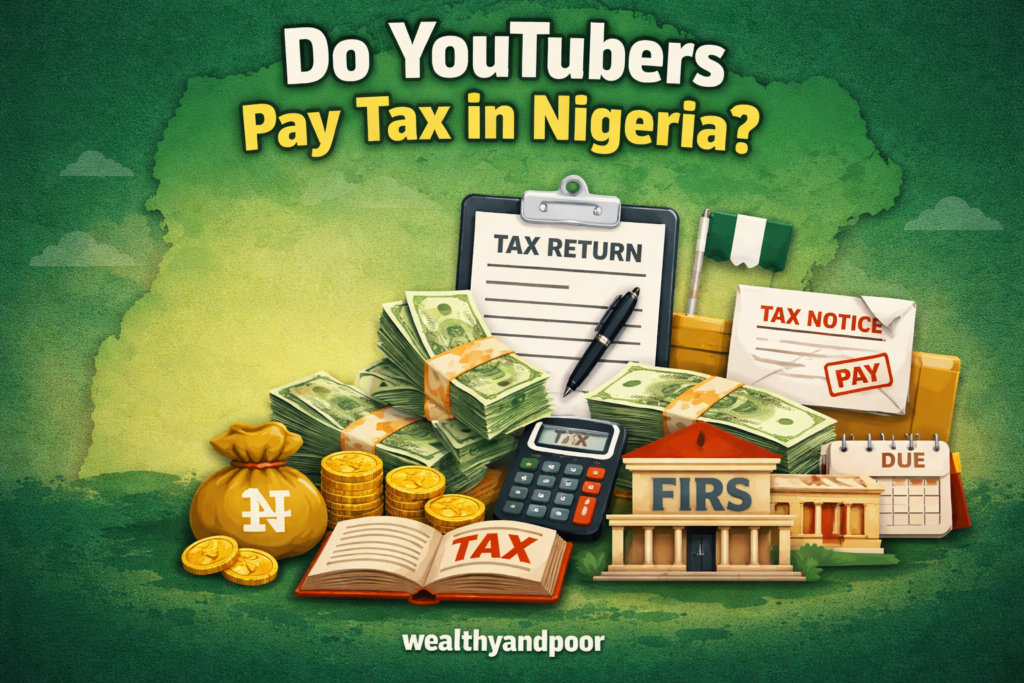

YouTubers in Nigeria are legally required to pay tax on their earnings. As the digital economy continues to grow, income generated from platforms like YouTube is recognized as taxable under Nigerian law. Whether you’re a full-time content creator or earning passively from your videos, the tax obligation still applies.
Here’s a clear, detailed breakdown of how taxation works for YouTubers in Nigeria:
- YouTube income is considered taxable because it falls under personal or business income. Earnings from ads, brand sponsorships, affiliate marketing, and memberships are all treated as legitimate sources of income by the Federal Inland Revenue Service.
- If you are an individual YouTuber, your earnings are taxed under Personal Income Tax (PIT), which is administered by your State Internal Revenue Service. The tax rate is based on a progressive system, meaning the more you earn, the higher your tax rate (ranging from 7% to 24%).
- If you operate your YouTube channel as a registered business (for example, under a brand name or media company), your earnings may be subject to Company Income Tax (CIT), especially if registered with the Corporate Affairs Commission (CAC).
- Monetization from YouTube (Google AdSense payments) is not exempt from tax. Even though payments may come from abroad, Nigerian residents are taxed on their worldwide income.
- YouTubers who earn in foreign currency (e.g., USD) must convert their earnings to naira when calculating their tax liability. Exchange rates used should reflect official or applicable rates at the time income is received.
There is currently no specific “YouTuber tax,” but digital content creators fall under existing tax laws covering freelancers, influencers, and self-employed individuals. - YouTubers are expected to register for a Tax Identification Number (TIN). This is necessary for filing returns, opening business accounts, and staying compliant with tax authorities.
Keeping proper financial records is essential. This includes tracking income from YouTube, expenses (like equipment, internet, editing tools), and any other related costs. These records help in accurate tax filing and may reduce taxable income through allowable deductions.
Failure to declare YouTube income can lead to penalties, interest charges, or legal consequences if discovered during tax audits or investigations. - Some YouTubers may also be liable to Value Added Tax (VAT) if they provide services to Nigerian clients or brands, especially in cases of influencer marketing and sponsorship deals.
With the Nigerian government increasingly focusing on taxing the digital economy, content creators are now more visible to tax authorities than before. Compliance is becoming more important than ever.
The good news is that paying tax also comes with benefits. It improves your financial credibility, makes it easier to access loans, grants, and business opportunities, and keeps you on the right side of the law.
In Conclusion, being a YouTuber in Nigeria is not just about creating content and earning money it also comes with financial responsibilities. Understanding your tax obligations and staying compliant will not only protect your income but also position you as a professional in the growing digital economy.











Comments