42.3bn Remittance Dispute Puts NNPC Limited–FAAC Revenue Flows Under Scrutiny
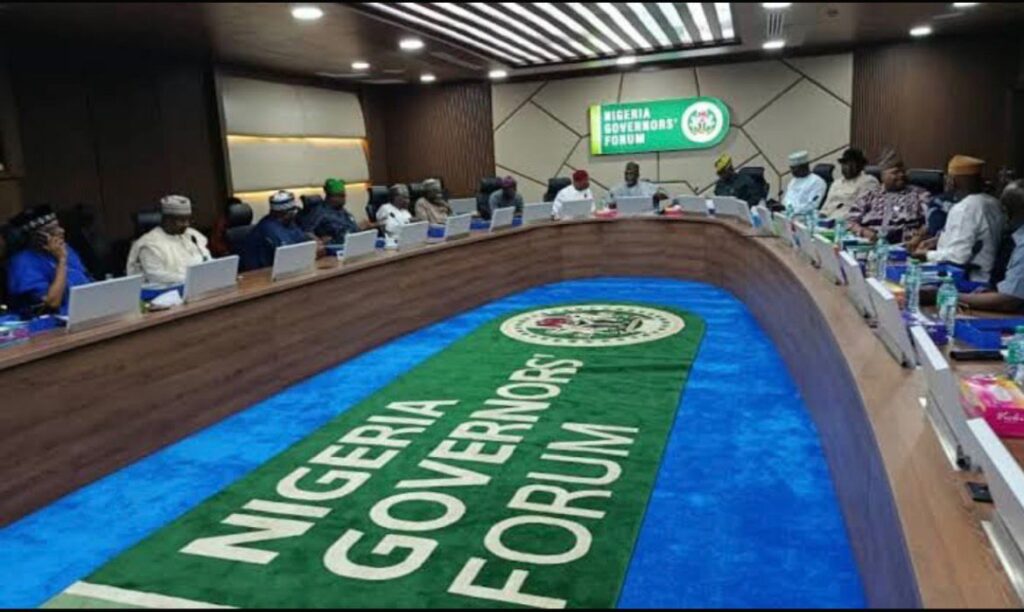

Nigeria’s long-running dispute over oil revenue remittances has resurfaced after the Nigerian National Petroleum Company Limited (NNPC Ltd.) and consultants working with the Federation Account Allocation Committee (FAAC) failed to reconcile an alleged $42.3 billion under-remittance to the federation account.
The disagreement, which has drawn the attention of federal authorities, state governments, and regulators, highlights lingering transparency concerns in Nigeria’s oil revenue management. The issue, which dates back more than a decade, has become a critical fiscal debate because FAAC allocations form the backbone of revenue for the federal, state, and local governments.
Background of the Alleged $42.3bn Under-Remittance
The alleged under-remittance stems from a reconciliation exercise involving oil revenues that should have been transferred to the federation account. According to FAAC documentation reviewed by Nigerian media, the disputed amount $42.37 billion covers the period between 2011 and 2017.
The discrepancy was first flagged during the FAAC post-mortem review, which examines inflows into the federation account from key government revenue agencies.
A consulting firm, Periscope Consulting, was engaged by the Forum of State Commissioners of Finance to review the oil company’s accounts and determine whether the funds were indeed withheld or legitimately deducted.
However, after months of review, both parties have yet to reach a common position on the figures.
NNPC’s Position: “Nothing to Refund”
Officials of the national oil company have strongly rejected claims that the organisation owes the federation account such a large sum.
During recent FAAC reconciliation meetings, representatives of the company insisted that NNPC has no outstanding liabilities requiring refund to the federation account.
The FAAC post-mortem sub-committee report noted that:
- NNPC maintains that all deductions were legitimate and carried out in line with existing petroleum laws and operational agreements.
- The company has requested more time to examine the consultant’s findings and reconcile the figures.
- The reconciliation process remains ongoing and unresolved.
According to the report, the national oil company reiterated that it “has nothing to refund” to the federation account, insisting its accounting processes comply with the relevant regulatory frameworks.
Role of FAAC in the Dispute
The Federation Account Allocation Committee (FAAC) is responsible for distributing revenues collected by the federal government to the three tiers of government.
Members of the committee include:
- The Minister of Finance and Coordinating Minister of the Economy
- The Accountant-General of the Federation
- State commissioners of finance
Representatives of revenue agencies such as NNPC, the Nigerian Upstream Petroleum Regulatory Commission (NUPRC), and the Federal Inland Revenue Service (FIRS).
Because FAAC allocations fund state budgets and public services across Nigeria, unresolved oil revenue discrepancies have major implications for fiscal planning.
State governments have therefore been pushing for greater transparency and accountability in oil revenue remittances.
Governors Demand Clarification
The issue has also triggered reactions from state governors who rely heavily on FAAC allocations.
Earlier FAAC meetings saw governors demand clarity on:
- The reconciliation of the $42.3 billion alleged under-remittance
- The reported write-off of $1.42 billion and ₦5.5 trillion in NNPC debts approved by the federal government
- The utilisation of funds deducted for the Frontier Exploration Fund.
Governors insisted that federal authorities must provide documentary evidence supporting the debt write-offs and explain the basis for deductions made from oil revenues.
The FAAC committee also proposed physical verification of projects financed through the Frontier Exploration Fund, which has received significant allocations from petroleum revenue streams.
Historical Context of the Revenue Dispute
The disagreement over oil revenue remittances is not new.
Nigeria has faced several controversies involving the management of oil proceeds, including disputes over subsidy deductions, production costs, and remittance timelines.
Key issues that have historically affected remittances include:
- Fuel subsidy deductions that reduced net oil revenue transfers to FAAC.
- Operational and joint venture costs incurred by NNPC before revenue distribution.
- Revenue accounting complexities in production-sharing contracts and crude lifting arrangements.
These structural issues have often created disagreements between revenue agencies and fiscal authorities.
Federal Government Moves to Reform Oil Revenue Remittance
In response to repeated concerns about remittances, the Federal Government recently introduced reforms aimed at improving transparency in oil revenue flows.
Under Executive Order 9 of 2026, oil revenues are expected to be remitted directly to the federation account, limiting the role of intermediaries and improving oversight.
Key elements of the reform include:
- Direct remittance of petroleum revenues to FAAC
- Suspension of certain deductions such as management fees and frontier exploration allocations
- Development of transition guidelines to align existing contracts with the new framework.
The reform is designed to ensure that revenues meant for the federation are accounted for more transparently.
- Economic Implications
The unresolved $42.3 billion dispute has significant implications for Nigeria’s fiscal stability.
- Impact on State Finances
Most Nigerian states depend heavily on FAAC allocations to fund public services. Any unresolved revenue gap could affect state budgets and development projects.
- Investor Confidence
Disputes around oil revenue transparency can affect investor perception of governance in Nigeria’s petroleum sector.
- Fiscal Policy and Budget Planning
Nigeria’s national budget relies significantly on oil revenues. Discrepancies in remittances complicate revenue forecasting and deficit management.
What Happens Next?
The FAAC post-mortem sub-committee has directed both parties to continue reconciliation and report back at the next FAAC plenary meeting.
Until both sides agree on a verified figure, the alleged $42.3 billion under-remittance will remain one of Nigeria’s most contentious fiscal issues.
The outcome of the reconciliation process could lead to:
- potential repayments if liabilities are confirmed,
- further audits of oil revenue accounting, or
- regulatory reforms to strengthen transparency in the petroleum sector.
Conclusion
The disagreement over the $42.3 billion alleged under-remittance by NNPC to the federation account underscores longstanding governance challenges in Nigeria’s oil industry. While FAAC consultants and state governments continue to question the figures, the national oil company maintains that no refund is due.
With oil revenues central to Nigeria’s fiscal health, resolving the dispute has become critical for restoring confidence in the management of the country’s most important economic resource.








Comments