
Shoprite Closures Deal Blow to Nigeria’s ₦2.5trn Shopping Mall Economy
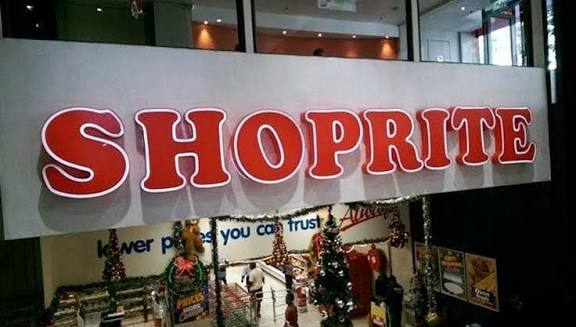

Nigeria’s organised retail and shopping mall ecosystem is facing renewed pressure following the reported shutdown of additional outlets linked to Shoprite, a development analysts say could further weaken the country’s estimated ₦2.5 trillion mall economy.
Once the dominant anchor tenant in most modern shopping centres across Nigeria, Shoprite’s gradual retreat and operational disruptions have triggered concerns about the sustainability of mall-based retail in Africa’s largest economy.
Shoprite entered Nigeria in 2005 with the launch of its first store at The Palms Mall in Lekki, Lagos, introducing large-format modern grocery retailing to millions of Nigerian consumers. Over the years, the South African retail giant expanded aggressively, operating about 25 outlets across 11 cities at its peak and serving as the anchor tenant for several major malls including Ikeja City Mall, Jabi Lake Mall, Polo Park Mall, and Ado Bayero Mall. The retailer became synonymous with Nigeria’s modern retail experience, drawing heavy foot traffic and supporting thousands of direct and indirect jobs within supply chains and retail services.
However, recent store closures and restructuring efforts have significantly altered the landscape. Several outlets have either scaled down operations or shut their doors entirely, with operators citing harsh macroeconomic conditions, rising operational costs, and declining consumer purchasing power. In Abuja, for instance, the company confirmed the closure of its Wuse store at Novare Central Mall after reviewing the outlet’s financial performance in light of the challenging business environment.
Industry analysts say the development is particularly significant because large supermarkets like Shoprite serve as “anchor tenants” for shopping malls. Their presence typically attracts customers, drives foot traffic, and supports smaller retailers such as fashion stores, restaurants, electronics outlets, and entertainment facilities. Without such anchors, many malls struggle to maintain visitor numbers and rental viability, potentially threatening the broader mall ecosystem that has emerged in Nigeria over the past two decades.
Nigeria’s mall economy, estimated at roughly ₦2.5 trillion in annual retail activity, relies heavily on these anchor tenants to sustain commercial viability. When large retailers scale back or close outlets, the ripple effects often extend to property developers, service providers, logistics companies, and small retailers operating within these complexes. Lower foot traffic can quickly translate into declining sales, higher vacancy rates, and reduced rental income for mall operators.
Shoprite’s difficulties are also linked to broader structural challenges within Nigeria’s economy. Analysts point to exchange rate volatility, persistent inflation, and high import costs as major pressures on multinational retailers operating in the country. For businesses that rely heavily on imported products, the depreciation of the naira significantly raises procurement costs while simultaneously eroding the purchasing power of consumers.
Despite the shutdown of some outlets, Shoprite operators insist the development should not be interpreted as a full exit from the Nigerian market. Retail Supermarkets Nigeria Limited (RSNL), the company managing the brand locally after its acquisition from the South African parent company, has described the restructuring as part of a strategic “reset” aimed at adapting the business to Nigeria’s economic realities. The new strategy focuses on smaller store formats, stronger local sourcing of products, and improved operational efficiency to remain competitive in the market.
For Nigeria’s retail and property sectors, however, the closures highlight deeper concerns about the viability of the country’s mall-driven retail model. Many of the malls built in the last two decades were designed around large international anchor tenants, and the absence of such brands could force developers to rethink leasing structures and tenant mix.
As consumer spending patterns continue to shift amid economic uncertainty, industry observers say the future of Nigeria’s mall economy may depend on a greater emphasis on local retailers, entertainment offerings, and flexible retail formats that better align with the country’s evolving consumer behaviour.












Comments