
Energy Shock: Cooking Gas Rises 40% to ₦1,400/Kg Over Middle East crisis


The price of Liquefied Petroleum Gas (LPG) widely known as cooking gas in Nigeria has shot up dramatically, climbing roughly 40 % to about ₦1,400 per kilogram, in what industry experts link directly to escalating geopolitical tensions in the Middle East.
This steep surge comes at a time when households and businesses nationwide are already struggling with rising costs of living, and the latest development underscores how vulnerable Nigeria’s energy market remains to global supply shocks.
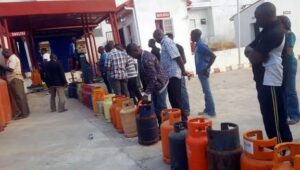
According to multiple market checks and industry sources, the ex-depot price of LPG the cost at major storage terminals before retail markup has jumped to around ₦18 million per 20 metric tonnes (MT) from about ₦15.95 million just a week ago.
This translates to retail rates of around ₦1,400 per kg, compared with roughly ₦1,000 per kg previously. Some depots across Lagos and other cities have been observed quoting even higher figures, at times approaching ₦19 million per 20 MT.
The price surge is widely attributed to disruptions in oil production and shipping routes linked to the ongoing conflict involving the United States, Israel and Iran, which has affected key energy infrastructure in the Strait of Hormuz, a waterway responsible for a significant proportion of global oil and gas shipments.
These destabilizing events have fuelled volatility in international crude and LPG markets, with knock-on effects for import-dependent countries like Nigeria.
Industry leaders, including the National President of the Nigerian Association of Liquefied Petroleum Gas Marketers, Inyang Edu, have explained that while Nigeria does produce a significant amount of LPG locally including supply from the Dangote Refinery the country still relies on imported volumes and international price benchmarks. Once global prices escalate, local suppliers often have little choice but to pass higher costs through the distribution chain to retailers and end consumers.
Market observers note that the story mirrors broader energy price adjustments already seen in Nigeria’s fuel sector. Reports indicate that ex-depot prices of petrol and diesel have also risen in response to rising crude benchmarks, adding further pressure on consumers and transport costs.
Overall, the 40 % surge in cooking gas prices reflects both global supply vulnerabilities and local market dynamics, highlighting the need for coordinated policy responses, improved domestic supply resilience, and targeted support measures to cushion households from volatile external shocks.












Comments