
Naira Rallies 4.31% in February Despite CBN’s Dollar Purchases
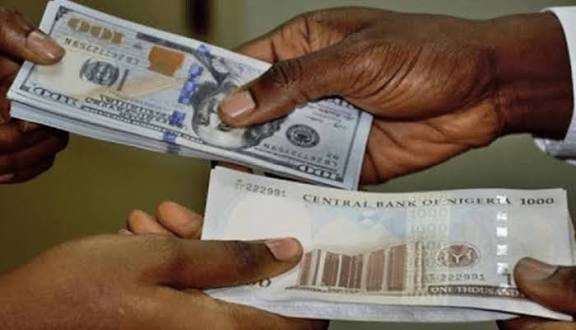

Nigeria’s currency, the naira, delivered a notable performance in February 2026, strengthening by 4.31% against the US dollar even as the Central Bank of Nigeria (CBN) stepped into the foreign exchange (FX) market to moderate the pace of appreciation. The resilience of the naira reflects a complex mix of market dynamics, policy interventions, and global economic influences that are reshaping investor sentiment and currency flows.
Market Dynamics: Stronger Naira Despite CBN Intervention
According to the Financial Market Dealers Association (FMDA), the naira appreciated across both the Nigerian Foreign Exchange Market (NFEM) and the parallel (black) market over the course of February, leading to a cumulative gain of 4.31%. This improvement came despite the CBN’s late-month dollar purchases, which were designed to prevent what policymakers described as an “excessive currency rally.”
Market participants noted that the CBN’s action buying dollars to add liquidity and check sharp currency gains did little to stem the broader strengthening trend. The apex bank’s strategy contrasts with traditional defensive measures, where authorities typically sell dollars to support local currency values. However, in this case, the CBN aimed to avoid abrupt strengthening that might distort investor positions in Nigeria’s fixed-income markets.
Several key factors have underpinned the naira’s improved performance:
- Rising Oil Prices: Nigeria’s status as a major oil exporter means that global crude price upticks bolster FX inflows. Higher oil earnings enhance external liquidity and support the naira. In February, crude prices hovered near significant highs amid geopolitical tensions in the Middle East, which tightened supply expectations and helped sustain dollar inflows.
- Improved External Reserves: Nigeria’s gross foreign exchange reserves climbed to around $50.45 billion as of mid-February 2026, while net reserves surged to approximately $34.8 billion by the end of 2025 — a dramatic increase from previous years. Central Bank Governor Olayemi Cardoso attributes these gains to stronger external fundamentals and policy reforms aimed at restoring credibility in FX management.
- Foreign Portfolio Inflows: Analysts have highlighted growing participation by foreign investors in Nigerian financial assets, particularly in fixed-income instruments, which has translated into sustained FX inflows and increased demand for the naira.
Short-Term Pressures Still Evident
Despite February’s gains, short-term volatility persists. Late in the month, data showed the naira softened slightly to around ₦1,384 per dollar at the official window, reflecting ongoing demand pressures as import needs and other dollar requirements weighed on liquidity. The parallel market also saw marginal weakening trends toward the end of the period.
Analysts warn that while the broader appreciation is a positive sign, structural FX market challenges including supply-demand imbalances and speculative positioning remain potent forces that could disrupt gains.
As Nigeria moves into the second quarter of 2026, the trajectory of the naira will continue to hinge on several variables: global oil price trends, foreign exchange policy consistency, FX liquidity conditions, and external economic shocks, including geopolitical developments. While February’s performance offers cautious optimism, managing the dual goals of stability and competitiveness will remain central to Nigeria’s currency strategy.
In summary, the naira’s unexpected rally even in the face of deliberate CBN intervention reflects deeper shifts in Nigeria’s FX landscape. Enhanced external buffers, supportive commodity prices, and growing investor confidence are strengthening the currency’s footing. Yet, short-term pressures and structural market challenges remind policymakers and investors that stability is a delicate balance, requiring vigilant oversight and agile response.











Comments