
PETROAN Warns Petrol Price Could Hit ₦2,000 per Litre, Urges NNPC to Resume Refinery Operations
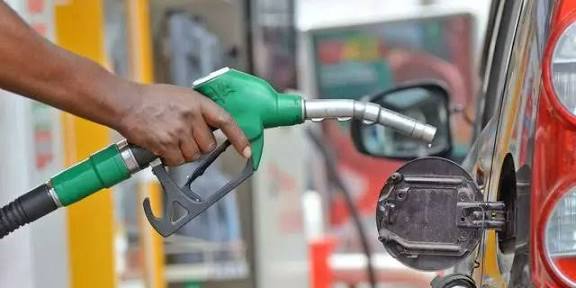

Nigeria’s downstream petroleum sector is under intense pressure as fuel prices continue a steep upward trajectory, prompting fresh warnings from industry stakeholders. The Petroleum Products Retail Outlets Owners Association of Nigeria (PETROAN) has cautioned that the pump price of Premium Motor Spirit (PMS) — commonly known as petrol — could surge to as high as ₦2,000 per litre if domestic refiners are not brought fully online to cushion Nigeria from global market shocks.
Speaking in Port Harcourt, PETROAN National President Billy Gillis‑Harry flagged the ongoing geopolitical tensions in the Middle East — particularly the confrontation involving Iran, Israel and the United States — as a key driver of rising crude and petrol prices. The conflict has disrupted critical oil supply routes and heightened uncertainty in global energy markets, exerting upward pressure on commodity prices that are now filtering into the Nigerian market.
Current Price Realities and Market Dynamics
Across major cities including Lagos, Abuja, and Kano, petrol prices have crossed the ₦1,000 per litre mark, with some filling stations reporting prices as high as ₦1,200 per litre amid volatile market conditions. Recent adjustments by the Nigerian National Petroleum Company Limited (NNPCL) saw pump prices rise sharply — increasing from around ₦967 to about ₦1,082 per litre within a 24‑hour span at several outlets, making this the second price correction in under a day.
Retail stations operated by other marketers including MRS, Eterna Plc, and AA Rano have followed suit, pushing prices beyond the ₦1,000 threshold as businesses and commuters brace for higher transport and logistics costs.
PETROAN’s Call to Action
PETROAN is urging NNPC Ltd. and relevant authorities to restart and maximize output from Nigeria’s domestic refineries, particularly the Port Harcourt Area 5 plant and the Warri Refinery. According to Gillis‑Harry, reviving local refining capacity is essential to reduce Nigeria’s dependence on imported refined products and mitigate the impact of external price shocks.
“We must strengthen and fully operationalize our refineries if we are to shield Nigerians from global petroleum market volatility,” he said, warning that prolonged instability could push PMS prices close to ₦2,000 per litre and Automotive Gas Oil (diesel) toward ₦3,000.
Economic Risks of Continued Fuel Price Inflation
Industry experts warn that unchecked fuel price increases would ripple across the broader economy:
- Inflationary pressures as transport and logistics costs climb.
- Rising costs of goods and services, squeezing household budgets.
- Potential job losses in sectors sensitive to energy costs.
- Increased operational costs for manufacturing and industrial users dependent on diesel.
PETROAN further stressed that repairing and scaling up Nigeria’s refineries could help stabilize prices over the medium to long term, especially given the country’s abundant crude oil resources under NNPC’s control.
Regulatory Perspective and Market Forces
The Nigerian Midstream and Downstream Petroleum Regulatory Authority (NMDPRA) has reiterated that fuel price fluctuations are a natural outcome of Nigeria’s deregulated downstream petroleum framework, where prices are set by prevailing market conditions rather than government caps. According to the regulator, recent hikes reflect supply and demand dynamics driven by global crude price trends.
As global crude benchmarks remain elevated amid geopolitical uncertainties, Nigeria’s fuel sector faces a critical juncture. With domestic refinery output below required levels and international crude costs high, the industry’s call for a strategic activation of local refining assets could not be timelier. How effectively NNPC Ltd. and policymakers respond in the coming weeks may determine whether Nigerians avoid the more severe price thresholds now being forecast.











Comments