Do Instagram Sellers Pay Tax in Nigeria?
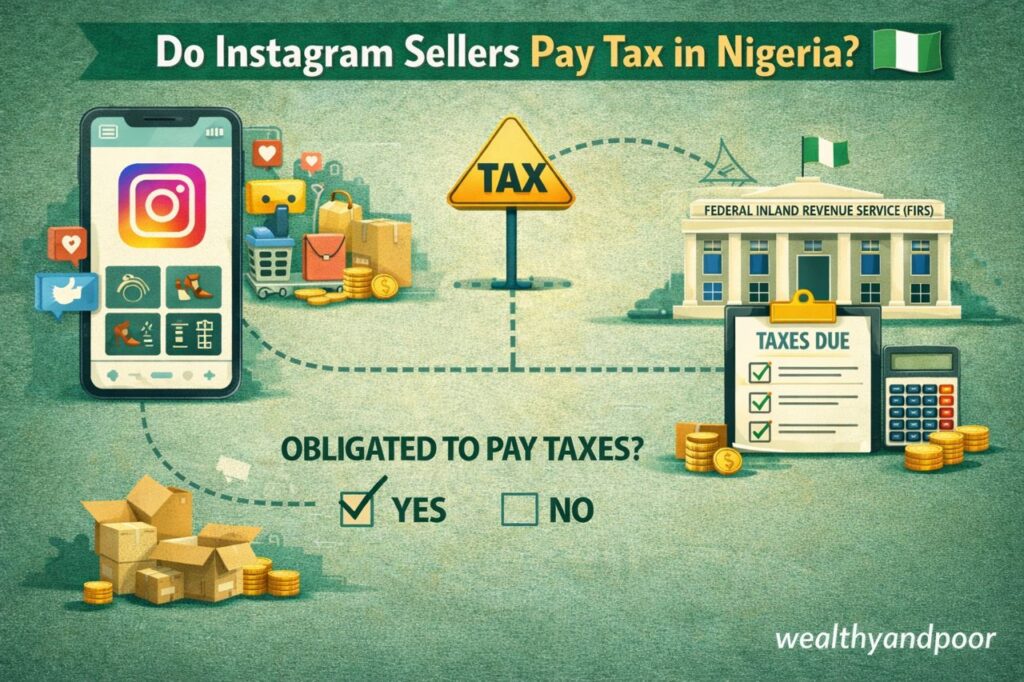

In Nigeria today, selling products on Instagram, TikTok, WhatsApp or other social platforms isn’t technically different from running a small shop the law still treats the income you generate as taxable. The growing digital economy has raised important questions about who pays what, when, and how. Yet there remains widespread confusion and many sellers go years without fulfilling their tax obligations often unknowingly.
This article breaks it down clearly.
What Tax Law Says — In Simple Terms
Nigeria’s tax system doesn’t currently have a special law just for Instagram sellers. Instead, online income falls under existing categories of taxation:
- Personal Income Tax (PIT)
You must pay income tax on profit earned from business activities including Instagram sales just like any trade or profession. This is under the Personal Income Tax Act.
It is generally administered by the State Internal Revenue Service where you reside.
- Company Income Tax (CIT)
If you register your Instagram venture as a company (LLC), profits are taxed under Company Income Tax rules.
- Value Added Tax (VAT)
If you sell goods or services that are vatable, you’re expected to register for VAT, charge 7.5% on sales where applicable, and remit this to the Federal Inland Revenue Service (FIRS).
- Other Levies
Withholding tax (when applicable).
Local government levies.
In short, yes — Instagram sellers legally have to pay tax when they earn profit, meet VAT thresholds, or run a registered business. The law doesn’t exempt income just because it came through a social app.
Practical Reality: Many Don’t Pay Yet
Despite clear tax laws, research shows most Instagram vendors in Nigeria don’t pay taxes. A study by TheCable found that about 86% of Instagram sellers surveyed had not paid any form of tax including income tax or VAT despite selling VATable goods online.
The reasons are common:
- Lack of awareness about tax obligations.
- No formal business registration (so no Tax Identification Number – TIN).
- Fear that the government misuses tax revenue, making compliance feel pointless.
- Perception that small online sellers are “off the radar” and won’t be tracked.
Tax authorities are aware of this gap and have signalled stronger enforcement. For instance, the Corporate Affairs Commission (CAC) has urged content creators and online sellers to register their businesses, noting that failure to pay tax is not acceptable.
What If Your Income Is Small?
Some sellers believe they don’t pay tax because they earn “just a little.” That’s an understandable instinct, but the law treats tax obligations based on income, not platform:
- Even if your profit is small, you may still need to file a tax return.
- Under Nigeria’s updated tax framework (effective 2026), the first ₦800,000 of taxable income is tax-free, but you must still file a return.
- If you earn above that limit, you pay income tax on the amount above it.
So a tiny shop on Instagram with minimal profit still has a legal requirement to file with the tax authorities even if tax owed is zero.
How Instagram Sellers Should Register and Pay
If you’re serious about your Instagram business, here’s a clear roadmap many experts recommend:
- Register Your Business
Decide if you want to operate as a sole proprietor/business name or as a Limited Liability Company (LLC) via the CAC.
- Get a Tax Identification Number (TIN)
This is mandatory for tax filing for either personal or corporate tax.
- Open a Business Bank Account
Recommended to separate personal and business transactions.
- Track Your Income & Expenses
Record all sales, receipts, and costs profit forms the basis of tax.
- File Tax Returns Annually (and VAT Monthly if Applicable)
Income tax returns by March 31 each year.
VAT, if registered, typically monthly.
- Pay Taxes Owed
Personal or company income tax depends on your structure.
VAT must be charged to customers, collected, and remitted.
Good bookkeeping and professional tax advice can make all this much easier and save penalties later.
Consequences of Not Paying Tax
Tax evasion isn’t just ignored it’s illegal. Even if authorities haven’t had the capacity to chase every Instagram seller yet, penalties and enforcement are becoming stronger as digital income grows.
If you fail to register, file, or pay:
- You may be fined.
- You might face interest charges on unpaid amounts.
- Your business could be flagged in future audits.
The narrative that “Instagram is a tax haven” is still common among sellers, but it’s not legally accurate.
Conclusion
Yes Instagram sellers in Nigeria are legally required to pay tax when they earn income from their activities. The types of taxes that might apply include:
Personal Income Tax
Company Income Tax
Value Added Tax (VAT)
Withholding Tax and Local Levies
Many sellers currently don’t comply mainly due to lack of awareness but this doesn’t change the legal obligations. With recent reforms and stronger enforcement, staying compliant is not just safe, it’s increasingly essential for long-term success.










Comments