
How to Dispute Wrong Tax Charges in Nigeria
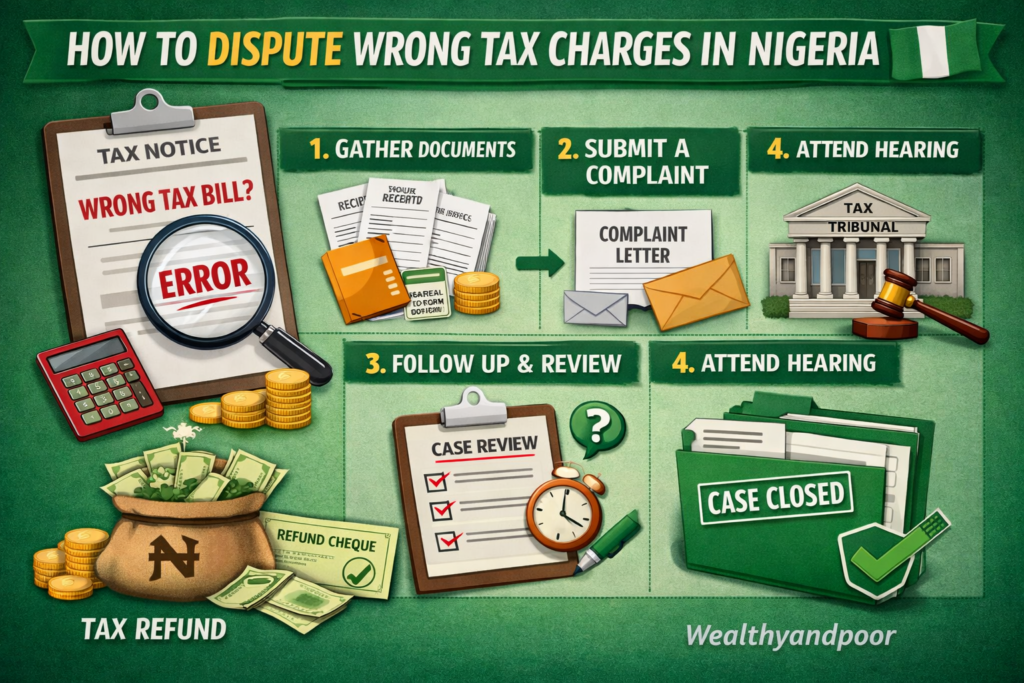

In Nigeria’s evolving tax environment, disputes over incorrect tax assessments, excessive deductions, or multiple levies are becoming increasingly common. From salary earners facing unexplained deductions to small business owners battling overlapping taxes, the issue reflects deeper structural challenges within the system. Recent concerns raised by lawmakers over “excessive tax deductions” and multiple charges highlight how taxpayers are often left to question the accuracy and fairness of what they are asked to pay
Understanding how to properly dispute wrong tax charges is therefore essential not just to protect your finances, but also to enforce accountability within the tax system.
Understanding Wrong Tax Charges
Wrong tax charges can arise in several ways. These include:
- Incorrect tax assessment (overstated income or profits)
- Double taxation by multiple authorities
- Unauthorized deductions from salaries or bank accounts
- Application of wrong tax rates
- Failure to apply exemptions or reliefs
Nigeria’s complex tax structure where federal, state, and local agencies may all impose levies creates room for errors and overlaps. This complexity is one reason many taxpayers experience disputes in the first place.
- Verify the Tax Assessment
Before initiating a dispute, carefully review the tax notice or deduction.
Check for:
- Your declared income versus assessed income
- Applicable tax rates
- Reliefs such as pension contributions or personal allowances
- Any duplicated charges
If you are dealing with a salary deduction, compare it with your payslip and employer’s remittance records. For businesses, reconcile the assessment with your financial statements.
Errors at this stage are often due to misreporting, outdated records, or system mismatches.
- Gather Supporting Documents
A strong dispute is evidence-driven. Relevant documents may include:
- Tax Identification Number (TIN) records
- Payslips or income statements
- Bank statements
- Receipts of previous tax payments
- Contracts or invoices (for businesses)
- Correspondence with tax authorities
Organizing these documents clearly will strengthen your position and speed up the resolution process.
- Write a Formal Objection Letter
Under Nigerian tax laws, a taxpayer has the right to object to an assessment. This is typically done through a written notice of objection.
Your letter should include:
- Your full name or business name
- TIN and contact details
- Reference number of the tax notice
- Specific reasons for disputing the charge
- Supporting evidence (attached)
- A clear request for review or correction
Timing is critical. In most cases, objections must be filed within 30 days of receiving the assessment. Missing this window can weaken your case or make the assessment final.
- Submit to the Appropriate Tax Authority
Your objection should be submitted to the relevant authority, depending on the type of tax:
- Federal taxes (e.g., Company Income Tax, VAT): Federal Inland Revenue Service (FIRS)
- Personal Income Tax: State Internal Revenue Service
Ensure you receive an acknowledgment of submission. This serves as proof that your objection is officially recorded.
- Engage in the Review Process
Once submitted, the tax authority will review your objection. This may involve:
- Requests for additional documentation
- Meetings or clarifications
- Reconciliation of records
At this stage, cooperation is key. Prompt responses and clear communication can significantly influence the outcome.
- Escalate if Necessary
If the tax authority rejects your objection or fails to respond satisfactorily, you can escalate the matter. Options include:
- Tax Appeal Tribunal (TAT)
- Federal High Court (for further legal action)
The Tax Appeal Tribunal serves as an independent body that resolves disputes between taxpayers and tax authorities. It is often faster and less formal than traditional court processes.
Common Mistakes to Avoid
When disputing tax charges, many taxpayers unknowingly weaken their case. Avoid:
- Ignoring tax notices until penalties accumulate
- Submitting incomplete documentation
- Missing objection deadlines
- Using informal or verbal complaints instead of written communication
- Failing to keep records of correspondence
A structured and documented approach always yields better results.
The Bigger Picture: Why Disputes Are Increasing
Tax disputes in Nigeria are not occurring in isolation. They reflect broader systemic issues, including:
- Overlapping tax jurisdictions
- Weak data integration across agencies
- Increased revenue pressure on government
- Limited taxpayer education
At the same time, reforms are underway to address inefficiencies and reduce unfair burdens. Policymakers have acknowledged that the system often places disproportionate pressure on ordinary taxpayers while gaps remain in enforcement at higher income levels
For individuals and businesses, this means vigilance is more important than ever.
Practical Tips for Taxpayers
To reduce the likelihood of future disputes:
- Keep accurate and up-to-date financial records
- File tax returns on time
- Regularly review deductions and tax statements
- Work with a qualified tax consultant when necessary
- Maintain copies of all tax-related communications
Prevention is always easier and cheaper than dispute resolution.
Conclusion
Disputing wrong tax charges in Nigeria is not only your right but a necessary step toward ensuring fairness in the system. While the process may seem bureaucratic, a clear understanding of the steps from verifying assessments to escalating disputes can significantly improve your chances of success.
As Nigeria continues to refine its tax framework, informed and proactive taxpayers will play a crucial role in shaping a more transparent and accountable system.










Comments