
CBN Gives Update on Nigerian Banks’ Recapitalization Compliance
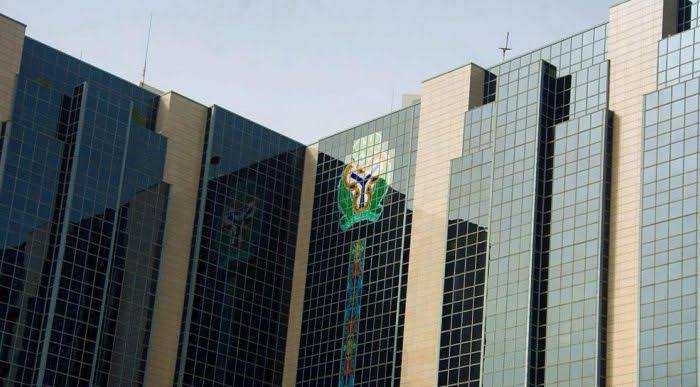

Central Bank of Nigeria (CBN) has provided a significant update on the ongoing recapitalization exercise for the nation’s commercial banks, affirming notable progress as the March 31, 2026 deadline approaches. This recapitalisation initiative, aimed at strengthening the resilience, competitiveness, and stability of Nigeria’s banking sector, continues to gain traction with a growing number of banks meeting the new capital requirements.
At a recent economic summit in Lagos, CBN Deputy Governor Dr. Muhammad Abdullahi put numbers on that momentum: “We have about 20 banks that have already met it. A number of banks are meeting it every day. They’re huge. It’s very busy within CBN today, tomorrow, and through to March, as you can imagine.
That’s a meaningful uptick from where the sector stood even late last year, when reports showed around 16 banks had hit the new capital thresholds.
What the Recapitalization Means
The recapitalization drive was introduced by the CBN in March 2024, mandating higher minimum capital thresholds for Nigerian lenders. Under the revised framework:
- International commercial banks are required to maintain a minimum capital base of N500 billion,
- National banks must hold at least N200 billion, and
- Regional banks must meet a minimum of N50 billion in capital
Several banks have made notable strides in meeting these demands.
- Access Bank – raised roughly ₦351bn through a rights issue; capital base now over ₦600bn.
- Zenith Bank – raised over ₦350bn via rights and public offers.
- Fidelity Bank – raised about ₦259bn in a private placement, lifting its capital above ₦500bn.
- First Bank of Nigeria – met the ₦500bn requirement through a mix of rights issues, private placement, and strategic shareholder support.
- United Bank for Africa (UBA) – crossed the minimum threshold following a hefty rights issue Guaranty Trust Bank (GTBank) – backed by Guaranty Trust Holding Company’s capital infusion.
National & Regional Banks (₦200bn and ₦50bn thresholds)
These banks serve major sectors of the economy and small-medium businesses across Nigeria:
- Citibank Nigeria – met the national capital requirement.
- Ecobank Nigeria – successfully raised capital to meet its minimum.
- Wema Bank – completed a ₦150bn rights issue and now exceeds its threshold.
- Globus Bank – through staged capital raises, fulfilled its requirement.
- Stanbic IBTC, Sterling Bank, Providus Bank, TAJ Bank, Alternative Bank – all confirmed to be in compliance as of the latest CBN listing
- Premium trust Bank – a younger player that has exceeded its capital requirement through rights and private placement.
Others that have met merchant or specialized requirements include Rand Merchant Bank Nigeria, which hit its threshold for merchant banks.
Why This Matters More Than Numbers
From an analyst’s perspective, the recapitalization isn’t just about hitting a number — it’s about stability, confidence, and future growth:
- A stronger capital base means banks can lend more to businesses and households without risking insolvency in times of stress.
- It reassures markets and investors that Nigerian banks can compete regionally and globally.
- For customers, it signals that their deposits are sitting in institutions with healthier buffers.
The CBN has underscored the recapitalization exercise as part of its commitment to a sound and resilient banking system. The apex bank continues to stress that the enhanced capital requirements will position Nigerian banks to better support economic growth and mitigate systemic risks. As the March 31, 2026 deadline draws closer, regulators and industry stakeholders are keenly watching how the remaining institutions will respond — whether through capital raises, strategic alliances, or market operations aimed at attracting investment












Comments