
Can You Reverse a Wrong Bank Transfer

Accidentally sending money to the wrong person whether because of a typo, rushing a payment, or simple human error is something many Nigerians experience.
With mobile apps and online banking making transfers fast and easy, mistakes can happen just as quickly.
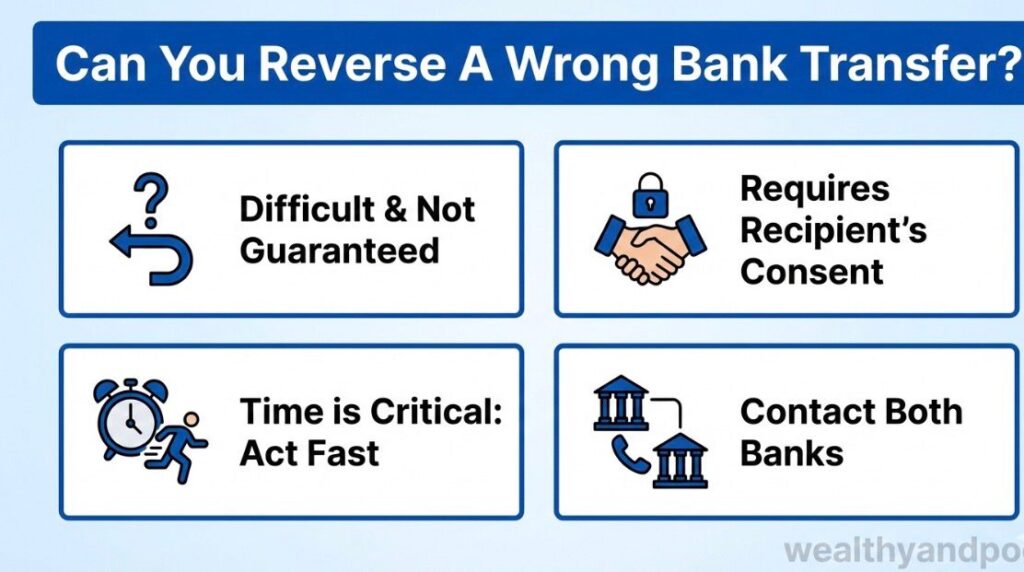
But once the money is gone, can it be reversed? The short answer is: sometimes but not always, and it depends on what happens next.
Understanding the rules, the bank’s role, and the legal steps can make a big difference if you ever find yourself in this situation.
Why Wrong Transfers Happen
Wrong transfers in Nigeria usually occur because:
- A wrong account number was entered
- The recipient’s bank was selected incorrectly
- Copy paste errors with account details
- Fast transfers before double checking the details
Once the transaction completes, the money moves instantly through systems like NIBSS Instant Payments so the bank cannot simply “undo” the transfer immediately. Your next steps matter.
Can the Bank Reverse the Money Immediately?
Not automatically. Unlike undoing a message, banks cannot generally reverse a transfer on their own without permission.
Nigerian banks treat each transfer as final once it is authorized by the sender (for example, with an OTP or PIN). Even if it was an honest mistake, banks cannot simply debit another customer’s account without their consent or a legal order.
Here’s what usually happens:
- Reporting to Your Bank Immediately :
As soon as you discover the wrong transfer, contact your bank right away either through the customer care line or by visiting a branch. Provide details such as:
- Your account number
- The wrong recipient’s account number
- Transaction ID
- Amount and date/time of the transfer
Your bank will typically notify the recipient’s bank of the error and may place a Post No Debit (PND) restriction on the amount which limits the recipient’s ability to withdraw that money while the case is looked into.
- Recipient Must Consent to Reversal :
If the recipient agrees the transfer was a mistake, they can sign a consent form with their bank. Once that happens, the bank can reverse the transfer and return the money to you. This is the easiest and fastest outcome.
- What If the Recipient Refuses or Doesn’t Respond? :
If the person who received the funds refuses to return the money:
The bank cannot force a reversal on its own.
- You may need to take legal action to get a court order that compels the bank to reverse the transaction.
- Only a valid court order not just an affidavit can legally force this reversal without the recipient’s consent.
This is because Nigerian banking law protects customer accounts and privacy, and banks cannot debit someone’s account without authorization or legal backing.
Legal Steps to Force a Reversal
If the recipient won’t cooperate, here’s the typical legal path people follow:
- File a Court Case :
You must file a claim in a Magistrate or High Court asking for an order that the bank reverses the incorrect transfer. The choice of court usually depends on the amount involved. - Provide Evidence:
Your lawyer will submit documents such as: - The bank statement showing the mistaken transfer
- Your written complaint to the bank
- An affidavit detailing the situation
The more evidence you have, the stronger your case.
Court Order and Bank Action
Once the court grants the order, you serve it on the receiving bank. The bank’s legal team will verify it and then credit the wrongly transferred amount back to your account. This process may take some days, but once the order is valid, the bank must comply.
If the recipient has already withdrawn part or all of the money, the court can allow a lien on the person’s Bank Verification Number (BVN), helping the bank recover funds from other accounts linked to the recipient.
Important Rules You Should Know
Here are some key points under Nigerian regulations:
- You Must Act Quickly :
The sooner you report the error, the better. Delays make it harder to freeze the funds before the recipient withdraws them. - Banks Try to Protect Both Parties:
Banks balance the interests of both the sender and the receiver. They’re careful not to violate another customer’s rights by reversing funds without proper authority. - Court Order Is Often Essential :
An affidavit alone is not enough to force the reversal only a court order has legal force.
Tips to Avoid Wrong Transfers in Nigeria
Prevention is always better than cure. Here are solid tips:
- Always double-check account numbers and bank names before confirming a transfer.
- Use the “verify account name” feature many Nigerian banks offer before sending money.
- Save transaction receipts until you’ve confirmed the recipient received the correct funds.
- Use QR or saved payee lists when possible to avoid manual entry errors.
Final Thoughts
A wrong bank transfer can be stressful, but it’s not always the end of the story. If you report it early, seek the recipient’s cooperation, and involve your bank promptly, many cases are resolved without going to court.
However, if the other party refuses to cooperate, legal intervention is often necessary.
Understanding the legal environment, your rights, and the bank’s responsibilities in Nigeria can help you navigate this situation more confidently and protect your hard-earned money.












Comments