
Inside the Brokers Powering Over 60% of Nigeria’s Stock Market Trades
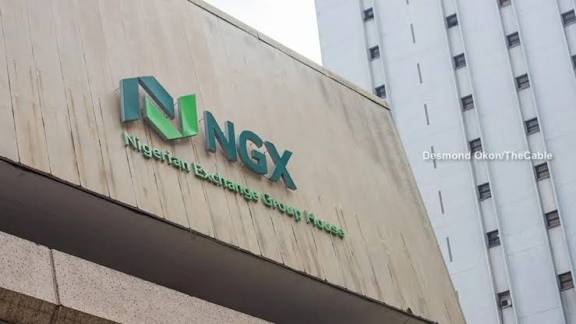

Nigeria’s stock market has increasingly become a game of scale, sophistication, and influence, and nowhere is this more evident than in the dominance of a small group of brokerage firms that now drive the bulk of trading activities on the Nigerian Exchange Limited (NGX).
In 2025, just ten stockbrokers were responsible for well over 60 percent of total equities traded on the Exchange, underscoring their growing control over liquidity, price discovery, and investor access in the country’s capital market.
Data from the NGX and reports by leading Nigerian financial news platforms show that these brokers collectively executed transactions valued at more than ₦7 trillion within the year.
This concentration reflects a combination of strong institutional relationships, advanced trading infrastructure, and deep client trust built over years of consistent performance.
For many pension funds, asset managers, foreign portfolio investors, and high-net-worth individuals, these firms have become the primary gateways into Nigeria’s equities market.
At the forefront of this group is Cardinal stone Securities, which emerged as the single largest broker by value of trades. The firm accounted for a significant share of total market turnover, driven largely by its dominance in large-cap stocks and its close ties with institutional investors.
Chapel Hill Denham Securities followed closely, reinforcing its position as a major force in equity execution and investment banking transactions. Together, the two firms handled a sizeable portion of high-value trades that shaped market movements throughout the year.
Stanbic IBTC Stockbrokers also maintained a strong presence, benefiting from its integration within a broader financial services group and its ability to attract both domestic and foreign investors.
First Securities Brokers and Cordros Securities continued to rank among the most active players, leveraging their strong retail networks alongside growing institutional mandates.
Their consistent appearance in the top tier highlights the importance of combining market research, execution efficiency, and client engagement in sustaining brokerage relevance.
Meristem Stockbrokers and United Capital Securities reinforced their standing through a blend of retail participation and institutional transactions, while EFG Hermes Nigeria played a critical role in channeling foreign portfolio flows into Nigerian equities.
ABSA Securities Nigeria and APT Securities and Funds completed the list, reflecting renewed institutional confidence and increasing activity in both equities and fixed-income related trades.
Despite these challenges, market analysts largely view the influence of the top ten brokers as a reflection of the Nigerian capital market’s gradual maturation.
Their ability to mobilize capital, support large transactions, and maintain operational resilience has strengthened the Exchange’s appeal to both local and international investors.
As Nigeria’s economy continues to adjust to macroeconomic reforms and changing investor sentiment, these brokers are likely to remain central to how capital is raised, traded, and allocated within the market.
In many ways, the story of Nigeria’s stock market today is inseparable from the story of these ten firms.
Their strategies, execution capacity, and risk management decisions now play a decisive role in shaping market outcomes, making them not just intermediaries, but key architects of the Exchange’s evolving structure.
Read Also:









Comments