N300bn USSD Debt Standoff Ends as Banks Reach Landmark Settlement with Telcos
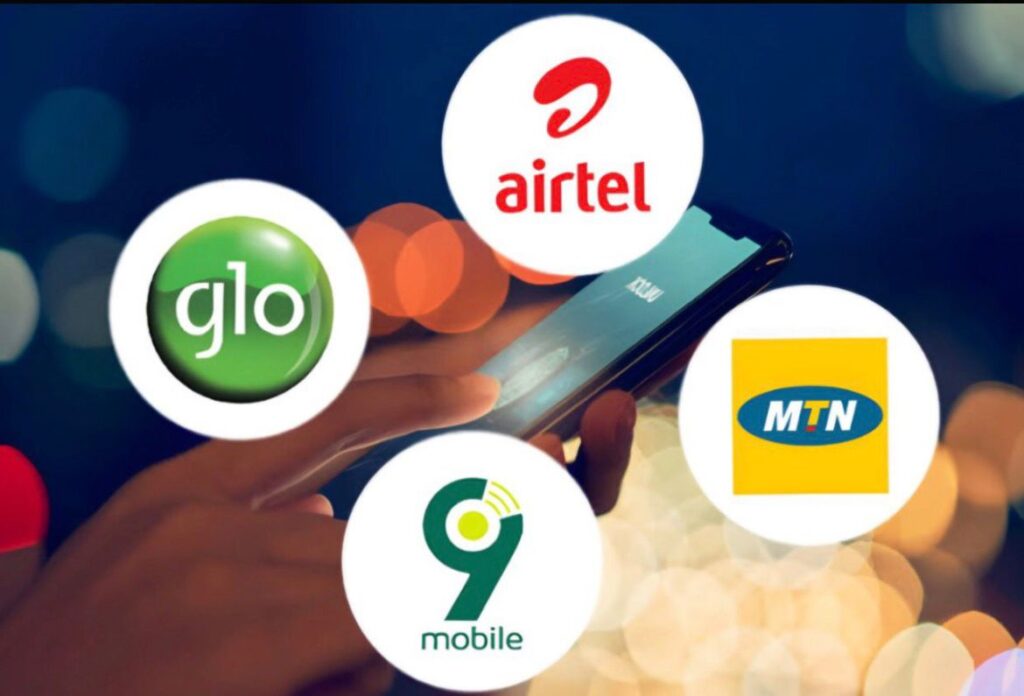

In a major development for Nigeria’s digital economy, commercial banks have fully settled an estimated N300 billion (≈ $200 million) in unpaid Unstructured Supplementary Service Data (USSD) fees owed to telecommunications operators, ending a four year dispute that threatened the viability of mobile banking services nationwide.
The resolution was confirmed by Gbenga Adebayo, Chairman of the Association of Licensed Telecommunications Operators of Nigeria (ALTON), during separate stakeholder engagements with regulators in Abuja and Lagos. Adebayo described the settlement as a turning point that restores confidence across the financial and telecom sectors.
Background: The Long-Running USSD Fee Dispute
USSD codes like *123# and 389 are essential for millions of Nigerians especially those without smartphones to perform basic banking functions such as fund transfers, balance enquiries, bill payments, and airtime purchases. Telecom operators argued that banks used their network infrastructure for these services without paying corresponding fees, causing unpaid liabilities to balloon over several years.
The conflict dates back to 2019, when telcos began demanding compensation for USSD traffic. In 2021, the Central Bank of Nigeria (CBN) and the Nigerian Communications Commission (NCC) introduced a standard USSD session charge of ₦6.98 per 120 seconds, but debt continued to accumulate as banks struggled to remit payment under the existing corporate billing model.
Regulatory Intervention and the Shift to End-User Billing
The dispute reached a critical stage in 2024 when unpaid USSD obligations were estimated at between N250bn and N300bn, prompting stronger interventions from the NCC and the CBN. Regulators endorsed a transition to a End-User Billing (EUB) model, under which charges for USSD services are deducted directly from customers’ mobile airtime rather than being collected by banks and passed on to telecom operators.
The full adoption of the EUB framework between June 3 and June 18, 2025, followed early repayments totalling about N171bn by a group of banks, effectively laying the groundwork for the final settlement.
Under this model:
- USSD sessions are billed by mobile network operators at ₦6.98 per 120-second session.
- Customers are prompted to approve charges before airtime deductions.
- Banks no longer act as intermediaries in fee collection.
Settlement and Sector Reaction
By February 19, 2026, all outstanding USSD debt was paid in full, according to ALTON and the NCC. The settlement marks a major milestone in stabilizing the relationship between banks and telcos and ensures uninterrupted access to USSD services for millions of Nigerians.
In his remarks, Adebayo credited NCC Executive Vice-Chairman Aminu Maida for providing steady leadership and regulatory oversight that helped resolve one of the sector’s most persistent challenges.
Impact on Telecom and Finance Ecosystems
Industry analysts say the settlement has removed a significant financial overhang and boosted investor confidence in the telecom sector. With the debt overhang cleared, operators can better plan capital expenditures and improve service delivery, while banks can focus more on core financial services without legacy disputes hanging over their balance sheets.
The resolution also brings clarity to the billing structure, strengthening financial inclusion tools that are vital for underserved and rural populations who rely heavily on USSD transactions.
Challenges Ahead: Regulatory Calls Beyond Debt Settlement
Despite the breakthrough, ALTON has urged regulators to address other structural issues affecting the telecom sector, including:
- Multiple taxation and avoidable levies on operators
- Harmonized regulatory frameworks
- Protection of critical telecom infrastructure from vandalism and fibre cuts
These issues, telcos argue, must be tackled to sustain the gains achieved from the USSD debt settlement






Comments