
Banks’ Recapitalisation Drive Enters Final Stretch as Lenders Secure ₦4.05 Trillion in Fresh Capital

Nigeria’s banking sector recapitalisation programme has officially entered its final and decisive phase, with a verified ₦4.05 trillion successfully raised by financial institutions as they rush to meet the March 31, 2026 deadline set by the Central Bank of Nigeria (CBN).
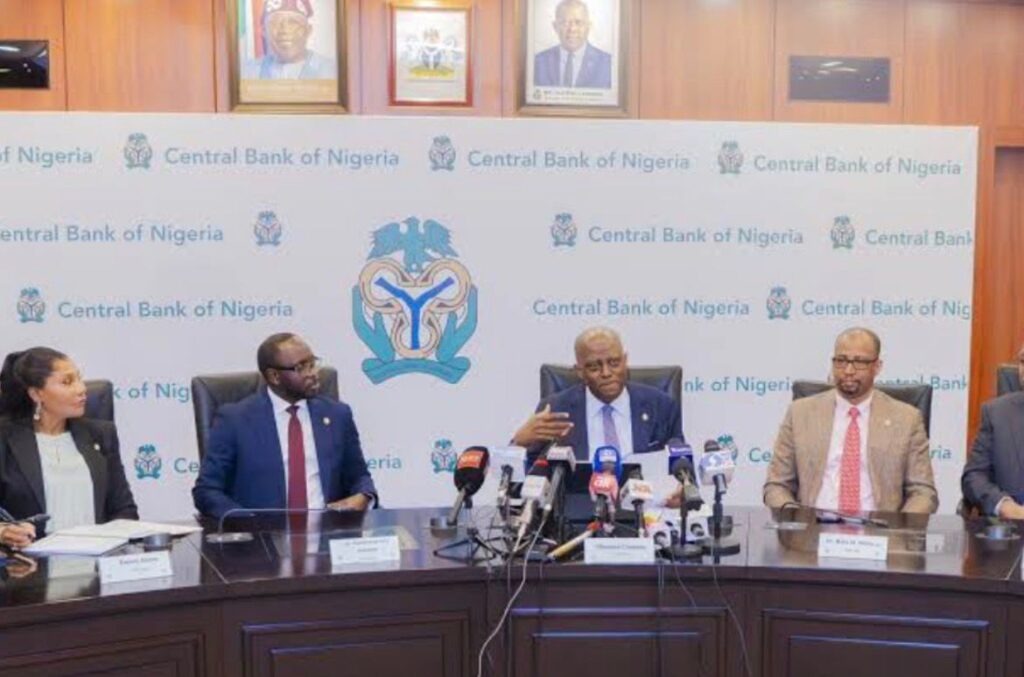
The announcement was made by CBN Governor Olayemi Cardoso at the conclusion of the bank’s 304th Monetary Policy Committee (MPC) meeting in Abuja, reflecting both the scale of investor engagement and the intensifying momentum of capital mobilisation across the sector.
Capital Raised So Far: Figures & Composition
As of February 19, 2026, the CBN confirmed that a total of ₦4.05 trillion in new capital has been verified and approved under the recapitalisation framework.
- ₦2.90 trillion (≈71.67%) was mobilised domestically.
- US$706.84 million (≈₦1.15 trillion or 28.33%) came from foreign investors, underlining growing offshore confidence in Nigerian banks’ prospects.
This domestic foreign mix highlights broad-based investor confidence in the sector’s reform dynamics and growth potential ahead of Nigeria’s economic rebound plans.
Compliance Progress: Banks on Track
According to the apex bank:
- 20 deposit money banks have fully met the new minimum capital requirements under the recapitalisation rules.
- An additional 13 banks are currently at advanced stages of their capital-raising initiatives and are expected to conclude compliance before the cutoff.
Governor Cardoso emphasised that banks finalising their plans are considering strategic options, including mergers, consolidation, rights issues, private placements, and offers for subscription, to strengthen ownership and enhance operational capacity.
What This Means for the Banking Sector
The recapitalisation programme was initiated in March 2024 to align Nigeria’s financial system with evolving economic realities and to boost banks’ resilience, risk-bearing capacity and ability to finance bigger economic activities.
Under the revised capital framework:
- Commercial banks with international authorisation must now hold a minimum of ₦500 billion in capital.
- National and regional commercial banks have new thresholds of ₦200 billion and ₦50 billion respectively.
- Merchant, national non-interest, and regional non-interest banking licences have separate updated requirements.
These higher capital buffers aim to:
- Strengthen financial stability
- Enhance shock absorption capacity
- Support larger loan books for economic growth
- Boost investor confidence in Nigeria’s financial markets
Broader Market Confidence & Investor Appetite
The strong participation of foreign investors contributing nearly 30% of the capital raised is viewed by CBN leadership as a vote of confidence in Nigeria’s macroeconomic policies, regulatory clarity, and long-term banking fundamentals.
This is significant given previous concerns expressed by market analysts that aggressive recapitalisation requirements could pressure bank profitability and lending behaviours. However, the pace of capital inflows suggests confidence outweighs apprehension.
Looking Ahead: Final Stretch to Deadline
With just over a month to the March 31, 2026 cutoff:
- The CBN expects the remaining banks to finalise their compliance plans.
- Recapitalisation activity continues to accelerate, with strategic options being explored.
- Market watchers remain optimistic that the sector will largely meet the new capital thresholds in time.
Conclusion
Nigeria’s banking recapitalisation has reached a decisive phase, with ₦4.05 trillion raised and a substantive portion of banks already fully compliant. The mix of domestic and foreign capital signifies a renewed market confidence and a strengthened financial architecture that can support Nigeria’s broader economic goals.
As the March 2026 deadline nears, the banking sector’s focus remains on completing the final compliance push, driving stability, and positioning the industry for deeper credit intermediation across the economy.












Comments