
Bank Transfer Pending: What It Means
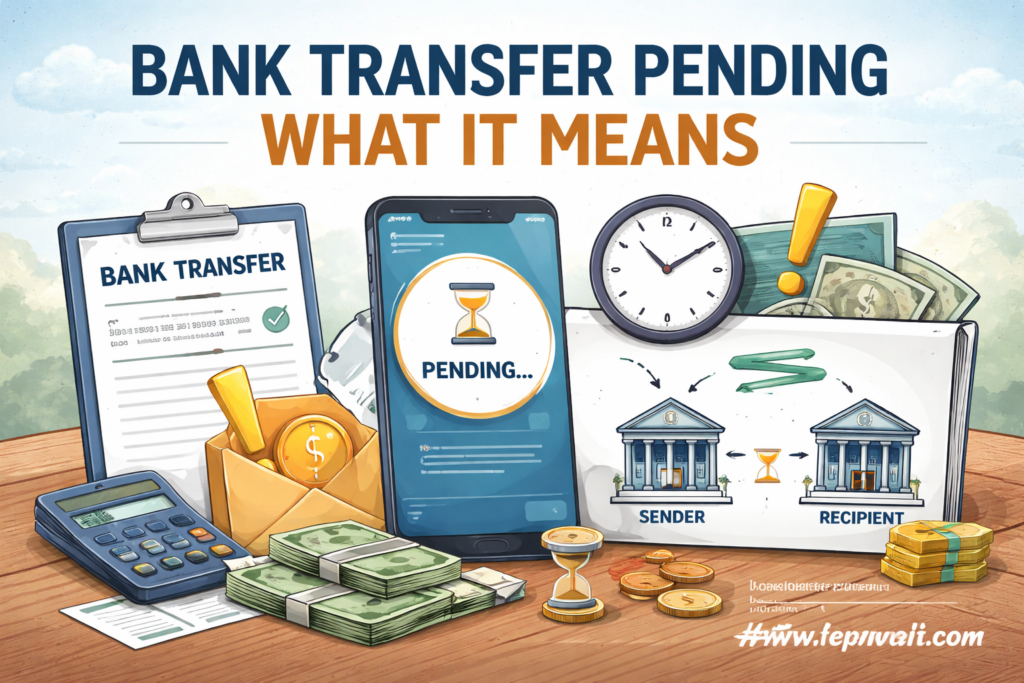

In today’s fast-moving digital economy, bank transfers are expected to be instant. Whether you’re paying for goods, sending money to family, or settling urgent bills, delays can trigger anxiety especially when your transaction status reads “pending.” For millions of banking users in Nigeria and beyond, this is a familiar experience.
But what exactly does a pending bank transfer mean? Is your money lost, delayed, or simply “in transit”? Understanding this status can save you from panic, costly mistakes, and unnecessary complaints.
What Does “Bank Transfer Pending” Mean?
A pending bank transfer simply means the transaction has been initiated but not yet completed or credited to the recipient’s account.
At this stage:
- Your bank has received your transfer request
- The system is processing the transaction
- The recipient has not yet received the funds
Think of it like sending a parcel: it has left your location but hasn’t arrived at its destination yet.
Importantly, a pending status does not mean the transaction failed or that your money is missing. It usually indicates that the banking system is still verifying and processing the payment.
How Bank Transfers Work Behind the Scenes
Many people assume transfers are instant, but the process involves multiple steps:
- Your bank processes your request
The transaction passes through a payment network (like interbank systems)
- The receiving bank verifies and credits the funds
If any part of this chain slows down, the transfer remains pending. In Nigeria, for example, transactions often pass through centralized systems before final settlement, which can introduce delays.
Common Reasons Why Transfers Stay Pending
A pending transfer is usually caused by technical or operational delays. Here are the most common reasons:
- Network Congestion
During peak periods such as salary days, weekends, or festive seasons transaction volumes increase significantly. This can overwhelm payment systems and delay processing.
- Bank Server Downtime
Banks occasionally perform maintenance or experience system outages. When this happens, transactions may be initiated but not completed immediately.
- Security Checks and Fraud Prevention
Banks monitor unusual transactions, especially large or irregular transfers. These may be temporarily paused for verification before completion.
- Poor Internet or App Issues
A weak internet connection during transfer can disrupt communication between your device and the bank, leaving the transaction in a pending state.
- Interbank Processing Delays
Transfers between different banks take longer than transfers within the same bank due to additional verification layers.
- Recipient Account Limitations
If the recipient’s account has restrictions (e.g., unverified accounts or transfer limits), the transaction may remain pending until resolved.
How Long Does a Pending Transfer Take?
In most cases:
- Instant transfers: a few seconds to minutes
- Delayed cases: up to a few hours
- Extended delays: up to 24 hours or more
Timing often depends on:
- Bank processing speed
- Network conditions
- Time of transaction (weekends or holidays may delay processing) .
Pending vs Successful vs Failed Transfers
Understanding transaction status helps reduce confusion:
- Pending: Transaction is still processing
- Successful/Completed: Funds have been delivered
- Failed: Transaction did not go through and will usually be reversed
A pending transfer sits in between it’s neither complete nor canceled.
What To Do If Your Transfer Is Pending
If you encounter a pending transaction, follow these steps:
- Check Your Transaction History
Don’t rely only on pop-up messages. Confirm the exact status in your bank app or statement.
- Avoid Sending Again Immediately
Sending another transfer too quickly can lead to double debit once the system clears.
- Give It Time
Most delays resolve automatically within a few hours.
- Contact Your Bank (If Delayed)
If the transaction remains pending beyond 24 hours especially if your account has been debited contact your bank’s customer support.
- Provide Transaction Details
Have key information ready:
- Transaction ID or session ID
- Amount sent
- Date and time
This helps banks trace the transaction faster.
Can You Reverse a Pending Transfer?
In many cases, you cannot manually cancel a pending transfer once it has been initiated. The transaction must either:
- Complete successfully, or
- Fail and be automatically reversed
However, if there’s an issue (like wrong details), contacting your bank early may help initiate recovery.
Conclusion
A pending bank transfer is a normal part of digital banking not a cause for panic. It simply means your transaction is still being processed through the financial system.
Most pending transfers:
Are temporary
Resolve automatically
Do not result in loss of funds
However, delays can happen due to system congestion, security checks, or technical issues. Understanding this process helps you respond calmly and avoid costly mistakes like duplicate transfers.












Comments