
How To Track A Bank Transfer in Nigeria
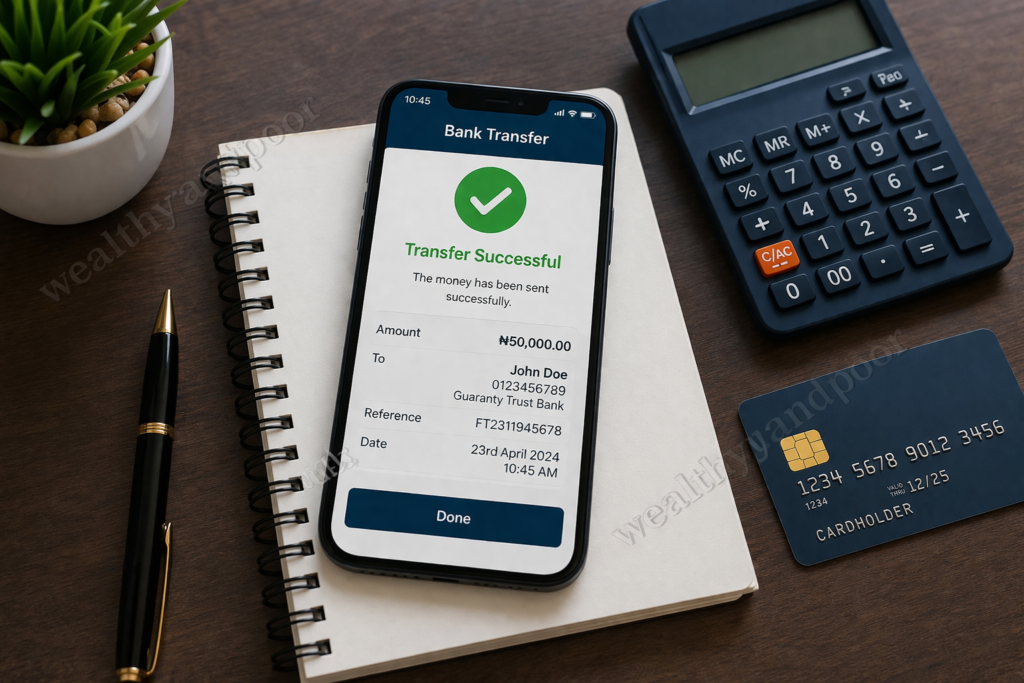

In today’s fast-moving digital economy, bank transfers have become the backbone of financial transactions in Nigeria. Whether you’re sending money through a mobile banking app, USSD code, or internet banking, transfers are expected to be instant and seamless. However, delays, failed transactions, or missing funds can still occur leaving customers anxious and unsure of what to do next.
Tracking a bank transfer in Nigeria is not as complicated as it may seem, but it requires the right knowledge, documentation, and timely action. Understanding how the system works and what steps to take can make the difference between quick resolution and prolonged frustration.
Understanding How Bank Transfers Work in Nigeria
Most bank transfers in Nigeria are powered by the NIBSS Instant Payment (NIP) system, a real-time electronic platform that connects financial institutions nationwide. This system allows money to move between banks within seconds, making transfers fast and efficient.
When a transfer is initiated, the sending bank processes the request and sends it through a central switch managed by NIBSS. Once approved, the recipient’s bank is credited almost instantly. However, issues like network glitches, system errors, or incorrect details can interrupt this process.
Step-by-Step Guide to Tracking a Bank Transfer
- Confirm the Transaction Status First
Before assuming anything is wrong, check whether the transaction actually failed. Log into your mobile banking app or internet banking portal and review your transaction history.
Look out for statuses such as:
- Successful
- Pending
- Processing
- Failed
Sometimes, what appears to be a failed transaction is simply delayed due to network issues.
- Locate Your Transaction Reference Number
Every bank transfer in Nigeria generates a unique transaction reference number. This is the most important tool for tracking your money.
You can find it in:
- SMS alerts from your bank
- Transaction receipts
- Bank app transaction history
This reference acts like a tracking ID and allows banks to trace the movement of funds across systems.
- Gather All Relevant Transaction Details
To successfully track a transfer, you need complete and accurate information. Prepare the following:
- Transaction reference number
- Date and time of transfer
- Amount sent
- Sender’s account details
- Recipient’s account number and bank name
- Screenshots or proof of debit
Banks rely on these details to locate the transaction within the payment system.
- Check Within Your Bank’s Platform
Many Nigerian banks now provide built-in tracking features. Within your app or online banking dashboard, you may see whether a transaction is:
- Completed
- Reversed
- Still processing
This step can save you time before escalating the issue.
- Contact Your Bank Immediately
If your account has been debited and the recipient has not received the money, contact your bank’s customer support.
You can do this through:
- Customer care phone lines
- Email support
- In-app chat
- Visiting a bank branch
- Provide all transaction details and clearly request that the bank run a trace on the transaction.
A “trace” allows the bank to follow the transaction through the NIP system and determine its exact status whether it reached the recipient bank or is stuck somewhere in the process.
- Request and Keep a Complaint Ticket Number
Once you report the issue, your bank should issue a complaint or ticket number. This is your official record for follow-ups.
Without this, tracking progress becomes difficult, especially if the case takes several days to resolve.
- Understand Standard Resolution Timelines
While many transfers are instant, failed or delayed transactions follow certain timelines:
- Same-bank transfers: Usually resolved within 24 hours
- Interbank transfers: Typically 24–72 hours
- ATM/POS transactions: May take a few days
These timelines are guidelines, not guarantees but they help set expectations.
- Escalate If Necessary
If your bank fails to resolve the issue within a reasonable timeframe, you can escalate the complaint to the Central Bank of Nigeria (CBN).
Provide:
- Your complaint/ticket number
- Transaction details
- Proof of debit
- Communication history with your bank
Regulatory intervention often speeds up resolution when banks delay.
Special Case: Tracking International Transfers
For international transfers (e.g., remittances), tracking typically involves a tracking number such as an MTCN (Money Transfer Control Number).
With this number, you can monitor the transfer status online or through the service provider to confirm whether funds are available or still in transit.
Why Transfers Sometimes Fail
Despite the efficiency of Nigeria’s banking system, failures still occur due to:
- Network downtime
- Incorrect account details
- Receiving bank issues
- System timeouts
- High transaction volumes
Even though NIP processes transactions instantly, backend settlement between banks can still introduce occasional delays.
Conclusion
Tracking a bank transfer in Nigeria is ultimately about having the right information and acting quickly. The system itself is robust, and in most cases, funds are not lost but temporarily delayed or stuck within processing channels.
By keeping your transaction reference, documenting every detail, and following the proper escalation steps, you significantly increase your chances of resolving any transfer issue quickly.
In an era where digital payments dominate, understanding how to track your money is not just helpful it’s essential financial literacy.












Comments