
Pending Transaction but money Deducted
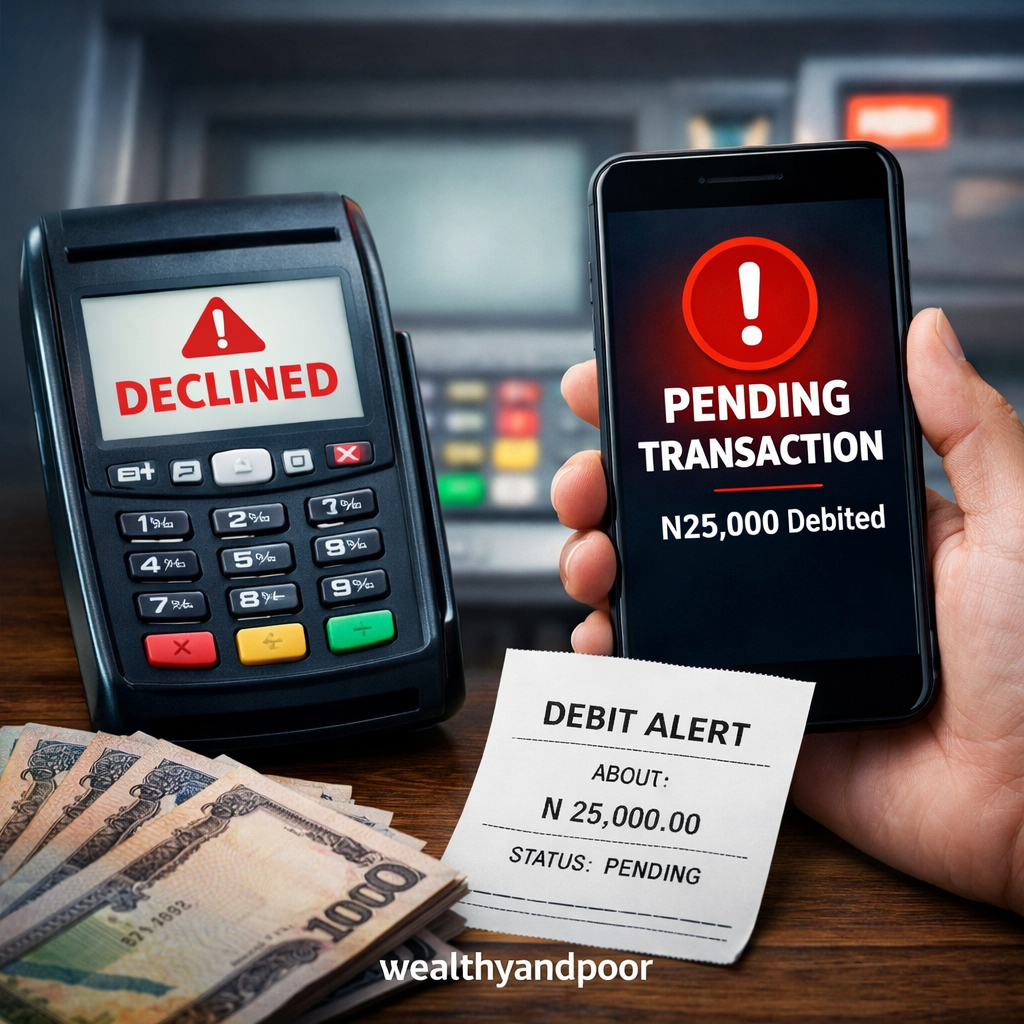

A pending transaction with a debit alert is one of the most frustrating experiences for bank users in Nigeria. You send money, your account balance drops instantly, yet the transaction shows “pending” or the recipient insists they haven’t received anything. This situation is more common than many people realize, especially with the heavy reliance on digital banking, mobile apps, USSD, and POS systems across the country.
A pending transaction simply means the transfer process has started but has not been fully completed between the sending bank, the receiving bank, and the payment infrastructure. In most cases, the money is not lost—it is either in transit, awaiting confirmation, or held temporarily within the banking system.
In Nigeria, several factors contribute to this issue. One of the biggest causes is interbank network congestion. During peak periods such as salary days, weekends, or festive seasons, the payment systems that connect banks become overloaded. This leads to delays where your account is debited, but settlement between banks has not been finalized.
Another major cause is system downtime. Banks and fintech platforms frequently carry out maintenance or experience technical glitches, and when this happens mid-transaction, it can create a mismatch where the debit is successful but the transfer is incomplete.
Other contributing factors include incorrect account details, temporary restrictions on accounts, insufficient liquidity for settlement, and unstable internet or USSD network interruptions. Even a brief network failure during a transaction can interrupt the confirmation process while still allowing the debit to go through.
When this happens, the first and most important thing is not to panic. Many pending transactions resolve automatically within minutes or hours once the banking system completes reconciliation. In some cases, the money may reflect later in the recipient’s account without any further action. It is always advisable to check your transaction history and confirm whether the transaction is still marked as “pending” or has been completed.
If the issue persists, the next step is to gather evidence. Screenshots of debit alerts, transaction receipts, or SMS notifications are crucial because they help banks trace the exact transaction quickly.
Without proper documentation, resolving such cases can take longer.
After that, contact your bank immediately through their customer care, mobile app support, or by visiting a branch. Nigerian banking practice requires the sending bank to initiate a trace on the transaction. In many cases, banks can identify whether the money is stuck within their system, in transit, or already delivered to the receiving bank.
If the delay extends beyond the normal timeframe, you may also contact the recipient’s bank to confirm whether the funds are pending on their end. Where necessary, filing a formal complaint helps escalate the issue and speeds up resolution.
Regulatory guidelines in Nigeria also protect customers in these situations. The Central Bank of Nigeria has mandated that failed ATM transactions be reversed within a short timeframe often instantly for same-bank transactions or within 24 to 48 hours for interbank cases.
While transfer timelines may vary slightly depending on the channel used, these regulations reinforce that customers should not lose money due to system errors.
If your bank fails to resolve the issue within a reasonable period, you have the right to escalate the complaint to the Central Bank of Nigeria’s Consumer Protection Department. There have been instances where the regulator intervened and recovered billions of naira deducted from customers’ accounts, showing that unresolved cases can still be addressed at a higher level.
To reduce the chances of encountering this issue, always double-check transaction details before sending money, avoid making transfers during peak network periods, ensure a stable internet connection, and use reliable banking platforms. Keeping a record of all transactions also helps in quick dispute resolution.
In conclusion, a pending transaction with a debit alert is usually a temporary system issue rather than a permanent loss of funds. While it can be stressful, the Nigerian banking system has processes and regulations in place to ensure that your money is either delivered to the recipient or returned to your account. The key is to act promptly, keep evidence, and follow the proper complaint channels until the issue is resolved.












Comments