
Why Your Account Shows Negative Balance
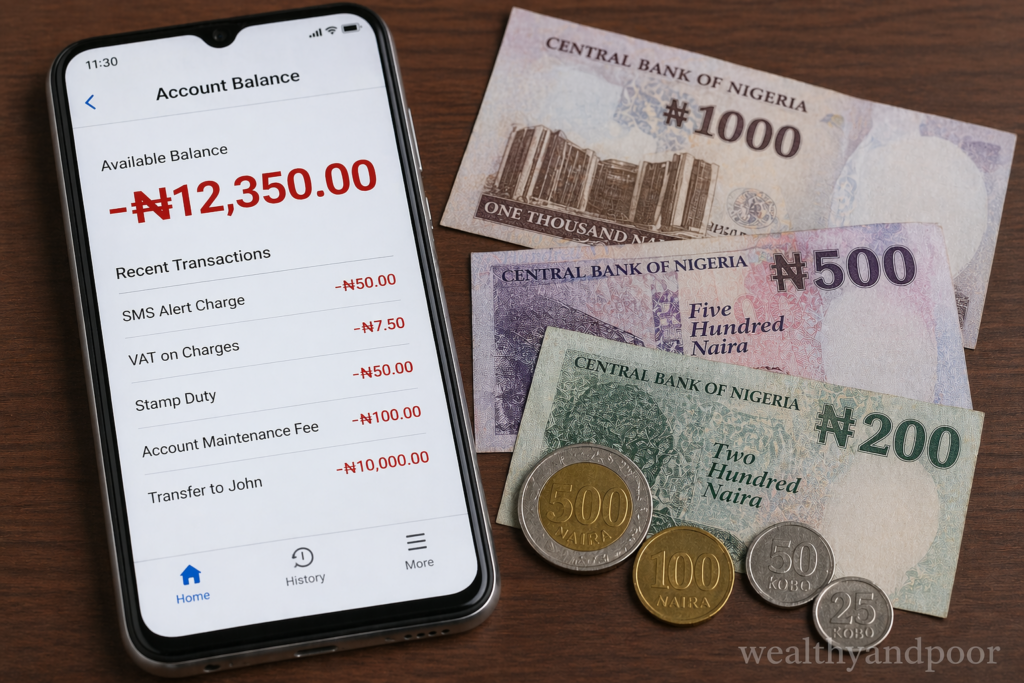

A negative bank balance often referred to as an overdraft is one of the most confusing experiences for many account holders. One moment your account appears stable, and the next, it drops below zero. While it may feel like an error, a negative balance is usually the result of how banking systems process transactions, fees, and timing differences. Understanding why this happens is essential for managing your finances effectively and avoiding unnecessary charges.
What a Negative Balance Really Means
A negative balance simply means that more money has left your account than what was available. In practical terms, the bank has allowed a transaction to go through even though there were insufficient funds, effectively lending you the difference.
This situation does not always indicate fraud or a system glitch. In most cases, it is a normal banking occurrence triggered by spending patterns, delayed processing, or automated charges.
Key Reasons Your Account Goes Negative
- Spending More Than Your Available Balance
The most straightforward cause is overspending. If you withdraw cash, make transfers, or use your debit card without enough funds, your account can slip into the negative.
This often happens when people rely on their “current balance” instead of their “available balance,” which reflects pending transactions and temporary holds.
- Overdraft Charges and Bank Fees
Banks frequently charge fees that can push your account below zero. These include:
- Overdraft fees
- Monthly maintenance charges
- ATM or transaction fees
If your account balance is low when these charges are applied, the result can be a negative balance even without new spending.
In some cases, multiple fees can accumulate quickly, worsening the situation.
- Automatic Payments and Subscriptions
Recurring payments such as:
- Utility bills
- Streaming subscriptions
- Loan repayments
can be deducted automatically even when your balance is insufficient. If the bank processes the payment, your account goes negative immediately.
This is a common issue in Nigeria, where many users link accounts to multiple digital services without closely tracking payment dates.
- Delayed Transactions and Posting Timing
Not all transactions are processed instantly. Some may take hours or days to reflect fully. This creates a timing gap where:
- You believe funds are available
- But pending transactions are yet to be deducted
When those delayed debits eventually post, your account can suddenly drop below zero.
- Authorization Holds (Temporary Charges)
Certain merchants such as fuel stations or hotels place temporary holds on your account. These holds can be higher than the actual amount you eventually spend.
For example, a fuel station might temporarily reserve more than the fuel you purchase. This reduces your available balance and can trigger a negative figure if you make additional transactions.
- Cheques and Transfers Clearing Late
If you issue a cheque or make a transfer that is processed later than expected, it may hit your account at a time when funds are low.
Similarly, if you deposit money that has not yet cleared, the bank may not count it as available leading to an overdraft when other payments are processed.
- Bank Processing Order
Banks often process transactions in a specific order, sometimes prioritising larger debits or certain types of payments. This can increase the likelihood of overdrafts and multiple fees, especially when several transactions occur in a short period.
The Hidden Costs of a Negative Balance
A negative account balance is more than just a temporary inconvenience. If not resolved quickly, it can lead to:
- Multiple overdraft or insufficient funds fees
- Declined transactions and bounced payments
- Account restrictions or closure
- Debt collection if the balance remains unpaid
In extreme cases, unresolved overdrafts may even affect your ability to open new bank accounts.
Why It Happens Frequently in Nigeria
In Nigeria’s fast growing digital banking environment, negative balances are increasingly common due to:
- High transaction volumes on banking apps
- Network delays affecting transaction timing
- Frequent use of USSD and instant transfers
- Multiple fintech integrations linked to one account
These factors increase the chances of timing mismatches and duplicate or delayed debits.
How to Prevent Your Account from Going Negative
To stay in control of your finances:
- Monitor your available balance, not just your current balance
- Set up transaction alerts via SMS or mobile apps
- Keep a small buffer (extra funds) in your account
- Track automatic payments and subscription dates
- Avoid relying heavily on overdraft services
What to Do If It Happens
If your account is already negative:
- Deposit funds immediately to cover the deficit
- Review your transaction history to identify the cause
- Contact your bank to request a fee reversal (many banks allow this occasionally)
- Temporarily stop outgoing payments until your balance stabilises
- Acting quickly helps prevent additional charges from piling up.
Conclusion
A negative balance is not always a mistake it is often the result of how modern banking systems handle transactions, timing, and fees. While it can be frustrating, understanding the root causes puts you in a better position to avoid it in the future.
With better awareness, consistent monitoring, and disciplined spending habits, you can keep your account in the positive and avoid unnecessary financial stress.












Comments