
Can a Bank Account Hack Itself? (Explained Simply)
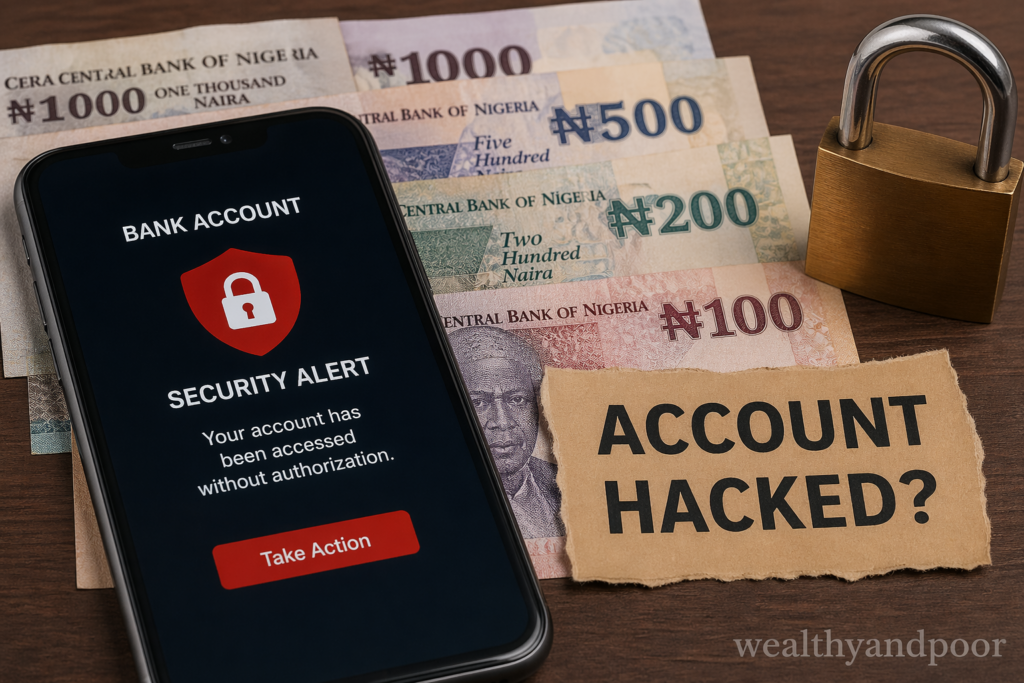

At first glance, it can feel like your bank account has a mind of its own. You check your balance and see money missing, unfamiliar transactions, or strange alerts and the immediate reaction is panic: “Did my account just hack itself?”
The simple answer is no. A bank account cannot hack itself. But the reason it sometimes feels that way is more complex and worth understanding.
The Illusion of “Self-Hacking”
When money disappears or unusual activity appears, it often happens without any obvious action from the account owner. There’s no suspicious message you remember clicking, no call you recall answering. This creates the illusion that the system acted on its own.
In reality, what’s happening falls into one of three categories:
- Human interference (fraudsters or scammers)
- System processes within the bank
- User-related errors or misunderstandings
Understanding these categories is key to separating myth from reality.
- The Real Culprit: External Hackers
Most cases of “mysterious” account activity are not mysterious at all they are the result of unauthorised access by fraudsters.
This is known as account takeover fraud, where criminals gain access using stolen details such as passwords, PINs, or one-time passwords (OTPs).
In Nigeria, this problem is growing rapidly. Reports show that over 150,000 bank accounts were compromised in a single period, highlighting how widespread the issue has become.
How does this happen?
Fraudsters rarely “break into” your account like in movies. Instead, they rely on tricks:
- Phishing messages that look like they’re from your bank
- Fake websites that mimic real banking apps
- Phone calls pretending to be customer care agents
- Data leaks from other platforms where you reused your password
Once they get your details, they log in just like you would and the bank system sees them as a legitimate user.
That’s why it feels like your account acted on its own.
- Your Account Didn’t Hack Itself—You Were Tricked
One of the most common causes of bank fraud today is phishing. This is when scammers impersonate trusted institutions to trick you into giving away sensitive information.
For example:
- You receive a message saying your account will be blocked
- You click a link that looks genuine
- You enter your login details
- Within minutes, your account is accessed.
From your perspective, nothing unusual happened until the money disappears.
- When It’s Not a Hack at All
Sometimes, what looks like hacking is actually a bank system process or delay.
Examples include:
- Pending transactions that later get reversed
- Duplicate debits that are temporarily displayed
- Delayed alerts that arrive after transactions
Banks run complex systems that process millions of transactions. Errors, delays, or reversals can make your account activity look suspicious even when it’s not fraud.
- Internal Errors and Rare Bank Issues
Although rare, banks themselves can experience:
- Technical glitches
- Network failures
- Internal processing errors
These issues can lead to:
- Temporary disappearance of funds
- Incorrect balances
- Duplicate transactions
However, these are usually corrected automatically or after customer complaints. They are not “hacks” in the criminal sense.
- Why It Feels So Real
The idea of a “self-hacking account” feels believable because:
- Transactions happen instantly
- Fraud can occur without your immediate involvement
- Digital banking lacks physical visibility
Unlike cash, where you see who takes it, digital money can move silently in seconds. That invisibility creates confusion and fear.
- Warning Signs Your Account Is Compromised
Even though accounts don’t hack themselves, there are clear warning signs when something is wrong:
- Unfamiliar transactions (even small ones)
- Login alerts you didn’t initiate
- OTPs you didn’t request
- Sudden password or email changes
Experts note that fraudsters often start with small test transactions before making larger withdrawals.
- Protecting Yourself: Simple Steps That Matter
The truth is, your bank account is only as secure as the information you protect.
Here are simple but powerful habits:
- Never share your PIN, password, or OTP
- Avoid clicking links in suspicious messages
- Use strong, unique passwords
- Enable two-factor authentication
- Monitor your account regularly
Regulators like the Central Bank emphasize staying alert and verifying any request for sensitive information.
Conclusion
A bank account cannot hack itself. What looks like self-hacking is almost always one of the following:
A scammer using your stolen details
A system delay or banking error
A misunderstanding of how transactions work
The real danger is not your account turning against you it’s how easily human behaviour can be exploited in the digital age.
Understanding this distinction is powerful. It shifts the question from “Why is my account acting strange?” to “How can I stay one step ahead?”












Comments