
Mobile Banking Security Tips
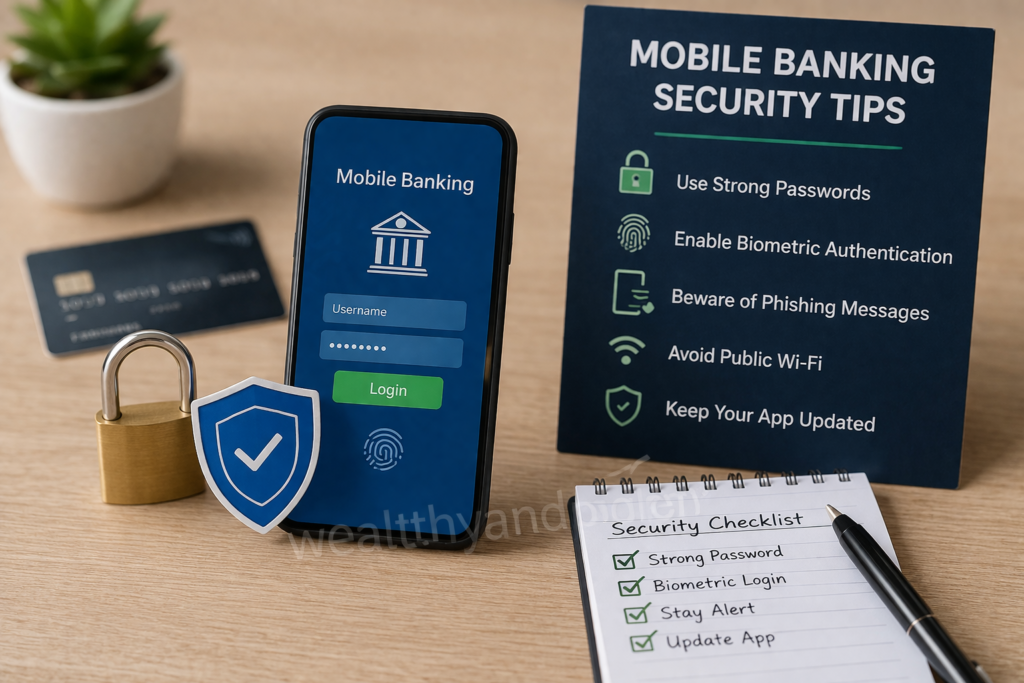

In Nigeria’s fast evolving financial ecosystem, mobile banking has become more than a convenience it is now a necessity. From instant transfers to bill payments and airtime purchases, millions of Nigerians rely on their smartphones daily to manage money. Yet, as digital adoption rises, so do cyber threats. Fraudsters are becoming more sophisticated, exploiting user negligence, weak security habits, and social engineering tactics.
For individuals and businesses alike, understanding mobile banking security is no longer optional it is essential. This article explores practical, real world tips that can help users safeguard their finances while navigating Nigeria’s digital banking space.
The Growing Importance of Mobile Banking Security
Mobile banking has significantly reduced the need for physical banking, saving time and cost. However, this convenience comes with risks. Fraud attempts such as phishing messages, fake apps, SIM swap attacks, and unauthorized transactions are increasingly common.
Many of these risks are not due to system failure but user behavior simple mistakes like sharing OTPs or using weak passwords can open the door to financial loss.
The good news? Most of these risks can be prevented with the right habits.
- Use Strong Passwords and Enable Multi-Factor Authentication
Your password is the first line of defense. Weak or reused passwords make it easy for hackers to gain access.
A secure password should:
- Be at least 8–12 characters long
- Include uppercase and lowercase letters, numbers, and symbols
- Avoid personal information like birthdays or names
Additionally, always enable two-factor authentication (2FA). This adds an extra layer of protection by requiring a one-time code during login or transactions.
- Avoid Public Wi-Fi for Financial Transactions
Public Wi-Fi networks like those in cafés or airports are often unsecured and easily exploited by cybercriminals. Hackers can intercept data transmitted over such networks.
Instead:
- Use your mobile data when accessing banking apps
- If necessary, use a secure hotspot
Experts strongly advise avoiding sensitive transactions on public networks to reduce exposure to fraud.
- Download Apps Only from Trusted Sources
Fake banking apps are a common scam tactic. These apps mimic legitimate ones to steal login credentials.
To stay safe:
- Download apps only from official stores like Google Play Store or Apple App Store
- Verify the developer’s name and app reviews
- Avoid clicking download links sent via SMS or WhatsApp
Installing apps from unknown sources significantly increases the risk of malware infections.
- Keep Your Phone and Apps Updated
Software updates are not just about new features they fix security vulnerabilities that hackers exploit.
Best practices include:
- Regularly updating your phone’s operating system
- Updating banking apps immediately when prompted
Delaying updates leaves your device exposed to known threats.
- Never Share Sensitive Banking Information
Banks will never ask for your PIN, password, BVN, or OTP via phone call, SMS, or email.
Common scam tactics include:
- Fake “bank agents” requesting OTPs
- Urgent messages asking you to “verify” your account
- Links that lead to phishing websites
Sharing your OTP is equivalent to authorizing a transaction once done, recovery becomes difficult.
- Secure Your Device with Locks and Biometrics
Your phone is now a wallet treat it like one.
Protect it by:
- Using a strong PIN, password, fingerprint, or face unlock
- Enabling auto-lock after inactivity
- Setting a SIM PIN to prevent unauthorized SIM usage
These measures help prevent unauthorized access, especially if your phone is lost or stolen.
- Monitor Your Transactions Regularly
Frequent monitoring helps you detect suspicious activity early.
You should:
- Enable transaction alerts
- Review your account history regularly
- Report any unauthorized transactions immediately
Early detection can significantly reduce financial loss and improve chances of recovery.
- Be Cautious of Links and Messages
Phishing remains one of the most common fraud methods.
Warning signs include:
- Messages with urgent or threatening language
- Unknown links asking you to log in
- Emails or texts from suspicious senders
Avoid clicking on such links. Instead, access your bank through official apps or websites only.
- Limit Your Transaction Exposure
One underrated but effective security measure is setting transaction limits.
Lower daily limits mean:
- Reduced potential loss if your account is compromised
- Better control over spending
You can always increase limits temporarily for large transactions.
- Log Out and Avoid Saving Sensitive Data
Always log out of your banking app when not in use, especially on shared devices.
Also avoid:
- Saving passwords in notes or browsers
- Storing sensitive financial details on your phone
- Proper session management reduces the risk of unauthorized access.
Conclusion: Security Is a Shared Responsibility
Mobile banking in Nigeria is here to stay. It offers speed, flexibility, and financial inclusion on a scale never seen before. However, security is a shared responsibility between banks and users.
While financial institutions continue to invest in encryption, authentication systems, and fraud detection, users must adopt safe digital habits. In many cases, the difference between a secure account and a compromised one lies in everyday decisions what links you click, where you connect, and how you manage your credentials.
- Ultimately, staying safe with mobile banking is not about paranoia it is about awareness and discipline. With the right precautions, Nigerians can confidently enjoy the benefits of digital finance without falling victim to its risks.












Comments