
CBN Signals Rate Cut on Back of Easing Inflation, Stronger FX Stability


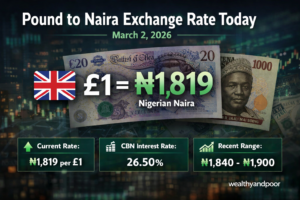
The Central Bank of Nigeria (CBN)’s recent decision to cut its Monetary Policy Rate (MPR) by 50 basis points to 26.5% signals a deliberate shift in Nigeria’s monetary policy stance, driven by the bank’s confidence that easing inflation and greater foreign exchange (FX) stability have created space for a cautious rate cut a move with significant implications for the economy.
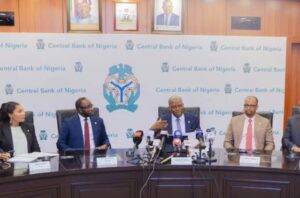
At its 304th Monetary Policy Committee (MPC) meeting, the apex bank decided to trim the benchmark lending rate for the second time in five months, after nearly a year of continuous disinflation. This marked yet another step in transitioning from a prolonged tightening cycle to a more supportive monetary environment aimed at stimulating growth without compromising macroeconomic stability.
CBN Governor Olayemi Cardoso emphasized that the rate cut reflected a sustained moderation in headline inflation, which has been easing for 11 consecutive months, with the latest figures showing inflation trending downward toward more manageable levels. The softening of price pressures coupled with improvements in the external sector has created the conditions for a careful, incremental loosening of monetary policy.
Behind the decision lies a significant improvement in Nigeria’s foreign exchange reserves, which have climbed to historic highs, strengthening the central bank’s ability to support orderly FX market operations and stabilize the naira.
Net reserves surged sharply over the past two years, rising from around $3.99 billion to about $34.8 billion by end-2025, and gross reserves recently topped $50 billion a levels not seen in over a decade. These robust buffers have helped reduce volatility in the FX market and reinforced confidence in Nigeria’s external position.
The improved FX environment has translated into more stable exchange rates across market segments, with official and parallel markets showing signs of convergence and reduced speculative pressure compared with past volatility. Despite lingering geopolitical risks that could affect FX liquidity, the central bank’s active management and increased reserves are seen as key pillars sustaining this newfound stability.
Analysts and stakeholders have greeted the rate cut with cautious optimism. Groups like the Nigeria Employers’ Consultative Association (NECA) and private sector players have welcomed the move as a step toward alleviating high borrowing costs and creating breathing space for business activity.
They argue that lower interest rates, if supported by broader economic reforms, could ease financing pressures on enterprises and help catalyze investment.
Read Also: MPC Slashes Interest Rate by 50bps: What This Means for Your Savings and Loans
Yet the MPC’s approach remains measured and conditional, with key indicators like the Cash Reserve Requirement kept unchanged to preserve financial system liquidity and guard against undue inflationary surprises.
This balanced stance reflects the CBN’s recognition that while inflation and FX metrics have improved, vulnerabilities remain including external shocks and structural challenges that could complicate policy transmission.
From an economic growth perspective, cutting the MPR at this stage is also designed to support broader ambitions for sustained expansion. With inflation moderating and credit conditions gradually thawing after years of high rates, access to cheaper credit may encourage lending to productive sectors, boost private sector activity, and strengthen investment sentiment.
In summary, the CBN’s bet on easing inflation and FX stability as the foundation for this rate cut underscores a pivotal moment in Nigeria’s monetary strategy. By anchoring its decision on improving price dynamics and fortified external reserves, the apex bank is signaling confidence in the macroeconomic trajectory while maintaining vigilance against risks that could derail progress.
For policymakers, businesses, and investors, the message is clear: monetary policy is evolving toward a more growth-oriented posture, but continued stabilization and deeper reforms will be critical for lasting impact.








Comments