
Nigeria’s Economy Records Strongest Growth in Three Years Amid Reform Momentum
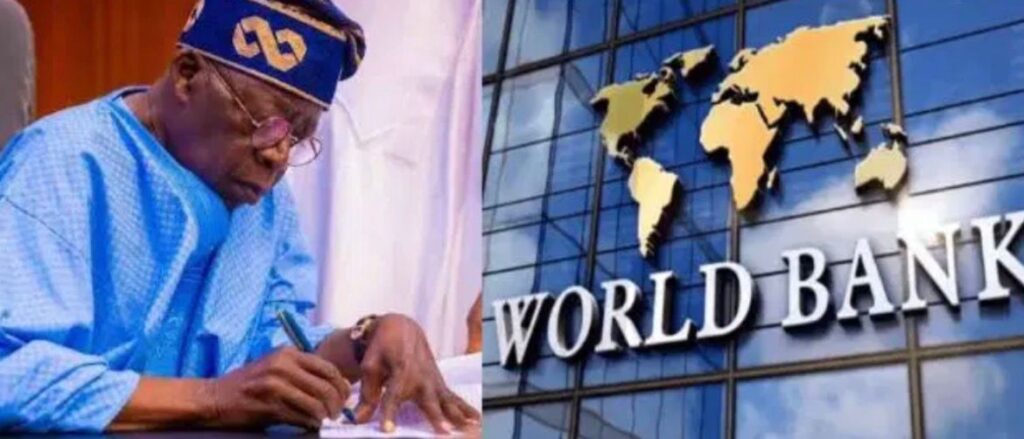

Nigeria’s economy has finally clocked its fastest growth in three years, driven by stronger output across agriculture, industry and services, according to the latest data from the National Bureau of Statistics (NBS). The performance underscores a rebound in economic activity following years of structural reforms, and reflects growing investor confidence in Africa’s largest market.
Key GDP Figures: End of 2025
- Real GDP Growth (Q4 2025): 4.07% year-on-year higher than the 3.76% recorded in Q4 2024 and above 3.98% in Q3 2025.
- Annual GDP Growth (Full Year 2025): 3.87%, up from 3.38% in 2024 marking the fastest full-year expansion since 2022.
- Nominal GDP Value (Q4 2025): ₦122.81 trillion, up sharply from last year’s figures.
These numbers confirm that Nigeria’s economic momentum is strengthening after slowing in prior years, with 2025 emerging as a turning point.
Drivers of Growth: Sectoral Performance
- Agriculture
Agriculture grew by about 4.0% in Q4, up significantly from 2.54% in the same period last year. Improved farming output, better access to inputs, and modest gains in rural productivity helped lift this traditionally important sector.
- Industry
Industry expanded by 3.88%, compared to 2.49% in Q4 2024. The oil sector played a leading role, with Nigeria producing more crude than a year earlier though output dipped slightly from Q3 2025 levels.
- Oil Sector Growth:
6.79% in Q4 a major contributor to overall GDP performance.
- Services
The services sector remained the largest contributor to output, growing by 4.15%. Financial services, trade, telecommunications and technology services continued to support overall expansion.
What’s Behind the Improved Growth?
- Structural Reforms
Nigeria has embarked on several major economic reforms since 2023 aimed at stabilising the economy, including:
- Liberalising the foreign exchange market, which helped improve investor sentiment.
- Removing fuel subsidies a controversial but government backed policy to reduce distortions in the economy.
- Tax and fiscal reforms, designed to strengthen public finances and expand the revenue base.
These measures appear to be paying off by promoting a broader expansion across sectors.
Challenges and Context
Despite the improved GDP growth, Nigeria still faces headwinds:
- Inflation remains elevated, though there are signs of moderation.
- Living standards and poverty pressures persist, reminding policymakers that growth figures don’t automatically translate into immediate improvements in citizens’ lives.
- Security and infrastructural bottlenecks continue to hold back higher potential expansion.
Moreover, while Nigeria’s growth is strong relative to recent years, it still falls short of ambitious targets set by the government and does not yet rival the rates seen in some other emerging markets.
Outlook: What Analysts Expect
International institutions have noted Nigeria’s progress and projected continued growth:
- The World Bank has suggested that Nigeria’s economy could grow at its fastest pace in a decade in the coming years, supported by structural reforms and investment flows.
However, analysts caution that sustained improvement will require deeper reforms, more investment in infrastructure, and strategies to ease inflation and broaden economic participation.
Conclusion
Nigeria’s latest GDP figures offer a welcome sign that the country’s economy is gaining traction after years of sluggish performance. With a 4.07% quarterly expansion and 3.87% annual growth in 2025 the fastest in three years Nigeria appears to be on a more stable growth path. While challenges remain, especially in translating growth into broader welfare gains, the data positions Nigeria as a resilient economy with renewed potential for investment, job creation and diversification.








Comments