
How to Avoid Tax Problems as a Startup
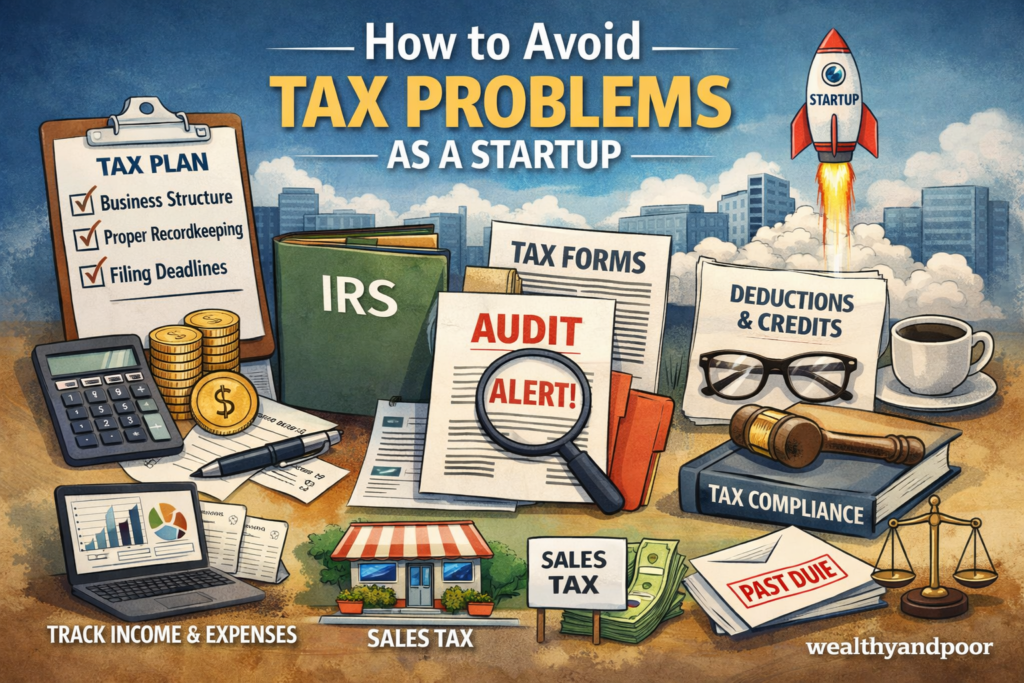

Launching a startup is an exciting journey filled with innovation, ambition, and the pursuit of growth. However, many young businesses focus heavily on product development, marketing, and funding while overlooking a critical aspect of sustainable growth tax compliance. For startups, tax issues can quickly escalate into costly penalties, regulatory scrutiny, and reputational damage if not managed properly.
In Nigeria and many other emerging markets, tax authorities are increasingly tightening compliance rules. Startups that fail to understand their obligations early often encounter avoidable problems. By adopting the right practices from the beginning, founders can reduce tax risks and build a solid financial foundation for their businesses.
This article explores practical steps startups can take to avoid tax problems and remain compliant with regulatory requirements.
Register Your Startup Properly for Tax
The first step to avoiding tax issues is ensuring that your startup is legally registered and recognized by tax authorities. In Nigeria, once a company is incorporated, it must register with the Federal Inland Revenue Service (FIRS) or the relevant State Inland Revenue Service. This process leads to the issuance of a Tax Identification Number (TIN), which is required for filing taxes and conducting official business transactions.
Without a TIN, a company cannot legally file tax returns, issue tax-compliant invoices, or obtain a Tax Clearance Certificate. Failure to register can also attract penalties and restrict business operations, particularly when dealing with investors, banks, or government contracts.
Registering early ensures that your startup operates within the legal framework from day one.
Understand the Taxes That Apply to Your Business
One of the most common mistakes startups make is assuming that all businesses pay the same taxes. In reality, the tax obligations of a startup depend on its turnover, industry, and structure.
In Nigeria, startups may be subject to several types of taxes, including:
Company Income Tax (CIT):
- 0% for companies with turnover below ₦25 million
- 20% for companies with turnover between ₦25 million and ₦100 million
- 30% for companies above ₦100 million turnover
- Value Added Tax (VAT): 7.5% on taxable goods and services.
- Pay-As-You-Earn (PAYE): tax deducted from employee salaries and remitted to state tax authorities.
- Withholding Tax (WHT): usually 5–10% on certain payments such as consultancy, rent, or dividends.
Understanding these obligations helps founders plan cash flow properly and avoid surprises during tax filing.
Keep Accurate Financial Records
Poor bookkeeping is one of the leading causes of tax problems for startups. Without clear financial records, businesses struggle to calculate their tax obligations accurately.
Startups should maintain detailed records of:
- Revenue and sales
- Operating expenses
- Payroll and employee taxes
- VAT collected and remitted
- Investor payments and dividends
Accurate accounting records also make it easier to respond to tax audits and demonstrate compliance if authorities request financial information.
Many startups benefit from adopting accounting software or hiring professional accountants early, even when the business is still small.
File Tax Returns on Time
Tax compliance is not only about paying taxes it also involves filing returns regularly.
In Nigeria, companies must:
- File Company Income Tax within 18 months of incorporation and thereafter annually.
- File VAT returns monthly, usually on or before the 21st day of the following month.
Failure to meet these deadlines attracts penalties and interest charges. For example, failure to file company income tax can lead to fines beginning at ₦25,000 for the first month and additional charges for subsequent months of default.
Setting internal reminders or working with tax professionals can help ensure deadlines are not missed.
Take Advantage of Startup Tax Incentives
Many governments provide tax incentives to encourage innovation and entrepreneurship. Nigerian startups can benefit from several relief programs if they meet certain criteria.
For example:
- Pioneer Status Incentive provides tax holidays for eligible sectors.
- Startups with low turnover may qualify for 0% company income tax.
- Certain research and development expenses may also be tax deductible.
Understanding these incentives can significantly reduce the tax burden on early-stage companies.
However, startups must apply for these programs and maintain compliance to retain the benefits.
Separate Personal and Business Finances
Many founders initially run their startups using personal bank accounts or mixed financial records. This practice often creates confusion during tax filing.
Separating personal and business finances helps:
- track business income accurately
- calculate taxes correctly
- maintain professional accounting records
- reduce the risk of tax audits
Opening a dedicated business bank account and paying business expenses through it improves transparency and financial management.
Work with Tax Professionals
Tax regulations can be complex and frequently updated. Startups that try to handle all tax matters without professional support often make costly mistakes.
Hiring a tax consultant or accountant can help startups:
- structure their finances efficiently
- identify applicable tax incentives
- ensure accurate filings
- reduce exposure to penalties
Professional guidance becomes even more important as startups scale, hire employees, and expand into new markets.
Stay Updated on Regulatory Changes
Tax laws evolve frequently, especially as governments introduce reforms to increase revenue and regulate emerging industries.
Startups should monitor updates from official agencies and regulatory bodies. Staying informed allows businesses to adjust quickly and maintain compliance.
Regular compliance reviews also help founders identify potential issues before they escalate into legal or financial problems.
Conclusion
Tax compliance is often overlooked during the early stages of a startup, yet it plays a crucial role in long-term business sustainability. Ignoring tax obligations can result in penalties, operational restrictions, and damage to investor confidence.
By registering properly, understanding applicable taxes, maintaining accurate records, filing returns on time, and seeking professional advice, startups can significantly reduce their exposure to tax problems.
Ultimately, treating tax compliance as a strategic business priority not an afterthought can help startups build credibility, attract investors, and scale successfully in competitive markets.











Comments