
How to Buy Nigerian Bank Stocks as a Beginner


Investing in Nigerian bank stocks has become one of the most practical and realistic ways for beginners to participate in the capital market and build long-term wealth. As the backbone of Nigeria’s financial system, listed banks dominate trading activities on the Nigerian Exchange (NGX) and attract both local and foreign investors due to their size, liquidity, and consistent earnings potential. From well-established Tier-1 banks like Zenith Bank, GTCO, UBA, Access Holdings, and First Bank, to emerging Tier-2 players offering growth opportunities, the banking sector provides a wide range of investment options for new investors.
For many beginners, however, the idea of buying stocks can feel confusing or intimidating. Questions around where to start, how much money is required, which platforms are legitimate, and how to avoid costly mistakes often discourage potential investors from taking the first step. This uncertainty is understandable, especially in a market where misinformation and unregulated investment schemes are common. The good news is that buying Nigerian bank stocks today is far more straightforward than it was a decade ago, thanks to improved regulation, digital trading platforms, and increased access to market information through trusted Nigerian financial news outlets.
Bank stocks represent ownership in banking companies listed on the Nigerian Exchange. When you buy a share of a bank, you become a part-owner of that institution and benefit when the company grows or declares dividends. Major Nigerian banks like GTCO, Zenith Bank, Access Bank, UBA, and First Bank are among investors’ favorites due to their size, liquidity, and history of dividend payments
Whether you are investing with small capital, aiming to earn dividends, or looking to grow your money over time, this article will equip you with the practical knowledge needed to make informed decisions and confidently enter the Nigerian stock market.
Why Bank Stocks Are Popular
- Consistent dividends: Many banks distribute profit to shareholders regularly.
- Liquidity: Bank shares are often among the most traded on NGX, making entry and exit easier.
- Market visibility: Banks are well-covered by financial news and research, helping investors make informed choices.
- Ownership of real companies: Buying shares means participating in the growth of Nigeria’s financial system.
What Is the Nigerian Exchange (NGX)?: The Nigerian Exchange (NGX) is the primary stock market where shares are traded. It brings together buyers and sellers through licensed brokers and digital platforms. When you invest in bank stocks, you are buying through this official market.
Your Digital Share Wallet (CSCS Account): All stocks in Nigeria are held electronically through the Central Securities Clearing System (CSCS) on your behalf. When you open an investment account with a broker or platform, a CSCS account is created for you — it’s your secure share storage.
Set Your Financial Goals
Before buying stocks, ask yourself:
- Why am I investing? (Income, capital growth, savings, etc.)
- How long do I plan to hold these stocks?
- What level of risk can I handle?
Setting clear goals helps you choose the right bank stocks and stay focused during market volatility. For beginners, focus on long-term growth and dividend income, rather than short-term trading.
Choose a Licensed Stockbroker or Investment Platform : In Nigeria, you cannot buy stocks directly; you must use a licensed broker or regulated investment platform that connects to the NGX. Recent developments have made investing easier, with digital platforms that require little capital and simple onboarding.
Top Platforms for Beginners
Here are some trusted options you can consider:
- Bamboo: A popular platform that lets you trade Nigerian and global stocks. Minimum funding as low as ₦5,000.
- Trove: Offers both local and US stocks, suited for investors with smaller capital.
- Chaka: Supports Nigerian stocks and global equities with real-time data.
- InvestNow and Risevest: Alternative platforms offering NGX access and research support
- i-invest by Parthian Securities: Lets you start investing with very small amounts like ₦100.
Open and Verify Your Account
Once you’ve chosen a broker or platform, follow these steps:
Most platforms required documents
- A valid government-issued ID (e.g., National ID, International Passport, Driver’s License)
- Bank Verification Number (BVN)
- A verified email and phone number
- Proof of address in some case
- KYC and CSCS Setup
Complete the KYC (Know Your Customer) process — this is standard for all financial accounts in Nigeria. After approval (usually within 24–48 hours), your account becomes active, and a CSCS account is created for you automatically.

Fund Your Investment Wallet: To buy bank stocks, you must first fund your trading account. Popular funding methods include:
- Bank transfer
- Debit/ATM card
- Mobile banking transfer
The minimum amount depends on the platform you choose. For example, some apps let you start with as little as ₦1,000 or ₦5,000, making investing accessible even with small savings.
- Check the company’s fundamentals: Look at earnings growth, profit margins, and dividend history.
- Review price trends: Historical stock performance helps you understand volatility.
- Evaluate dividend yields: Banks with consistent dividends can provide passive income.
- Follow financial news: Trustworthy sources like BusinessDay, Nairametrics, wealthyandPoor, and NGX announcements help you stay informed.
Popular bank stocks beginners should consider include GTCO, Zenith Bank, Access Bank, UBA, and First Bank due to their strong market presence and liquidity. However, always perform your own assessment before buying.
Place Your First Buy Order
Once you’ve funded your wallet and done research, it’s time to execute your first purchase:
- Steps to Buy: Search for the bank’s ticker (e.g., GTCO, ZENITH BANK)
- Choose how many shares you want to purchase Select a buy type:
- Market Order: Buys immediately at the current market price.
- Limit Order: Buys only if the stock reaches a specific price you set.
- Confirm the order and pay any fees displayed before finalizing.
After purchase, the shares will reflect in your portfolio and your CSCS account.
- Monitor and Manage Your Portfolio: Buying stocks is just the beginning — managing them wisely is what leads to growth.
Best Practices for Beginners
- Track your stocks regularly — check for earnings updates, macroeconomic changes, and dividends.
- Stay patient — markets have ups and downs; don’t panic sell during temporary price drops.
- Reinvest dividends — compound growth often beats cashing out early.
- Diversify gradually — don’t put all your money into one bank; consider other sectors over time.
Costs and Fees to Know
Investing has some costs you should plan for:
- Broker and Transaction Fees: Brokers typically charge a commission (around 1.35% or more) on trades and statutory fees that go to the exchange and regulators. Compare fee structures across platforms to minimize costs.
- Taxes: Nigeria generally doesn’t impose capital gains tax on stock trades under ₦100 million, making it tax-friendly for small and medium investors. Dividends may have withholding taxes at the source.
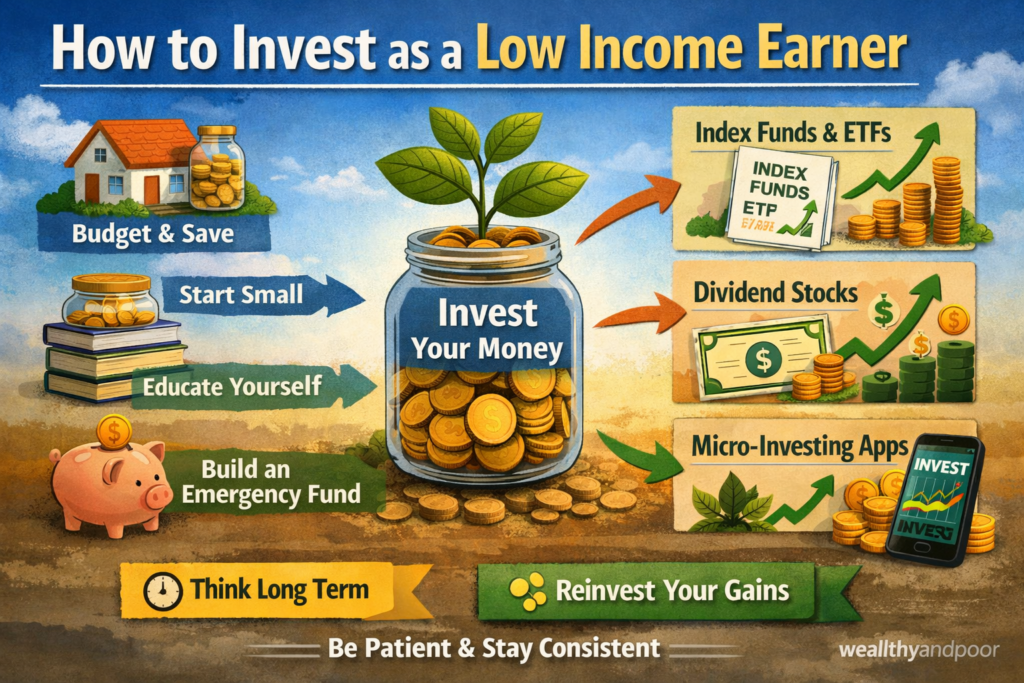
- Start small and stay consistent — you don’t need huge capital to begin.
- Learn continuously — follow stock news and NGX announcements.
- Avoid noise investment tips — social media hype can mislead beginners.
- Think long-term — stock investing is most rewarding when approached with patience and strategy.
Read Also: Beginners Guide to Nigeria Banking Stocks (NGX)
Conclusion
Buying Nigerian bank stocks as a beginner is no longer a complex or exclusive process reserved for experienced investors or financial professionals. With the growth of regulated digital investment platforms, improved market transparency, and widespread access to financial information from credible Nigerian news sources, everyday Nigerians can now participate confidently in the stock market. Bank stocks, in particular, remain a solid entry point due to their liquidity, strong regulatory oversight, and track record of profitability and dividend payments.
However, successful investing goes beyond simply buying shares. Beginners must approach the market with patience, proper research, and realistic expectations. Understanding the fundamentals of each bank, monitoring financial performance, keeping up with economic and regulatory developments, and avoiding emotionally driven decisions are essential habits for long-term success. While short-term price fluctuations are normal, consistent investors who focus on quality stocks and long-term value tend to benefit the most over time.
It is also important to remember that investing is a journey, not a one-time activity. Starting with small capital, reinvesting dividends, and gradually diversifying across banks or other sectors can significantly improve portfolio stability and returns.Nigerian bank stocks offer an opportunity to grow wealth, earn passive income, and participate in the growth of the country’s financial system.










Comments